


Deep pot choice
Use a relatively deep, heavy clay pot with a large drainage hole so the strong taproot can extend downward and the plant stays stable as the body enlarges and offsets form.

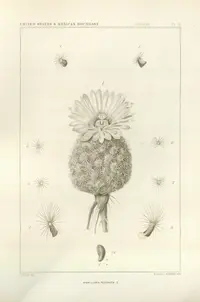
The rhinoceros cactus, Coryphantha echinus, is a small desert cactus known for its rounded, somewhat lumpy body covered with pronounced tubercles and sharp spines. Mature plants often form solitary or small clumping mounds that stay compact, making them suitable for containers and windowsills.
This species is native to arid regions of northern Mexico and the southern United States, where it grows in rocky, well-drained soils with intense sun and low rainfall. It is considered moderately easy to grow if kept in bright light, very free-draining soil, and protected from excess moisture, which guides how to care for rhinoceros cactus at home.

Care Difficulty
Easy Care

Light Preference
Full Sun

Water Requirements
Low Water

Temperature Preference
Warm Climate

Hardiness Zone
9–11

Soil Texture
Sandy, Loamy, Rocky

Soil pH
Slightly acidic (6.5–7.0), Neutral (7.0)

Soil Drainage
Well-drained

Fertilization
Minimal (feed rarely)
Scan your plant to receive care tips personalized for your specific plant
Available on iOS and Android
This small desert cactus needs strong, direct light to stay compact and healthy.
This species stores water in its stem and needs infrequent, careful watering.
This cactus favors warm, dry conditions with a distinct cool, dry rest period.
This desert cactus prefers dry indoor air and rarely suffers from low humidity.
This species needs a very fast-draining, mineral-based substrate to prevent root rot.
This small cactus is well suited to container growing when the pot supports fast drying and root stability.
Coryphantha echinus is a slow-growing cactus that benefits from light, controlled feeding during the warm growing season.
Coryphantha echinus needs minimal pruning, mainly for hygiene and safety rather than shaping.
This cactus prefers to stay slightly root-bound and only needs repotting when growth or drainage declines.
Propagation of Coryphantha echinus is usually done from seed and requires patience and stable conditions.
This desert cactus needs cool, dry winter rest and is only marginally tolerant of brief light frost.

Plant Health Check
Not sure what's wrong with your plant? Check your plant's health inside the app.
This species is naturally restricted to limestone and gypsum soils in the Chihuahuan Desert, where high calcium and alkaline conditions would stress many other cacti, but C. echinus remains well adapted and often locally abundant.
Mature plants often form low, dense clumps of many heads from a single base, a growth habit that helps stabilize them on rocky slopes and may buffer temperature extremes at the soil surface.
The dense, radiating spines of this cactus help shade the stem surface, reducing water loss and sun damage while still allowing enough light for photosynthesis in the intense desert sun.

In its native range in Texas and northern Mexico, this cactus is considered a characteristic indicator species of undisturbed Chihuahuan Desert grassland and scrub, so its presence is often used by botanists to recognize intact, relatively healthy desert habitats.
This species grows slowly, typically adding only a few millimeters of height and girth each year. Seedlings take several years to form a noticeable dome and often a decade or more to resemble mature specimens.
Keep your plants happy and healthy with plant identification, disease detection, and easy care guidance.

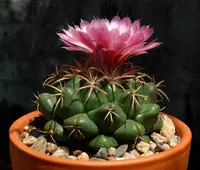
Elephant's Tooth
Coryphantha elephantidens
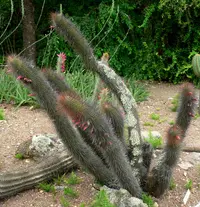
old man of the mountain
Cleistocactus buchtienii
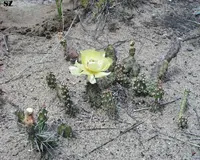
brittle pricklypear
Opuntia fragilis
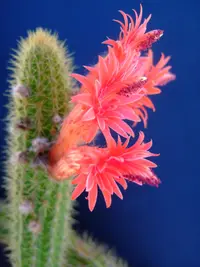
Cleistocactus samaipatanus
Cleistocactus samaipatanus
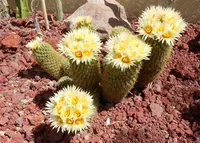
Coryphantha erecta
Coryphantha erecta
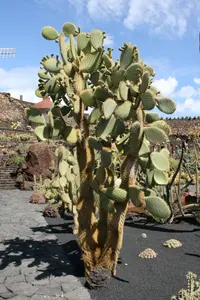
Galápagos Prickly Pear
Opuntia galapageia
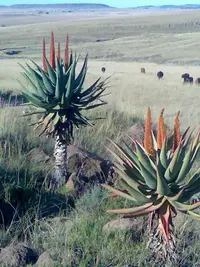
Cape aloe
Aloe ferox

kingcup cactus
Echinocereus triglochidiatus