animated oat Care (Avena sterilis)

Also known as: Sterile Oat, Tall Wild Oats
animated oat

About animated oat

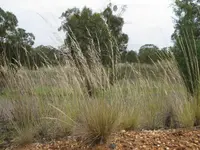
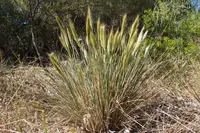
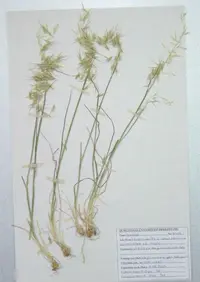
Animated oat, Avena sterilis, is an annual grass related to cultivated oats but most often found as a wild species or agricultural weed. It forms upright, slender clumps with loose, nodding seed heads that move easily in wind, giving the plant its animated look.

This species is native to the Mediterranean region but has spread widely in temperate climates, especially in disturbed soils and crop fields. It grows quickly, self-seeds readily, and tolerates poor soils, which makes it easy to establish but sometimes hard to control. In general, it prefers full sun and well-drained soil, and basic knowledge of how to care for animated oat is enough for reliable growth outdoors.

Main Plant Requirements

Care Difficulty

Easy Care

Light Preference

Full Sun

Water Requirements

Moderate Water

Temperature Preference

Cool Climate

Hardiness Zone

5–9

Soil Texture

Sandy, Loamy, Silty

Soil pH

Slightly acidic (6.5–7.0), Neutral (7.0)

Soil Drainage

Well-drained

Fertilization

Minimal (feed rarely)

Get Personalized Care Plan

Scan your plant to receive care tips personalized for your specific plant

Available on iOS and Android

How to Care for the animated oat

This annual grass prefers bright, open sites with cool to mild conditions.

  • Provide 6–8 hours of direct sun daily; morning sun with light afternoon exposure is ideal in most temperate climates.
  • Tolerates light partial shade (3–4 hours sun), but stems of animated oat may elongate and lodge if light is too low.
  • In hot summers, reduce intense afternoon sun to limit leaf scorch and premature drying, especially on thin soils, while ensuring unshaded spring light for strong early growth.

This species prefers moderately moist, well-drained soil and does not tolerate prolonged saturation.

  • Water when the top 3–5 cm of soil feel dry, aiming for evenly moist but never soggy conditions during early growth and tillering.
  • Ensure free drainage; standing water or heavy, compacted soil encourages root rot and yellowing leaves, signs of overwatering in Avena sterilis.
  • In cooler seasons and after flowering, reduce watering as plants naturally dry down; wilting with crisp, rolling leaves signals underwatering during active growth.

This cool-season annual grows best in mild conditions and declines in strong heat or severe cold.

  • Optimal growth occurs around 50–68°F (10–20°C), with vigorous tillering and root development in steadily cool weather.
  • Tolerates short drops to about 23–25°F (-5 to -4°C) once established, but hard frost below this can damage young seedlings and leaf tips.
  • Above 80–86°F (27–30°C), heat stress speeds maturation and drying; sow so main growth happens in the cooler part of the season for your region.

This annual grass tolerates a wide humidity range and rarely needs special humidity management.

  • Performs reliably in 30–60% humidity, similar to typical outdoor and indoor air.
  • Handles dry air well; humidity usually does not limit growth if watering is consistent.
  • Humidity stress is uncommon; if leaf tips brown, check soil moisture and heat rather than trying to increase humidity.

Avena sterilis prefers loose, well-drained mineral soil that does not stay wet for long.

  • Use a sandy or loamy mix, such as 2 parts general-purpose compost-based mix with 1 part coarse sand for structure.
  • Ensure very fast drainage; water should pass through within seconds and not leave the soil soggy.
  • Aim for slightly acidic to neutral pH, around 6.0–7.5, avoiding strongly acidic or saline soil.
  • Improve aeration by adding coarse sand or fine grit rather than peat-heavy materials, which compact and hold excess water.

This species can be grown in containers for short-term ornamental or experimental use.

  • Choose a pot at least 20–25 cm deep so the fibrous roots can anchor and support upright stems.
  • Select a heavier container material, such as ceramic or thick plastic, to reduce tipping as the seed heads develop.
  • Position the pot where wind exposure is moderate, since container-grown plants are less anchored and can lodge or lean more easily.

Avena sterilis grown in average garden or field soil needs only light feeding to maintain healthy growth.

  • Apply a balanced NPK fertilizer at low strength at sowing or early spring to support early vigor.
  • Use well-rotted compost or a thin layer of organic matter instead of heavy synthetic feeding on fertile soils.
  • During active growth, one light application is usually enough; avoid mid-season overfeeding that encourages weak, lush foliage.
  • Stop feeding in late summer and do not fertilize in winter, as animated oat naturally completes its life cycle and goes dormant.

Avena sterilis generally needs only minimal pruning because it is an annual grass with a simple growth cycle.

  • In late season, cut back dry or broken stems at ground level to keep the area tidy after seed set.
  • Remove any diseased or lodged (fallen) stems promptly to reduce disease spread and improve air movement.
  • Use clean, sharp shears or a scythe for larger patches to avoid shredding stems and scattering disease spores.
  • Light thinning of crowded patches can improve access to light and reduce competition, but does not reshape the plant significantly.

This species is usually direct-sown outdoors, so focus on careful transplanting of young Avena sterilis only when necessary.

  • Transplant seedlings in early spring when they have 2–3 true leaves, before roots become dense or circling in cell trays.
  • Handle root balls gently, keeping soil intact to limit root stress and post-planting shock.
  • Plant into loose, well-drained soil at the same depth as in the original container, then water thoroughly to settle roots.
  • Avoid frequent moving; treat this grass as a single-season crop and re-sow each year rather than shifting established plants.

Avena sterilis is propagated almost exclusively from seed, making sexual reproduction the standard method.

  • Sow seeds in early to mid-spring once soil is workable and temperatures are cool but above freezing.
  • Prepare a fine, firm seedbed; broadcast or drill seeds shallowly, covering with 1–2 cm of soil.
  • Maintain evenly moist soil until germination, then avoid waterlogging to prevent seedling damping-off disease.
  • Allow some plants to mature and dry so seed heads can be collected and stored cool and dry for the next season.

As a cool-season annual, Avena sterilis usually completes its life cycle before harsh winter and needs almost no special winter care.

  • In mild climates, shallow frosts are tolerated by young plants, but hard freezes can kill late seedlings.
  • For late-sown stands, a light mulch can buffer rapid temperature swings around the root zone.
  • Container-grown plants in colder regions can be moved to a cold frame or unheated shelter to reduce freezing stress.

Care Tips

Wind exposure management

Site plants where they receive regular air movement but are not exposed to constant, extreme wind, which can lodge stems; temporary windbreak netting or a low fence helps keep tall stands upright in very open fields.

Timely lodging control

If stems start to lean after heavy rain, lightly ridge soil around the plant bases or run a string along short stakes on the windward side to reduce lodging and keep seed heads off wet soil.

Targeted weed suppression

Use a shallow hoe or finger weeder in the top 1–2 cm of soil only during the early growth stages, because deeper cultivation can damage the fibrous root system and reduce tiller production.

Disease monitoring routine

Inspect leaves and seed heads every 7–10 days during cool, humid weather for early signs of rust or leaf spots and, if present, remove heavily infected plants and avoid overhead irrigation to slow disease spread.

Sequential sowing strategy

For small-scale growers, stagger sowings by 10–14 days in adjacent rows or strips so that if one batch suffers from late frost or pest damage, later cohorts still allow a successful result when growing animated oat.

Common Pests and Diseases

Leaf crown rust

This disease causes yellow to orange pustules on leaves and stems that can merge into large rusted areas and weaken plants. Symptoms include early leaf death and reduced vigor, especially under humid conditions.

Solution

Remove and destroy heavily infected plants or plant residues to reduce spore sources, and avoid overhead irrigation that keeps foliage wet. In field or large plantings, increase spacing and airflow, rotate away from other oat or cereal hosts, and select rust-resistant oat varieties when available for Avena sterilis care instructions.

Covered smut

This disease replaces grains in the panicle with dark, powdery masses of fungal spores that are often enclosed by a thin membrane. Symptoms include deformed heads and reduced or lost seed production.

Solution

Use clean, certified seed and avoid saving seed from infected stands. Treat seed with an appropriate fungicidal seed dressing before sowing and rotate with non-host crops to reduce inoculum in the soil.

Barley yellow dwarf virus

This disease leads to yellowing or reddening of leaf tips, stunted growth, and reduced tillering, especially when infection occurs early. Symptoms include poor stand density and shortened panicles with fewer grains.

Solution

Control aphid populations that transmit the virus by monitoring regularly and using targeted insecticidal soaps or selective insecticides when thresholds are reached. Sow at recommended dates to avoid peak aphid flights and remove volunteer cereals and grassy weeds that act as virus and vector reservoirs.

Cereal aphids

These insects feed on sap from leaves, stems, and panicles, causing leaf curling, yellowing, and sticky honeydew that can promote sooty mold. Heavy infestations reduce plant vigor and grain fill and can transmit viruses such as barley yellow dwarf virus.

Solution

Encourage natural predators such as lady beetles and lacewings, and use a firm water spray on small plantings to dislodge aphids from stems and panicles. For persistent or heavy infestations, apply insecticidal soap or a selective systemic insecticide, focusing on undersides of leaves and emerging panicles while avoiding treatment during peak beneficial insect activity.

Oat mildew

This disease produces white to gray, powdery fungal growth on leaves and sometimes stems, which later turns brown and can cause premature leaf senescence. Symptoms include reduced photosynthesis, weaker plants, and lower grain yield in dense, humid stands.

Solution

Improve airflow by avoiding overly dense sowing and reducing shade, and remove heavily infected foliage or plant debris after harvest. In larger plantings, use resistant varieties if available and consider a preventative foliar fungicide when mildew is regularly observed and weather favors disease (cool, humid conditions).

Interesting Facts

Shattering oat spikelets

Avena sterilis has spikelets that naturally break apart and fall from the plant when ripe, a grain-dispersal trait largely lost in domesticated oats. This shattering behavior is a classic example used in studies of cereal crop domestication.

Wild relative of oats

This species is a wild ancestor and close relative of cultivated oats, especially Avena sativa. Its genetic diversity is important for breeding programs that aim to improve disease resistance and stress tolerance in crop oats.

Problematic arable weed

In many Mediterranean-type and temperate cropping systems, Avena sterilis behaves as a competitive weed in cereal fields. It can reduce yields in wheat and barley and is closely monitored in integrated weed management research.

Botan icon

Did you know?

In Mediterranean climates, Avena sterilis often forms part of the natural annual grass flora that appears after winter rains, and its local presence and abundance are frequently used by botanists and ecologists as an indicator of long-term cereal cultivation and disturbance history in a landscape.

FAQs about animated oat

This grass establishes quickly from seed and shows noticeable growth within a few weeks in suitable spring conditions. Growth rate slows once stems elongate and seed heads form, especially under heat, drought stress, or nutrient-poor soil.

Grow Healthy Plants with Botan Care

Keep your plants happy and healthy with plant identification, disease detection, and easy care guidance.


Botan plant care app — identify plants on mobile

Explore More Plants