Chinese Hawthorn Care (Crataegus pinnatifida)

Also known as: Chinese haw, mountain hawthorn
Chinese Hawthorn

About Chinese Hawthorn

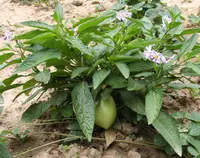
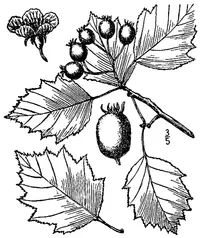
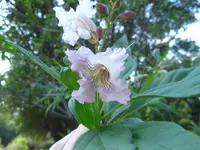
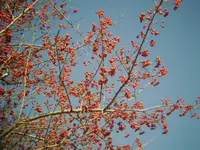
Chinese hawthorn, Crataegus pinnatifida, is a small deciduous tree or large shrub grown mainly for its white spring flowers and bright red fruit. It forms a rounded crown with thorny branches and simple, lobed leaves that color nicely in autumn.

This species is native to China and parts of East Asia, where it is used both as an ornamental tree and for its edible fruit. It is generally considered a hardy, adaptable plant that tolerates cold climates and urban conditions, so how to care for Chinese Hawthorn is usually straightforward.

It prefers full sun, moderately moist but well-drained soil, and benefits from some airflow around the canopy to reduce disease pressure.

Main Plant Requirements

Care Difficulty

Moderate Care

Light Preference

Full Sun

Water Requirements

Moderate Water

Temperature Preference

Cold Hardy

Hardiness Zone

4–7

Soil Texture

Sandy, Loamy, Clay

Soil pH

Slightly acidic (6.5–7.0), Neutral (7.0)

Soil Drainage

Moist but well-drained

Fertilization

Minimal (feed rarely)

Get Personalized Care Plan

Scan your plant to receive care tips personalized for your specific plant

Available on iOS and Android

How to Care for the Chinese Hawthorn

Crataegus pinnatifida grows best in open sites with strong natural light.

  • Provide 6–8 hours of direct sun daily; full sun promotes dense growth and good flowering and fruiting for Chinese Hawthorn.
  • Plant where it receives morning sun and can tolerate some light afternoon shade in hotter regions to reduce leaf scorch risk.
  • In cooler climates, prioritize full sun all day; in warm areas, young trees benefit from temporary shade cloth during extreme summer heat.

This species prefers evenly moist but not saturated soil, with watering guided by soil feel.

  • Allow the top 3–5 cm of soil to dry before deep watering, then soak the root zone thoroughly to encourage deep roots.
  • Reduce watering frequency in autumn and winter, especially once leaves drop, while avoiding complete soil dryness for extended periods.
  • Watch for yellowing, soft leaves or persistent wet soil as signs of overwatering, and crisp, browning leaf edges as a sign the tree is too dry; ensure well-drained ground.

This hardy tree tolerates a wide temperature range once established.

  • Optimal growth occurs around 60–75°F (16–24°C) during the active growing season, supporting steady shoot and root development.
  • Mature plants tolerate winter lows near -20°F (-29°C), but young trees benefit from mulch around the root zone to buffer freeze–thaw cycles.
  • In summer, it handles 85–95°F (29–35°C) if soil moisture is stable; prolonged heat above this with drought stress can cause leaf scorch and reduced fruit set.

This hawthorn handles a wide humidity range and rarely needs special humidity management outdoors.

  • Performs well in 30–70% humidity, matching most outdoor conditions in temperate climates.
  • Tolerates dry air if soil moisture is consistent, but prolonged wind plus low humidity can increase leaf edge browning.
  • Humidity stress appears as crispy leaf margins and premature leaf drop; windbreaks or nearby planting can slightly raise local humidity.

Crataegus pinnatifida grows best in moderately fertile, well-drained, moisture-retentive soil.

  • Aim for a loamy structure that combines mineral soil with organic matter so roots get both moisture and air.
  • Use a mix such as 50–60% garden loam, 20–30% compost, and 10–20% coarse sand or fine grit to improve drainage.
  • Target a slightly acidic to neutral pH around 6.0–7.0; avoid strongly acidic or saline soils that restrict nutrient uptake.
  • Avoid compacted clay or spots where water stands after rain; incorporate grit and organic matter to increase aeration and reduce waterlogging risk.

This species can be grown in containers when young or kept small with pruning.

  • Choose a deep, heavy pot to anchor the woody root system and prevent tipping in strong wind as the canopy enlarges.
  • Use a free-draining, loam-based mix rather than pure compost to support stable moisture and long-term structure.
  • Raise the container on feet or bricks so drainage holes stay clear and excess water leaves quickly after rain or watering.

Crataegus pinnatifida grows well in reasonably fertile soil and benefits from moderate, targeted feeding in containers or poorer ground.

  • Use a balanced slow-release fertilizer (for example 10-10-10) or well-rotted compost in early spring as growth begins.
  • Feed container-grown Chinese Hawthorn every 4–6 weeks in spring–summer with a half-strength balanced liquid fertilizer.
  • Avoid overfeeding; excess nitrogen encourages soft, pest-prone growth at the expense of flowers and fruit.
  • Stop fertilizing in late summer so shoots harden before winter and avoid feeding during winter dormancy.

Pruning Crataegus pinnatifida is mainly done to maintain a healthy framework and encourage good flowering and fruiting.

  • Carry out structural pruning in late winter to very early spring, before bud break.
  • Remove dead, diseased, or crossing branches first, then thin congested interior shoots to improve light and airflow.
  • Shorten or remove awkward, overly long shoots to refine shape while keeping the natural outline of the tree.
  • Use sharp bypass pruners or a clean pruning saw, making smooth cuts just outside the branch collar.

This hawthorn is usually grown in the ground, so transplanting young trees correctly is more important than frequent repotting.

  • Transplant in late fall or very early spring while the plant is dormant to limit shock.
  • Look for circling roots, a pot-bound root ball, or stalled growth as signs a container plant needs a larger pot.
  • When moving, keep as much of the root ball intact as possible and water the root zone thoroughly before and after planting.
  • Set the plant at the same soil level as before, firm soil gently, water deeply, then mulch to conserve moisture and reduce stress.

Crataegus pinnatifida is usually propagated from seed, with grafting used in orchards for more uniform fruiting trees.

  • Collect ripe fruits in fall, clean off pulp, and sow seeds in a free-draining medium outdoors for natural cold stratification.
  • Expect slow, staggered germination; some seeds may take 1–2 years to sprout after winter chilling.
  • Semi-hardwood cuttings in midsummer can root under high humidity and bottom warmth, but success rates are often modest.
  • Grafted plants use compatible hawthorn rootstocks; this method is best left to experienced growers or specialized nurseries.

This hawthorn is cold hardy in most temperate regions and usually needs only minimal winter attention in the ground.

  • In late fall, apply a 5–8 cm mulch layer around the root zone, keeping it slightly away from the trunk to limit rot.
  • For young or newly planted trees in colder areas, use burlap windbreaks to reduce drying winter winds.
  • Move container-grown plants to a sheltered, unheated but frost-free or slightly protected spot to prevent rootball freezing and thawing cycles.

Care Tips

Wind‑firm training

In the first 2–3 years, gradually reduce staking and lightly prune long, whippy shoots to encourage a strong, tapered trunk that can withstand wind without snapping.

Rootstock sucker control

Inspect the base and root zone 2–3 times per year and remove any vigorous shoots arising from below the graft union at ground level, cutting them cleanly flush with the origin so they do not outcompete the desired canopy.

Blossom and fruit thinning

In heavy flowering years, remove some flower clusters or developing fruit so that remaining fruits size up better and branches are not overloaded and prone to breakage.

Sanitation for rust diseases

To limit common rust and leaf-spot issues, promptly collect and discard fallen leaves and mummified fruits in autumn so pathogen spores do not overwinter around the tree.

Wildlife and thorn safety

When planning access routes, avoid placing paths or play areas directly under the canopy and use long-handled tools and thick gloves during pruning to minimize injury from the sharp thorns while caring for Chinese Hawthorn.

Common Pests and Diseases

Hawthorn leaf blight

This disease causes brown to black spots on leaves that often expand into large blotches, leading to premature leaf drop and sparse foliage. Symptoms include thinning canopies and reduced vigor, especially in warm, wet weather.

Solution

Remove and discard heavily spotted or fallen leaves to reduce the source of infection, and keep the area under the tree clean. Improve air circulation by careful pruning, avoid overhead watering, and if the tree has a history of severe infection, consider a preventive spray with a labeled copper or chlorothalonil fungicide at bud break and early leaf expansion, following local regulations.

Fire blight

This disease leads to sudden blackening and shriveling of blossoms and young shoots, which often look scorched and may bend into a characteristic shepherd’s crook. Infections can spread along branches, causing cankers and dieback, especially in warm, humid spring conditions.

Solution

Prune out infected shoots and branches during dry weather, cutting at least 20–30 cm below visible symptoms, and disinfect pruning tools between cuts with 70% alcohol or a 10% bleach solution. Avoid high-nitrogen fertilization and overhead irrigation that promote lush, susceptible growth, and in regions with recurrent fire blight, consult local extension guidance on timing of approved blossom-protectant sprays for Crataegus pinnatifida care instructions.

Hawthorn leaf miner

These insects create pale, winding or blotchy tunnels inside leaves as larvae feed between the leaf surfaces. Symptoms include distorted, discolored foliage and early leaf drop when populations are high.

Solution

Prune and dispose of heavily infested leaves in late spring to remove many developing larvae before they pupate. Encourage or conserve natural predators such as birds and parasitic wasps, and if damage is severe and recurrent, use a targeted systemic insecticide or horticultural oil timed to adult emergence, following label directions and local guidelines.

Aphids

These insects gather on young shoots and leaf undersides, sucking sap and causing curling, distortion, and sticky honeydew that can attract sooty mold. Heavy infestations may weaken new growth and reduce flowering and fruit set.

Solution

Spray affected shoots with a strong stream of water to knock off colonies, then follow with horticultural soap or neem oil, ensuring good coverage of leaf undersides. Promote beneficial insects such as lady beetles and lacewings by avoiding broad-spectrum insecticides, and prune out heavily infested soft tips if practical.

Hawthorn rust

This disease produces bright orange to rust-colored spots on hawthorn leaves and sometimes fruit, while also involving nearby junipers as alternate hosts. Symptoms include leaf spotting, premature leaf drop, and reduced ornamental and fruit quality.

Solution

Remove and discard infected leaves and fruit to lower spore levels, and avoid planting susceptible junipers near hawthorn if rust has been a problem. Improve air flow through sensible pruning, and where rust is chronic and severe, consider a labeled preventive fungicide in early spring at bud break, coordinated with local extension recommendations for timing and product choice.

Interesting Facts

Staple for Chinese snacks

The fruits of this species are a key ingredient in traditional northern Chinese street foods such as tanghulu (candied skewered fruits) and haw flakes, valued for their firm texture and strong tart flavor that holds up well during cooking and candying.

Adapted to cold climates

This hawthorn tolerates cold temperate winters and is widely grown in northern China and similar climates, where it withstands frost and low winter temperatures better than many other fruiting ornamental trees.

Distinctive deeply cut leaves

Unlike many other hawthorns, this species has large, deeply lobed, pinnatifid leaves that give the canopy a lighter, more textured appearance and help distinguish it easily from related Crataegus species.

Botan icon

Did you know?

This species has been selectively bred in China for larger, more uniform fruits, resulting in named fruit cultivars that are grown in orchards much like apples and used both fresh and processed in jams, wines, and preserved products.

FAQs about Chinese Hawthorn

Lack of flowers usually comes from insufficient sun, heavy pruning of young wood, or excess nitrogen fertilizer. Mature trees bloom more reliably. Check light exposure, avoid hard spring pruning, and use balanced fertilizer to improve flowering.

Grow Healthy Plants with Botan Care

Keep your plants happy and healthy with plant identification, disease detection, and easy care guidance.

Botan plant care app — identify plants on mobile

Explore More Plants