Stabilize Heavy Pads
As pads elongate and become top-heavy, anchor the main trunk with a sturdy stake or rock support to prevent wind snap or the plant toppling under its own weight.

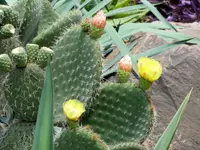
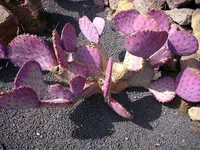
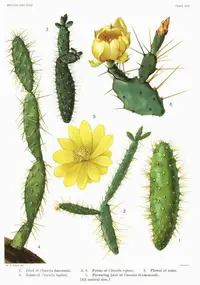
Opuntia leucotricha, commonly called arborescent pricklypear, is a tree-forming cactus with upright woody stems topped by flattened, oval pads. Older plants can develop a small, branching trunk and form a loose, sculptural canopy. The pads are blue‑green and covered in short, pale bristles that can detach easily.
This species is native to arid and semi-arid regions of Mexico, where it grows in rocky, well-drained habitats. It is considered relatively easy to grow when kept dry, bright, and in sharply draining soil. For anyone learning how to care for arborescent pricklypear, its drought tolerance and slow growth make it suitable for low-maintenance cactus collections.

Care Difficulty
Easy Care

Light Preference
Full Sun

Water Requirements
Low Water

Temperature Preference
Warm Climate

Hardiness Zone
9–11

Soil Texture
Sandy, Loamy, Rocky

Soil pH
Slightly acidic (6.5–7.0), Slightly alkaline (7.0–7.5)

Soil Drainage
Well-drained

Fertilization
Minimal (feed rarely)
Scan your plant to receive care tips personalized for your specific plant
Available on iOS and Android
This cactus thrives in strong sun and needs high light levels to maintain compact, healthy pads.
This drought-tolerant cactus needs infrequent, careful watering to avoid root rot.
This cactus prefers warm, dry conditions and tolerates significant heat if soil drains well.
This cactus tolerates a wide humidity range and rarely needs special humidity management indoors.
Use a very fast-draining, mineral-heavy mix to prevent root and stem rot.
This species is well suited to container growing when the pot is stable and drains extremely fast.
This cactus needs only light feeding, as arborescent pricklypear is adapted to nutrient-poor soils.
Pruning Opuntia leucotricha is mainly for safety, shape control, and removing damaged pads.
Container-grown plants and young landscape specimens need occasional transplanting to avoid root stress.
New plants are most often produced from stem pads rather than from seeds.
This cactus prefers mild, dry winters and suffers in prolonged hard freezes.

Plant Health Check
Not sure what's wrong with your plant? Check your plant's health inside the app.
This species develops a true arborescent, or tree‑like, structure with a woody trunk and branching pads that can form a small cactus tree several meters tall in its native Mexican habitats.
Its pads are covered with long, silky white hairs that reduce sun exposure and water loss, an adaptation to high light and dry conditions in its rocky home range.
In the wild it often grows on steep, rocky limestone slopes and cliffs in central and northeastern Mexico, rooting in shallow crevices where many other plants cannot survive.

In parts of Mexico this species is cultivated as a living fence and windbreak, using its tall, branched, spiny structure to mark boundaries and protect fields while also providing edible fruits and young pads.
This species performs best outdoors in full sun and excellent drainage, forming a small tree over time. It can stay indoors short term in very bright light, but long-term arborescent pricklypear indoor care is challenging.
Keep your plants happy and healthy with plant identification, disease detection, and easy care guidance.