Caucasian stonecrop Care (Phedimus spurius)

Also known as: false stonecrop
Caucasian stonecrop

About Caucasian stonecrop

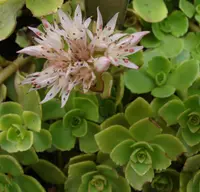
Caucasian stonecrop (Phedimus spurius) is a low, mat-forming succulent perennial grown mainly as a groundcover. It has fleshy leaves and star-shaped flowers that often attract pollinators.

In nature it occurs in rocky, well-drained habitats of the Caucasus region and nearby areas, where it copes with poor soils and temperature swings. Its drought tolerance and modest nutrient needs make it a relatively low-maintenance choice.

Gardeners care for Caucasian stonecrop in borders, rock gardens, and containers, where it slowly spreads but usually stays manageable. It prefers plenty of light, good drainage, and only occasional moisture once established.

Main Plant Requirements

Care Difficulty

Easy Care

Light Preference

Full Sun

Water Requirements

Low Water

Temperature Preference

Cold Hardy

Hardiness Zone

3–9

Soil Texture

Sandy, Loamy, Rocky

Soil pH

Slightly acidic (6.5–7.0), Slightly alkaline (7.0–7.5)

Soil Drainage

Well-drained

Fertilization

Minimal (feed rarely)

Get Personalized Care Plan

Scan your plant to receive care tips personalized for your specific plant

Available on iOS and Android

How to Care for the Caucasian stonecrop

Phedimus spurius thrives in bright conditions with several hours of direct sun for dense, colorful growth.

  • Provide 4–6 hours of direct sun daily, ideally morning sun with light afternoon shade, which supports compact growth and strong leaf color in Caucasian stonecrop.
  • In hotter climates, protect from harsh afternoon sun with partial shade or filtered light to reduce leaf scorch and drying of shallow roots.
  • In cooler regions, choose a full-sun spot; in summer, monitor for bleaching or crispy leaf edges, which indicate too much intense light.

This drought-tolerant succulent prefers infrequent, deep watering rather than frequent light applications.

  • Allow the top 3–5 cm of soil to dry fully before watering, then soak the root zone and let excess water drain away completely.
  • Use gritty, fast-draining soil to prevent root rot; soggy soil, yellowing leaves, or a mushy base signal overwatering in Phedimus spurius.
  • During hot, dry periods, expect to water more often; in cool or rainy seasons, reduce watering and rely mainly on natural rainfall if drainage is good.

This hardy groundcover tolerates a wide temperature range but grows best in moderate conditions.

  • Optimal active growth occurs around 60–75°F (16–24°C), with strong performance in typical spring and early summer conditions.
  • Mature plants usually survive down to about -20°F (-29°C) in well-drained soil, though foliage may die back and regrow from the crown.
  • In summer, plants tolerate 85–95°F (29–35°C) if soil is not waterlogged; light mulch and some afternoon shade help reduce heat stress and wilting.

This species tolerates a wide humidity range and rarely needs special humidity management.

This succulent groundcover needs fast-draining, mineral-rich soil to prevent root rot.

  • Use a sandy or gritty mix, such as 50–70% coarse sand or grit blended with regular potting mix or loam.
  • Aim for slightly acidic to neutral pH around 6.0–7.0, avoiding strongly acidic or alkaline substrates.
  • Improve aeration by adding perlite or pumice instead of peat-heavy products that compact and hold excess water.
  • Avoid dense clay, poorly drained beds, or spots where water puddles after rain, as Phedimus spurius is highly rot-prone there.

This species suits containers and shallow troughs when drainage is managed carefully.

  • Choose a low, wide pot that gives room for spreading stems while keeping the shallow root zone close to the surface.
  • Select unglazed terracotta if outdoor rainfall is frequent, as it speeds evaporation and reduces prolonged wetness.
  • Elevate the container slightly on pot feet or bricks so drainage holes stay clear and water cannot pool under the base.

Phedimus spurius is a low‑nutrient succulent groundcover that benefits from only light, infrequent feeding in containers or poor soils.

  • Use a balanced, dilute liquid fertilizer (for example 10‑10‑10) at 1/4–1/2 strength for Caucasian stonecrop in spring and early summer.
  • Apply every 4–6 weeks during active growth if soil is very lean or plant is in a pot.
  • Avoid high‑nitrogen products that cause weak, floppy growth and reduced drought tolerance.
  • Stop feeding in late summer; do not fertilize during fall and winter dormancy.

Phedimus spurius responds well to light, targeted pruning that keeps mats dense and flowering well.

  • Best time is early spring or immediately after main flowering flush in late spring to early summer.
  • Shear back spent flower stems and leggy, sparse patches to encourage tighter new growth.
  • Remove dead, damaged, or crowded stems by hand or with clean, sharp scissors or snips.
  • Lightly trim edges of groundcover to contain spread along paths or borders.

This species is usually grown as a groundcover, so transplanting in the garden is more common than container repotting.

  • Transplant in early spring or early fall, when temperatures are mild and soil is workable.
  • Move plants when clumps outgrow their space, centers thin out, or growth slows despite good light.
  • Lift clumps with a trowel, tease apart gently, and replant divisions at the same depth in well‑drained soil.
  • Water lightly after transplanting, then allow soil to dry between waterings to limit root stress and rot.

Phedimus spurius is commonly propagated to expand groundcover areas or share plants.

  • Use stem cuttings in late spring to summer; place 5–8 cm non‑flowering tips on gritty, barely moist mix until rooted.
  • Divide established clumps in early spring or fall, replanting healthy sections with firm roots.
  • For layering, pin flexible stems onto soil so nodes contact the surface, then sever once new roots form.
  • Seed propagation is possible in trays of well‑drained mix, kept lightly moist and bright, but is slower and less uniform.

This hardy perennial usually needs minimal winter care in open ground in temperate climates.

  • Plants tolerate freezing and snow once established, with top growth often dying back naturally.
  • In very cold or exposed sites, add a thin mulch layer (2–3 cm) of gravel or coarse bark around crowns.
  • Container plants are more vulnerable; move pots to a sheltered, unheated area to avoid repeated freeze‑thaw cycles.

Care Tips

Encourage Dense Mats

Lightly pinch back the soft tips of long runners in spring to early summer to encourage side shoots and denser groundcover rather than long, sparse stems.

Control Spread Edges

Install a shallow edging strip (5–8 cm deep) or set pots into the soil at the boundary of beds if you want to limit this plant’s spread into lawns or neighboring plantings.

Use Gravel Mulch

Apply a 1–2 cm layer of coarse grit or small gravel around the crowns to reduce rot risk, keep foliage clean, and improve winter survival in wet climates.

Revive Patchy Areas

If older mats become bare in the center, lift healthy outer sections in early spring, divide into smaller clumps, and replant them to quickly re-cover open soil when growing Caucasian stonecrop.

Protect From Winter Heave

In colder regions prone to freeze–thaw cycles, gently firm plants back into the soil in late winter and top up the surrounding grit layer to prevent roots from being exposed by frost heave.

Common Pests and Diseases

Aphids

This pest feeds on tender new growth, causing curling, distortion, and sticky honeydew deposits that can attract sooty mold. Infestations are most common on young stems and flower buds of creeping mats.

Solution

Spray infested areas with a strong stream of water to dislodge insects, then treat remaining colonies with insecticidal soap or a ready-to-use neem oil spray, repeating weekly until controlled. Encourage natural predators such as lady beetles outdoors and avoid high-nitrogen fertilizer, which promotes soft, aphid-prone growth when growing Caucasian stonecrop in beds or rock gardens.

Mealybugs

These insects appear as white, cottony clusters in stem joints and on the underside of leaves, sucking sap and weakening plants over time. Symptoms include stunted growth and sticky residue.

Solution

Isolate affected containers, then dab visible mealybugs with cotton swabs dipped in 70% isopropyl alcohol and repeat weekly until no new insects appear. For larger plantings, apply insecticidal soap or neem oil to all plant surfaces in the cool part of the day and improve spacing and airflow to reduce reinfestation.

Spider mites

This pest is more common in hot, dry conditions and causes fine stippling, dull foliage, and delicate webbing between stems and leaves. Symptoms include overall loss of vigor and patchy discoloration in the mat.

Solution

Rinse plants thoroughly with water to knock mites off and increase humidity slightly around container-grown plants while keeping soil on the dry side. Follow with insecticidal soap or a horticultural oil labeled for mites, making sure to coat the underside of leaves, and repeat every 7–10 days until no webbing or new damage appears.

Powdery mildew

This disease produces a white, powdery coating on leaves and stems, especially in humid conditions with poor airflow. Symptoms include distorted foliage and gradual weakening of dense groundcover patches.

Solution

Remove and discard heavily affected plant parts, then thin crowded sections to improve light and air movement through the mat. Avoid overhead watering, water in the morning at soil level, and if needed apply a sulfur or potassium bicarbonate fungicide labeled for powdery mildew according to package directions.

Leaf spot

This disease causes small brown to black spots on leaves that may merge into larger blotches, leading to premature leaf drop in stressed or crowded plantings. Symptoms include thinning patches and reduced ornamental value of the foliage carpet.

Solution

Cut back and discard affected foliage, clean up fallen leaves from around the plants, and improve spacing and airflow. Water at the base in the morning, avoid wetting leaves, and if spots continue to spread use a copper-based or other labeled ornamental foliar fungicide as a short-term measure while cultural conditions are corrected.

Interesting Facts

Cold-tolerant succulent mat

This Caucasian stonecrop forms dense, low mats of fleshy leaves yet survives winters down to well below freezing, unlike many tender succulents from warmer regions.

Color-shifting foliage

Its leaves can shift from green to bronze, red, or purplish tones under strong sun, cool temperatures, or drought, due to increased production of protective pigments called anthocyanins.

Soil-stabilizing groundcover

The creeping stems root easily at the nodes, allowing this plant to knit together loose, shallow soils and slopes, which helps reduce small-scale erosion in rock gardens and similar sites.

Botan icon

Did you know?

In parts of its native range in the Caucasus and adjacent areas, this species naturally occupies rocky outcrops and thin mountain soils where few broadleaf plants can persist long term, giving it a competitive advantage in extremely shallow, nutrient-poor substrates.

FAQs about Caucasian stonecrop

This species forms low, slowly spreading mats through short, branching stems. It fills gaps between stones or in borders but is usually not aggressive. Division or edging every few years keeps it neatly contained.

Grow Healthy Plants with Botan Care

Keep your plants happy and healthy with plant identification, disease detection, and easy care guidance.

Botan plant care app — identify plants on mobile

Explore More Plants