Keeled Oxtongue Care (Gasteria carinata)

Keeled Oxtongue

About Keeled Oxtongue

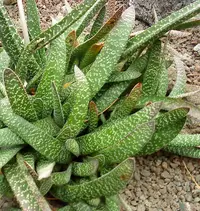
Keeled oxtongue, Gasteria carinata, is a small, slow-growing succulent from South Africa. It forms low rosettes of thick, tongue-shaped leaves with a distinct keel along the underside. Leaf surfaces are usually mottled or spotted, giving the plant a textured, sculptural look suited to containers and small indoor displays.

This species tolerates dry indoor air and irregular watering, which makes it forgiving for beginners. It prefers bright, indirect light and a freely draining, gritty soil mix. With its compact size and drought tolerance, it is generally simple to care for Keeled Oxtongue in typical home conditions.

Main Plant Requirements

Care Difficulty

Easy Care

Light Preference

Bright Indirect Light

Water Requirements

Low Water

Temperature Preference

Tropical / Frost Sensitive

Hardiness Zone

10–11

Soil Texture

Sandy, Loamy, Rocky

Soil pH

Slightly acidic (6.5–7.0), Neutral (7.0)

Soil Drainage

Well-drained

Fertilization

Minimal (feed rarely)

Get Personalized Care Plan

Scan your plant to receive care tips personalized for your specific plant

Available on iOS and Android

How to Care for the Keeled Oxtongue

This succulent prefers bright, indirect light with some protection from intense midday sun.

  • Provide 4–6 hours of bright, filtered light daily; morning sun with afternoon shade suits Gasteria carinata well, especially in hotter regions.
  • Allow light dappled shade outdoors or an east- or north-facing exposure; the plant tolerates partial shade but grows slower in very low light.
  • Watch leaves for stress: bleached, rough, or brown patches indicate too much direct sun, while stretched, floppy growth signals insufficient light, especially in winter.

Watering should mimic a dry, rocky habitat with thorough but infrequent moisture.

  • Let the top 3–5 cm of soil dry completely before watering; in active growth, this often means watering only when leaves just begin to feel slightly less firm.
  • Use a very free-draining, gritty mix so water runs through quickly; never allow the root zone to stand in water to avoid rot in Gasteria carinata.
  • Reduce watering sharply in winter, giving only light sips when the soil is dry and leaves start to wrinkle, and watch for yellow, mushy leaves as a sign of overwatering.

This species prefers moderate warmth and avoids both hard frost and extreme heat.

  • Aim for 65–80°F (18–27°C) for steady growth, providing bright light and good air movement during these temperatures.
  • Protect from cold below 40°F (4°C); brief dips to 35°F (2°C) may be survived if the soil is dry, but repeated exposure increases rot and tissue damage.
  • In summer heat above 90°F (32°C), move plants to shade with strong airflow and slightly earlier watering to offset stress, while keeping nights cooler when possible.

Humidity is rarely a concern for this succulent indoors or outdoors.

  • Aim for 30–50% humidity, similar to most heated or air-conditioned homes.
  • Plant tolerates very dry air, but soft, swollen leaves or pale new growth can indicate excess humidity and poor airflow.
  • If air is extremely dry and tips shrivel, place the Keeled Oxtongue near other plants or on a pebble tray without wetting the leaves.

This species needs a fast-draining, airy mix that dries quickly between waterings.

  • Use a gritty, sandy mix, such as 50–70% mineral components (pumice, coarse perlite, or gritty sand) with 30–50% cactus potting mix.
  • Ensure water drains through in seconds and the mix feels loose, not compact or sticky after watering.
  • A slightly acidic to neutral pH around 6.0–7.0 suits Gasteria carinata in most tap-water conditions.
  • Avoid dense peat, clay-heavy garden soil, or mixes that stay wet for more than 3–4 days, which promotes root rot.

This compact succulent is very suitable for container growing.

  • Choose a pot only 2–3 cm wider than the root ball to prevent excess unused wet mix around the roots.
  • Select a heavier clay or ceramic pot if the rosette leans or offsets heavily, to keep the container stable.
  • Elevate the pot slightly on feet or mesh so drainage holes clear the saucer and water can escape freely.

This slow-growing succulent benefits from light feeding but tolerates lean conditions, so use fertilizer sparingly when caring for Keeled Oxtongue.

  • Apply a balanced liquid fertilizer (e.g., 10-10-10 or 20-20-20) diluted to 25–50% strength during spring and summer.
  • Feed every 4–6 weeks while actively growing; skip applications if growth is already robust.
  • Stop feeding in fall and winter when growth slows, to prevent soft, weak tissues.
  • Avoid compost-rich or heavy organic mixes that stay wet, as they increase root rot risk.

Gasteria carinata needs minimal pruning, mainly for cleanliness and to manage clump shape.

  • In late spring or early summer, remove dead, shriveled, or damaged leaves at the base with clean, sharp scissors or pruners.
  • Trim spent flower stalks close to the rosette once they dry, directing energy back into root and leaf growth.
  • Thin out crowded offsets only if the clump becomes overly dense or unbalanced in its container.
  • Always disinfect tools before and after use to reduce transmission of fungal or bacterial diseases.

This compact succulent prefers slightly tight pots and only needs infrequent repotting.

  • Repot every 3–4 years or when roots circle the pot, growth slows, or the plant becomes top-heavy.
  • Plan repotting for late spring, using a shallow container with drainage and a gritty cactus-succulent mix.
  • Gently tease apart the root ball, removing old, soggy soil and trimming dead roots with sterile scissors.
  • After repotting, keep soil barely moist for 7–10 days and place in bright, indirect light to limit transplant shock.

This species is commonly propagated from offsets, making expansion of a small Gasteria carinata collection straightforward.

  • Divide offsets in late spring or early summer when they have several leaves and a visible root base.
  • Gently separate pups from the mother plant, keeping as many roots attached as possible.
  • Allow cut or broken surfaces to dry and callus for 1–3 days to reduce rot risk.
  • Plant offsets in a dry, well-drained succulent mix and water lightly once roots begin to anchor.

This succulent is frost-tender and needs protection from freezing temperatures in regions with cold winters.

  • Keep plants above 40°F; in USDA zones below 10, grow in containers for easy indoor wintering.
  • Move pots indoors before frost and place in bright, indirect light with good air circulation.
  • Water sparingly in winter, allowing the mix to dry almost completely between light waterings.
  • Avoid cold, wet soil, which greatly increases the risk of root and crown rot.

Care Tips

Rotate For Symmetry

Turn the pot 90° every 2–3 weeks so the rosette develops evenly and leaves do not lean permanently toward the light source.

Leaf Propagation Hygiene

When taking leaf cuttings, let the base callus for 3–5 days, then place on barely moist, sterile succulent mix to reduce rot and fungal problems during rooting.

Compact Pot Strategy

Use a shallow, only slightly oversized pot to keep the root zone dense and stable, which helps prevent the heavy leaf fan from tipping and reduces the risk of overwatering pockets.

Controlled Summer Move

If moving the plant outdoors in warm weather, harden it off over 10–14 days under bright shade to avoid leaf scorch, then bring it back indoors before nights drop below 50°F.

Prevent Salt Build-Up

Every 2–3 months, slowly flush the potting mix with plain water until it drains freely, then dry thoroughly, which helps remove excess fertilizer salts that can burn the thick roots when growing Keeled Oxtongue.

Common Pests and Diseases

Aloe mite

This pest causes bumpy, wart-like galls and distorted leaf tissue, often starting along leaf edges or tips. Symptoms include thickened, corky growths that do not rub off and may spread slowly across the rosette.

Solution

Isolate the plant, then remove and discard all affected leaves well below the damaged tissue with a sterile blade. Disinfect tools after cutting, improve light and airflow, and if new growth still shows galls, consider discarding the plant to prevent spread to other succulents rather than trying to salvage a heavily infested specimen.

Mealybugs

These insects appear as small white cottony clusters in leaf bases, on roots, and under the rosette, often causing stunted growth and sticky honeydew. This pest can hide deep in the tight leaf axils that are typical for this species.

Solution

Quarantine the plant, then dab visible insects with cotton swabs dipped in 70% isopropyl alcohol and rinse the plant gently after treatment. Repeat every 7–10 days until no new insects appear, and for severe infestations unpot the plant, wash roots, remove old soil, and repot into fresh, fast-draining mix while keeping the plant slightly drier for a short period.

Soft rot (bacterial)

This disease causes sudden, mushy, water-soaked tissue, typically starting at the base of the rosette or in damaged areas, often with a foul smell. Symptoms include rapid collapse of leaves even though the soil may not be very wet.

Solution

Remove the plant from its pot, cut away all soft, discolored tissue back to firm, healthy material using sterile tools, and allow the remaining healthy parts to dry several days in bright shade before replanting. After replanting in a very free-draining mix, water sparingly, avoid splashing water into the rosette, and increase airflow around the plant to reduce future bacterial spread.

Leaf spot (fungal)

This disease produces small brown to black spots on leaves, sometimes with a yellow halo, which can merge into larger blotches in humid or stagnant air. Symptoms include cosmetic scarring that can persist even after the disease is controlled.

Solution

Remove and discard heavily spotted leaves, keep foliage dry, and improve light and air circulation around the plant. Allow soil to dry well between waterings, then if new spots continue to appear, use a sulfur or copper-based fungicide labeled for succulents applied lightly and according to label directions.

Scale insects

These insects look like small, flat or dome-shaped brown or gray bumps on leaves and stems that do not move when touched. This pest feeds on sap, leading to yellowing patches, weakened growth, and sometimes sticky honeydew on nearby surfaces.

Solution

Gently scrape individual scale insects off with a fingernail or soft tool, or wipe leaves with a cloth lightly moistened with 70% isopropyl alcohol, paying attention to leaf bases and undersides. Repeat inspections weekly for several weeks, and if populations persist, apply a light horticultural oil spray labeled safe for succulents, using it sparingly to avoid coating the leaves too heavily.

Interesting Facts

Natural cliff specialist

In the wild, this species often grows on rocky sandstone cliffs and steep, well-drained slopes in South Africa’s Western Cape, anchoring itself in shallow crevices where few other succulents can persist.

Distinct keel and teeth

The leaves develop a pronounced keel along the underside and small, rough tooth-like tubercles on the surface, features that help reduce water loss and protect the plant from grazing.

Winter rainfall adaptation

It is adapted to a winter-rainfall climate, with most growth in the cooler, wetter months and a natural tendency to slow down during the hot, dry summer period.

Botan icon

Did you know?

This species produces elongated, tubular flowers arranged on a slender, arching inflorescence that is pollinated primarily by sunbirds in its native range, an example of bird-pollination syndrome in South African succulents.

FAQs about Keeled Oxtongue

Blooming is often reduced by low light, very small or shallow pots, or heavy feeding with high-nitrogen fertilizer. Cooler, bright conditions in late winter, a stable root system, and a brief dry rest period usually support flower production.

Grow Healthy Plants with Botan Care

Keep your plants happy and healthy with plant identification, disease detection, and easy care guidance.

Botan plant care app — identify plants on mobile

Explore More Plants