Sweet scented Lycaste Care (Lycaste aromatica)

Sweet scented Lycaste

About Sweet scented Lycaste

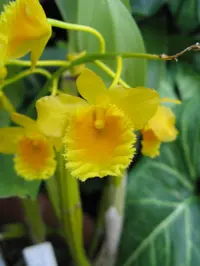
Sweet scented Lycaste, Lycaste aromatica, is a deciduous orchid species valued for its strong, spicy fragrance and compact growth. It forms pseudobulbs that lose their leaves in the dry season, then produce vivid yellow, star-shaped flowers.

This orchid is native to montane forests of Mexico and Central America, where it grows as an epiphyte or lithophyte on trees and rocks. Its seasonal growth cycle and need for a defined dry rest make it slightly more demanding than common houseplants.

Those who learn how to care for Sweet scented Lycaste appreciate its predictable rhythm: leafy growth in the wet season, followed by leaf drop and a rest period. It prefers bright, indirect light, good air movement, and a very free-draining orchid substrate.

Main Plant Requirements

Care Difficulty

Moderate Care

Light Preference

Partial Shade

Water Requirements

Moderate Water

Temperature Preference

Tropical / Frost Sensitive

Hardiness Zone

11–12

Soil Texture

Peaty, Organic-rich, Loamy

Soil pH

Acidic (5.5–6.5)

Soil Drainage

Moist but well-drained

Fertilization

Moderate (every 2–4 weeks)

Get Personalized Care Plan

Scan your plant to receive care tips personalized for your specific plant

Available on iOS and Android

How to Care for the Sweet scented Lycaste

This orchid prefers bright, filtered light with protection from harsh midday sun.

  • Provide 4–6 hours of bright, indirect light daily, such as dappled shade under trees or morning sun with afternoon shade.
  • Tolerates light partial shade, but flowering of Sweet scented Lycaste decreases if grown in deep shade or under dense canopies.
  • Avoid strong midday or afternoon sun; yellowing or scorched leaf tips indicate excess light, while dark, floppy leaves suggest insufficient light, especially in winter.

Lycaste aromatica prefers evenly moist conditions during active growth, then a drier rest.

  • From spring to late summer, water when the top 2–4 cm of medium feel dry, allowing water to drain freely so roots do not sit in pooled water.
  • Reduce watering sharply in fall and winter dormancy, giving only light sips when pseudobulbs just begin to wrinkle to prevent complete drying.
  • Overwatering shows as black, mushy roots and yellowing leaves, while persistent wrinkling, shriveled pseudobulbs, and crisp leaf tips indicate underwatering.

This species grows best in intermediate to warm conditions with a mild seasonal drop.

  • Aim for 65–80°F (18–27°C) by day and 55–65°F (13–18°C) at night during the active growing season.
  • Tolerates brief highs to 85–88°F (29–31°C) if humidity and airflow are good, but prolonged heat above this range can stress plants and reduce flowering.
  • Protect from cold; growth slows below 50°F (10°C), and frost or temperatures near 32°F (0°C) can damage leaves and pseudobulbs, especially in exposed spots.

This orchid prefers moderately high, stable humidity to support vigorous growth and flowering.

  • Aim for 50–70% humidity, with slight drying of the air between waterings to reduce rot risk.
  • It tolerates brief drops to 35–40%, but prolonged dry air causes leaf tip burn and shriveling pseudobulbs in Sweet scented Lycaste.
  • Increase humidity with a pebble tray, grouped plants, or a small room humidifier, ensuring air movement to prevent fungal spots.

Lycaste aromatica grows best in a loose, airy orchid medium that drains quickly yet holds moderate moisture.

  • Use a mix of medium-grade fir bark, perlite, and a little sphagnum moss or coconut husk to balance moisture retention and airflow.
  • Aim for slightly acidic to neutral conditions, around pH 5.5–6.5, which supports nutrient uptake and healthy root growth.
  • Ensure the mix feels springy and open; large air gaps around roots prevent suffocation and reduce the risk of bacterial or fungal rot.
  • Avoid fine peat-heavy potting soil, compacted media, or any mix that stays wet and cold for more than 2–3 days.

This species is well suited to container growing when stability and drainage are carefully managed.

  • Choose a wide, shallow pot that accommodates horizontally spreading pseudobulbs and keeps the root zone evenly aerated.
  • Use a slightly heavier pot material or add top dressing stones so the container does not tip as new pseudobulbs extend outward.
  • Position drainage holes clear of saucers or decorative cachepots so excess water escapes immediately and the base of the medium stays airy.

This orchid benefits from modest, targeted feeding to support flowering without stressing the roots.

  • Use a balanced orchid fertilizer (around 20-20-20) at 1/4–1/2 strength on moist medium during active growth.
  • Feed every 2–3 weeks in spring and summer while leaves are present and Sweet scented Lycaste is building reserves.
  • Reduce to monthly or stop feeding once leaves yellow and fall, during dormancy or winter rest.
  • Flush the pot with plain water every 3–4 feedings to prevent salt buildup in the medium.

Pruning needs for Lycaste aromatica are minimal and focus on hygiene rather than shaping.

  • Best time is late winter to early spring, just before new growth begins.
  • Remove dead or yellowed leaves and spent flower spikes at the base with clean, sharp scissors or pruners.
  • Cut away obviously rotted or shriveled pseudobulbs to reduce disease risks and improve air circulation.
  • Avoid cutting healthy green tissue, as this can reduce photosynthesis and weaken the plant.

This orchid benefits from occasional repotting to refresh the medium and maintain healthy roots.

  • Repot every 2–3 years or when roots circle the pot, medium decomposes, or growth slows noticeably.
  • Best timing is just after flowering, as new roots start to emerge from the base of fresh growths.
  • Gently remove old bark, trim dead roots, and place the plant slightly above the new medium to avoid rot.
  • Water lightly for 7–10 days after repotting to limit root stress, then resume normal watering once growth resumes.

Propagation of Lycaste aromatica is usually done by division rather than from seed at home.

  • Divide mature plants in late winter to early spring, when new growths and roots are just starting.
  • Select clumps with at least 3–4 healthy pseudobulbs to ensure enough stored energy for recovery.
  • Use sterile, sharp tools to separate sections and dust cuts with fungicide or ground cinnamon to limit infection.
  • Pot divisions in fresh, well-drained orchid medium, keep humidity high, and provide bright, indirect light until established.

This species needs a cool, dry winter rest and is not frost tolerant.

  • Keep temperatures around 50–60°F in winter and avoid exposure to frost or freezing drafts.
  • Move container plants indoors or into a cool greenhouse before outdoor temperatures drop below 50°F.
  • Water very sparingly once leaves drop, keeping pseudobulbs firm but not wet.
  • Ensure good air circulation and a dry medium to reduce fungal problems during dormancy.

Care Tips

Seasonal Rest Setup

After flowering, gradually reduce watering and move the plant to a slightly cooler, brighter spot to trigger its dry winter rest and encourage better blooming the next season.

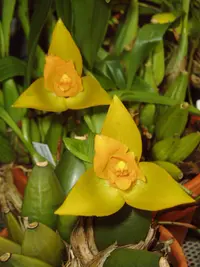
Pseudobulb Monitoring

Check pseudobulbs regularly and adjust care if they wrinkle heavily, since pronounced shriveling during the growing season usually indicates that the plant needs a bit more moisture or stronger roots.

Potting Angle Adjustment

When repotting, position the newest pseudobulbs toward the pot rim so there is space in front of them, guiding future growth into fresh medium and avoiding a congested center.

Targeted Air Movement

Use a small oscillating fan on a low setting to move air gently around, but not directly at, the foliage to reduce fungal spotting and help leaves dry after watering or misting.

Bloom Protection Indoors

During flowering, keep the plant away from heat vents, strong fans, and fruit bowls that emit ethylene gas, as this helps blooms last longer when growing Sweet scented Lycaste indoors.

Common Pests and Diseases

Spider mites

This pest thrives in warm, dry conditions around pseudobulbs and leaf undersides, sucking sap and causing stippling, dull foliage, and fine webbing. Symptoms include slowed growth and leaves that look dusty or bronzed.

Solution

Rinse foliage and pseudobulbs thoroughly with a strong but gentle stream of lukewarm water, then increase humidity and airflow without keeping leaves constantly wet. For persistent infestations, apply a horticultural oil or insecticidal soap to all leaf surfaces and repeat every 7–10 days, keeping the plant shaded until dry.

Scale insects

These insects attach to pseudobulbs, leaf midribs, and sheaths as small brown or white bumps, drawing sap and weakening the plant. Symptoms include sticky honeydew, sooty mold on leaves, and poor flowering.

Solution

Manually remove visible insects with a cotton swab dipped in isopropyl alcohol, paying special attention to old sheaths and crevices. Follow with 2–3 treatments of insecticidal soap or horticultural oil at 7–10 day intervals, and isolate the plant from other orchids during treatment as part of standard Lycaste aromatica care.

Mealybugs

These insects hide around new growths, leaf bases, and roots, leaving white cottony masses and honeydew that can lead to sooty mold. Symptoms include distorted new growth, yellowing leaves, and weak flowering spikes.

Solution

Inspect all leaf axils, pseudobulb bases, and potting media, then remove visible clusters with a cotton swab dipped in isopropyl alcohol. Rinse the plant, refresh any heavily infested media, and use repeated insecticidal soap or systemic insect granules labeled for orchids if the infestation persists.

Bacterial brown rot

This disease attacks succulent pseudobulbs and leaf bases, causing water-soaked, rapidly enlarging brown lesions with a soft, foul-smelling tissue. Symptoms include sudden collapse of individual bulbs or leaves, often starting at a wound or trapped water point.

Solution

Immediately cut away all affected tissue with a sterile blade, removing some healthy tissue beyond the visible rot, and dispose of it. Disinfect tools after each cut, dust wounds with cinnamon or a bactericide labeled for orchids, then adjust care by keeping water out of leaf bases, improving airflow, and avoiding overhead watering late in the day.

Fungal leaf spot

This disease produces small yellow to brown spots on leaves that can enlarge and sometimes develop dark margins, especially under cool, humid, and poorly ventilated conditions. Symptoms include cosmetic damage and, in severe cases, premature leaf drop that reduces vigor.

Solution

Remove and discard badly spotted leaves, then increase spacing, airflow, and morning-only watering so foliage dries quickly. If new spots continue to appear, apply a fungicide labeled for ornamental orchids according to the label, and avoid prolonged leaf wetness by watering at the base rather than over the foliage.

Interesting Facts

Fragrance timing and chemistry

The flowers release a strong cinnamon-like fragrance that is most intense during warm daytime hours, likely linked to the activity of their natural insect pollinators and the temperature-dependent volatility of their scent compounds.

Deciduous orchid habit

Unlike many popular orchids, this species is seasonally deciduous and often drops its leaves at the start of the dry season, surviving on its thick pseudobulbs until rains return and new growth begins.

Seasonal cloud-forest native

It is native to oak and pine–oak forests from Mexico to Central America, where it grows as an epiphyte or lithophyte in bright, seasonal environments with a pronounced dry period.

Botan icon

Did you know?

This species was first described scientifically in the early 19th century and has since become a classic subject in collections focused on fragrant orchids, often used as a reference example when discussing strong floral scent in the genus Lycaste.

FAQs about Sweet scented Lycaste

Lack of blooms usually comes from insufficient light, no cool, dry winter rest, or overfeeding with nitrogen. Provide bright filtered light, a distinct drier cool period, and a balanced orchid fertilizer to support bud formation.

Grow Healthy Plants with Botan Care

Keep your plants happy and healthy with plant identification, disease detection, and easy care guidance.

Botan plant care app — identify plants on mobile

Explore More Plants