Pearly Everlasting Care (Anaphalis margaritacea)

Also known as: western pearly everlasting, whitemargin pussytoes
Pearly Everlasting

About Pearly Everlasting

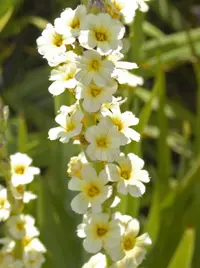
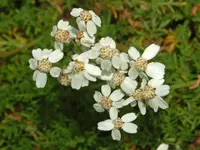
Pearly everlasting (Anaphalis margaritacea) is a hardy perennial wildflower known for its silvery foliage and clusters of white, papery flower heads. The blooms often keep their shape when dried, which makes the plant popular for craft and dried arrangements.

It typically forms low, spreading clumps with upright flowering stems, giving a soft, textured look in borders, meadows, and naturalized plantings. In the wild, it occurs across much of North America, often in open, sunny, and well-drained sites.

This species tolerates poor soils, drought, and light neglect, which makes it relatively easy to grow for most gardeners. Understanding how to care for Pearly Everlasting mainly involves providing sun, drainage, and avoiding consistently wet conditions.

Main Plant Requirements

Care Difficulty

Easy Care

Light Preference

Full Sun

Water Requirements

Low Water

Temperature Preference

Cold Hardy

Hardiness Zone

2–8

Soil Texture

Sandy, Loamy, Rocky

Soil pH

Acidic (5.5–6.5), Slightly acidic (6.5–7.0)

Soil Drainage

Well-drained

Fertilization

Minimal (feed rarely)

Get Personalized Care Plan

Scan your plant to receive care tips personalized for your specific plant

Available on iOS and Android

How to Care for the Pearly Everlasting

This sun-loving perennial thrives in open, bright conditions typical of dry meadows and roadsides.

  • Provide 6–8 hours of direct sun daily; Pearly Everlasting flowers most heavily in full sun, especially with strong morning light.
  • Tolerates light afternoon shade in hotter regions; in partial shade (3–4 hours of sun) stems stretch and flowering declines.
  • In cooler seasons and northern areas, full sun all day is ideal, but in very hot summers protect from harsh late-afternoon sun to reduce leaf scorch.

This drought-tolerant perennial prefers dry, well-drained soil and dislikes prolonged moisture around its roots.

  • Allow the top 5–8 cm of soil to dry fully before watering; in many garden soils this means infrequent deep watering once established.
  • During the first growing season, water when lower leaves begin to droop slightly or foliage looks dull, then soak the root zone and let excess drain.
  • Anaphalis margaritacea shows overwatering as yellowing, floppy stems or root rot smell, while chronic underwatering leads to crispy lower leaves and poor flowering.

This hardy species is adapted to cool-temperate climates with cold winters and mild to warm summers.

  • Active growth is best at 60–75°F (16–24°C), with flowering and sturdy stems developing well in these moderate temperatures.
  • Established plants tolerate winter lows to about -30°F (-34°C) in the ground, dying back above soil level and resprouting in spring.
  • Summer heat up to 90–95°F (32–35°C) is tolerated if soil is well drained; extended extreme heat with high humidity can cause stress, legginess, and reduced flowering.

This species handles low humidity well and rarely needs special humidity management.

  • Best growth occurs around 30–50% humidity, similar to dry outdoor air in many regions.
  • Pearly Everlasting tolerates very dry air; leaves only curl or crisp at the tips under prolonged hot, desiccating winds.
  • If foliage edges brown and feel papery, provide brief shade, water the roots adequately, and use a light mulch rather than misting.

Anaphalis margaritacea prefers lean, well-drained soil that stays airy after rain.

  • Use sandy or sandy-loam soil with coarse particles that prevent compaction and allow roots to breathe.
  • Aim for slightly acidic to neutral pH around 6.0–7.0, avoiding strongly acidic or alkaline sites.
  • Blend native soil with sharp sand or fine gravel and a small amount of compost to improve structure without making it rich.
  • Avoid heavy clay, peat-heavy mixes, or spots where water lingers, which promote rot and weak, floppy growth.

This species can grow in containers if drainage is sharp and the substrate remains relatively lean.

  • Choose a deep, narrow pot to accommodate its taproot and limit excess side moisture that can stay cold and wet.
  • Use a very gritty mix, such as 50–60% coarse sand or fine gravel, to keep the root zone fast-draining in wet weather.
  • Place the container in a sunny, open spot where wind can move through, preventing stagnant, humid air around the foliage.

Anaphalis margaritacea is a tough native perennial that needs only light feeding on lean, well-drained soils.

  • Use a light top-dressing of compost or a low-dose balanced NPK granular fertilizer (such as 5-5-5) in early spring.
  • Feed once at the start of the growing season; repeated applications are usually unnecessary for Pearly Everlasting.
  • Avoid high-nitrogen products, which promote weak, lush growth and may reduce flowering.
  • If using liquid fertilizer, dilute to 1/2 strength and stop feeding by late summer to allow natural dormancy.

Pruning Anaphalis margaritacea is straightforward and mainly keeps plants tidy and flowering well.

  • Cut back spent flower stalks in late summer or fall to neaten appearance and limit self-seeding.
  • Remove dead, diseased, or damaged stems at the base whenever noticed, using clean, sharp hand pruners.
  • Thin out crowded shoots in early spring to maintain airflow and a compact, upright habit.
  • In colder climates, shear old stems to 2–5 cm above ground in late winter before new growth emerges.

This species is most often grown in the ground, so care focuses on transplanting rather than frequent repotting.

  • Transplant in early spring or early fall, when temperatures are mild and soil moisture is steady.
  • Choose a sunny site with well-drained soil; avoid heavy, waterlogged spots that stress roots.
  • If moving container-grown plants, transplant when roots circle the pot or growth slows despite proper care.
  • Water thoroughly after transplanting, then keep soil evenly moist (not saturated) for 1–2 weeks to limit transplant shock.

Anaphalis margaritacea is commonly propagated by division or seed to expand plantings or refresh older clumps.

  • Divide mature clumps in early spring or early fall, lifting and separating sections with several healthy shoots and roots.
  • Sow seeds on the soil surface in spring; they need light to germinate, so do not cover heavily.
  • Keep seed trays or prepared beds lightly moist and in bright light until seedlings establish.
  • Stem cuttings taken in late spring can root in a sandy, well-drained mix under bright, indirect light and moderate humidity.

This perennial is cold hardy in much of North America and usually needs minimal winter attention in the ground.

  • Once frost kills top growth, stems can be left standing for winter interest or cut back close to the ground.
  • Apply a light mulch layer (2–5 cm) around the crown in late fall in colder regions to buffer soil temperature swings.
  • Container-grown plants are more exposed; move pots to a sheltered, unheated area once repeated hard frosts are forecasted.

Care Tips

Encourage Compact Growth

Shear back the stems by about one-third immediately after the first main flush of flowers fades to encourage a denser, more compact mound and a lighter second bloom later in the season.

Deadhead For Drying

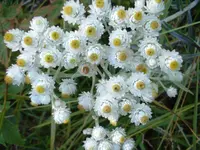
Cut flower stems when the central yellow disc is just fully open and hang small bundled bunches upside down in a dry, airy place to preserve the papery white bracts for long-lasting dried arrangements.

Control Underground Spread

Every 2–3 years, use a spade to slice around the clump in early spring and remove outer rhizomes to keep the plant from slowly invading neighboring perennials or lawn areas.

Improve Winter Survival

In colder or exposed sites, leave spent stems and a light layer of dry mulch over the root zone through winter, then remove both in early spring to protect the crown from freeze–thaw damage while still limiting disease build-up.

Support Pollinator Habitat

When caring for Pearly Everlasting, leave a portion of late-season stems and seed heads standing until early spring to provide shelter and food for native pollinators and beneficial insects that use the plant as host or overwintering habitat.

Common Pests and Diseases

Leaf spot

Symptoms include small brown or tan spots on foliage that may merge into larger patches, usually in prolonged wet conditions.

Solution

Remove and discard affected leaves, avoid overhead watering, and space plants to improve airflow so foliage dries quickly; in persistent, wet climates a copper-based fungicide can be used preventively during long rainy periods.

Powdery mildew

This disease produces a white, powdery coating on upper leaf surfaces, often late in the season when nights are cool and humidity is high.

Solution

Increase sun exposure and air circulation, water at soil level, and remove heavily infected leaves; if needed, apply a sulfur or potassium bicarbonate fungicide early when the first patches appear to slow spread.

Aphids

These insects cluster on young stems and flower buds, sucking sap and causing distortion, sticky honeydew, and sooty mold growth on nearby surfaces.

Solution

Spray shoots with a firm stream of water to dislodge colonies, encourage natural predators such as lady beetles, and, for heavier infestations, use insecticidal soap or a light horticultural oil, coating stems and leaf undersides thoroughly.

Leafhoppers

This pest causes fine pale speckling or stippling on leaves and may transmit minor leaf yellowing or distortion under dry, hot conditions.

Solution

Reduce nearby tall weeds and grasses that shelter adults, use a strong water spray to knock insects from the plant, and, if damage continues, apply insecticidal soap in the evening to foliage, repeating at 5–7 day intervals as needed.

Rust

This disease creates small orange to rust-colored pustules on the undersides of leaves, sometimes causing premature yellowing and drop.

Solution

Promptly remove and destroy infected leaves, avoid wetting foliage, and promote air circulation; in sites with recurring problems, apply a labeled ornamental rust fungicide at the first sign of pustules to protect new growth when growing Pearly Everlasting in dense plantings.

Interesting Facts

Everlasting papery flowers

The white, pearl-like heads are formed by dry, papery bracts that protect the tiny yellow disk florets, which is why the flowers hold their shape and color for months after drying.

Host for American lady

It serves as an important larval host plant for the American lady butterfly (Vanessa virginiensis), whose caterpillars feed on its foliage and often create silken nests among the flower clusters.

Pioneer of poor soils

This species commonly colonizes disturbed, sandy, or nutrient-poor soils after fire or land clearing, using its creeping rhizomes to spread and stabilize open ground.

Botan icon

Did you know?

Indigenous peoples in North America historically used the long-lasting flower heads in ceremonial and decorative contexts, valuing their durability and pale, pearly appearance as symbols of endurance and remembrance.

FAQs about Pearly Everlasting

This species spreads by short rhizomes and self-seeding. It usually forms loose colonies rather than dense, choking mats. In small beds, remove unwanted seedlings and edge clumps every few years to prevent gradual creep.

Grow Healthy Plants with Botan Care

Keep your plants happy and healthy with plant identification, disease detection, and easy care guidance.

Botan plant care app — identify plants on mobile

Explore More Plants