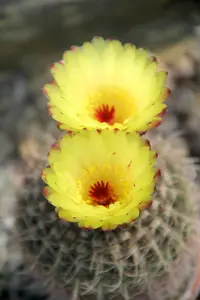


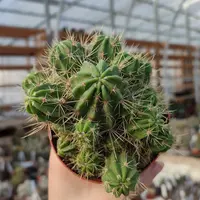
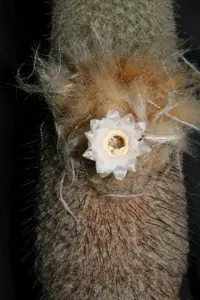
Cactus (Parodia concinna) Light Needs

Cactus grows best in bright partial sun, with several hours of direct morning light and protection from harsh extremes.

Light Preference

Partial Sun

Parodia concinna Light Requirements

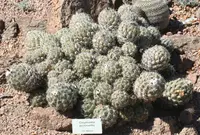
Parodia concinna is native to open, rocky grassland habitats in southern South America, where light is strong and shade is brief. Plants may receive direct sun for part of the day, with some shelter from grasses, stones, or passing cloud cover. In cultivation, this points to bright exposure with gentle direct sun and protection from abrupt, intense heat. Preferred light is partial sun.

  • Ideal exposure:

    Cactus needs about 6–8 hours of partial sun or very bright filtered light daily, including 3–5 hours of direct sun.

  • Morning sun:

    Gentle morning sun is the safest direct exposure and supports compact, rounded growth.

  • Full sun tolerance:

    Established plants can tolerate full sun, but strong midday or afternoon rays should be introduced gradually.

  • Low light limit:

    Deep shade leads to stretched growth and poor flowering over time.

Indoors, this plant needs the brightest practical spot with some direct sun.

NPoor
North-facing window:

A north-facing window is usually too dim unless it is unusually bright and unobstructed.

EBest
East-facing window:

Place it within 1–2 ft of the glass so it receives several hours of gentle morning sun.

SSuitable
South-facing window:

Use a spot slightly back from the glass or filter the strongest midday rays during hot months.

WConditional
West-facing window:

West light can work if the plant is protected from sudden, intense late-afternoon sun.

If the stem leans or the top narrows, move it closer to the brightest suitable light source.

Strong sun usually causes fixed surface marks.

Pale patches:

Whitish or tan spots on the sun-facing ribs can indicate sunburn, especially after a sudden move outdoors.

Bleached skin:

A washed-out, yellow-green cast on the exposed side suggests more light than Parodia concinna can comfortably use.

Red-purple tone:

A reddish or purplish flush can be a stress response when direct sun is intense for too many hours.

Scorched spine points:

Dry, rough marks around the small spine-bearing spots may follow harsh midday or afternoon exposure.

Move the plant back from the hottest rays or add light filtering right away. Reintroduce stronger sun gradually over 1–2 weeks.

Weak light changes the plant’s shape over time. These signs are most noticeable during active growth.

  • Stretched crown:

    New growth may become taller, narrower, or pointed instead of keeping a compact rounded form.

  • Leaning stem:

    The body may tilt toward the nearest bright source as it tries to reach stronger light.

  • Fewer flowers:

    Flowering may be sparse or absent when Parodia concinna does not receive enough bright daily exposure.

  • Small new growth:

    Fresh growth may stay undersized even when temperature and general care are otherwise steady.

Move it to a brighter position with gentle direct sun. Increase exposure in steps to avoid sun stress.

If ideal sun is limited, choose the brightest available spot and give the plant several hours of direct morning light rather than weak all-day shade.

Rotate the pot a quarter turn every 1–2 weeks so the rounded body grows evenly toward the light source.

Avoid placing it far inside a room; distance from the glass reduces usable light quickly.

Get Personalized Care Plan

Scan your plant to receive care tips personalized for your specific plant

FAQ

For Cactus light requirements, aim for 6–8 hours of bright exposure daily, including several hours of direct morning sun. Light shade is tolerated briefly, but deep shade is not suitable.

More Plant Light Guides

Get the Botan App

Discover how to care for your plants with Botan.

Botan app identifying a plant with a phone camera
13 Best Front Yard Trees for Every Home and Yard

12 min read · 7 Aug 2026

13 Best Front Yard Trees for Every Home and Yard

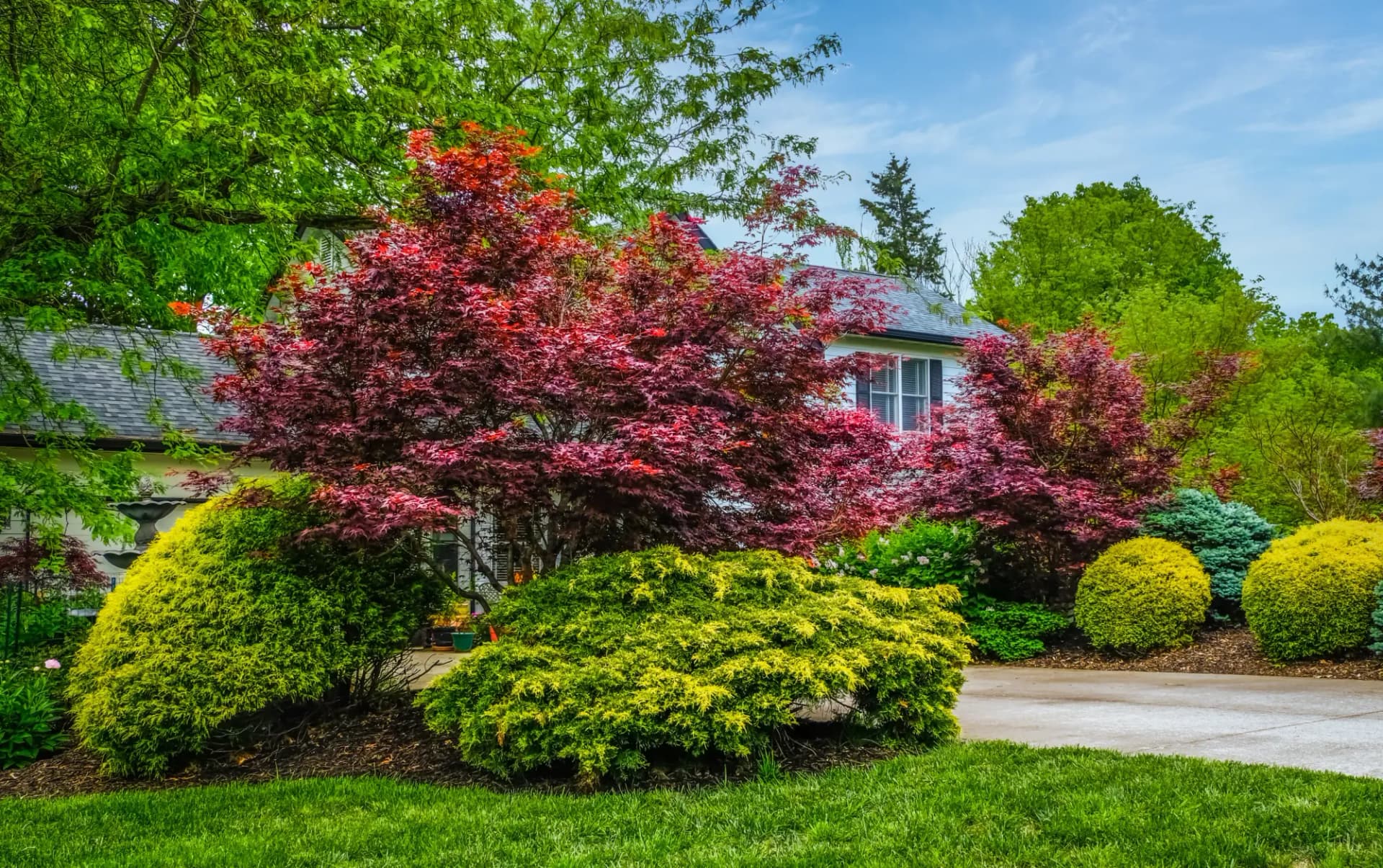
A front yard tree can stay for decades. Therefore, choosing one deserves serious consideration. Here are 13 trees that have proven themselves, sorted by their purpose. You'll also find five species to avoid and basic planting information.

Plant Recommendations
13 Best Front Yard Trees for Every Home and Yard
How to Bottom Water Plants: Complete Guide

6 min read · 13 Jul 2026

How to Bottom Water Plants: Complete Guide

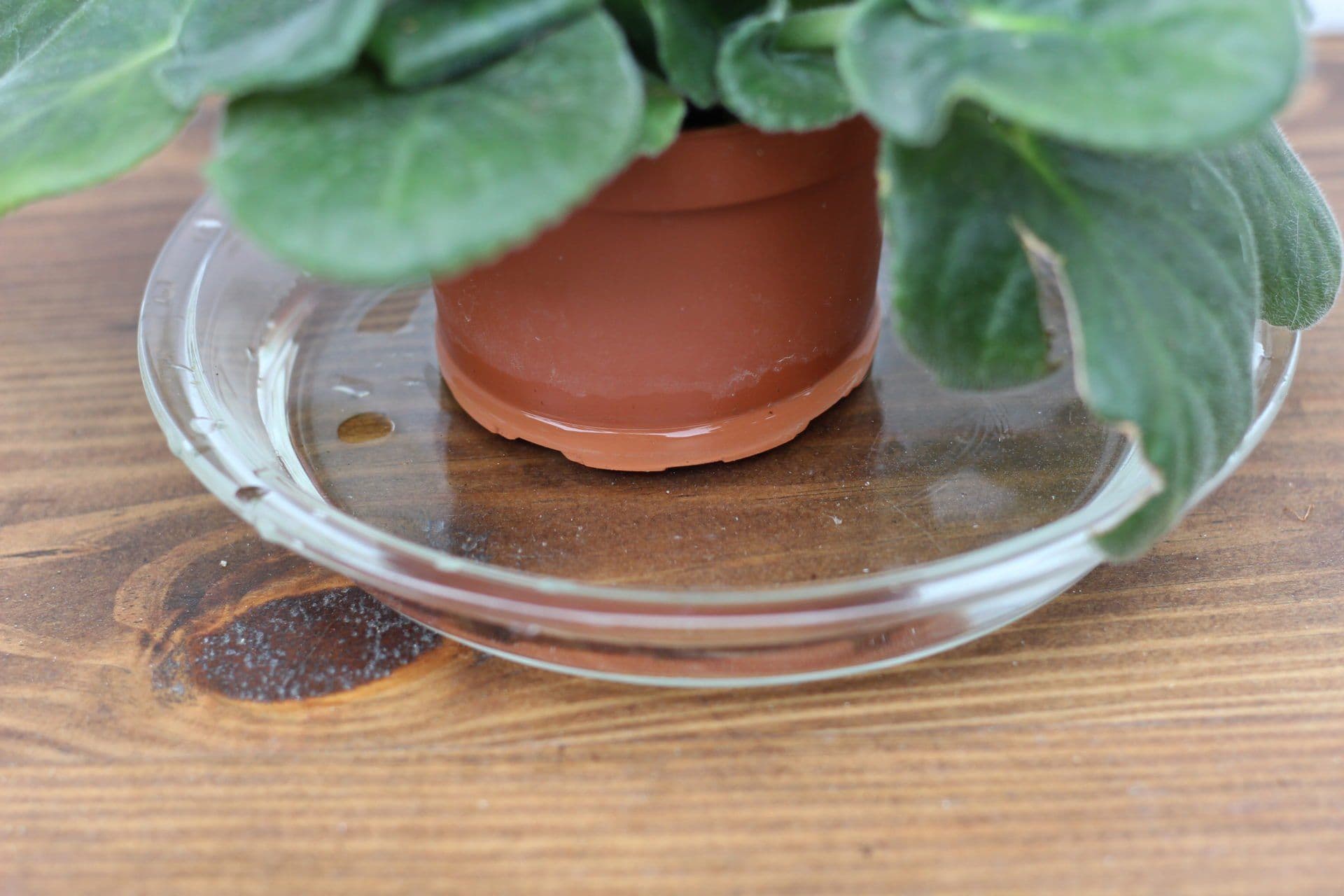
Bottom watering helps soil absorb moisture evenly and keeps foliage dry, reducing the risk of missed dry spots or root problems. Place the pot in a tray of water for a short time, then let it drain well.

Plant Care
How to Bottom Water Plants: Complete Guide
When to Harvest Carrots: Timing, Signs, and How to Pick Them

6 min read · 23 Oct 2026

When to Harvest Carrots: Timing, Signs, and How to Pick Them

Carrots are usually ready 60-80 days after sowing them in the soil, depending on the variety. Learn how to recognize maturity signs, choose the right harvest season, pull carrots without damaging them, and store roots after picking.

Plant Care
When to Harvest Carrots: Timing, Signs, and How to Pick Them