


8 min read · 16 Oct 2026
20 Funny Plant Names That Make You Laugh
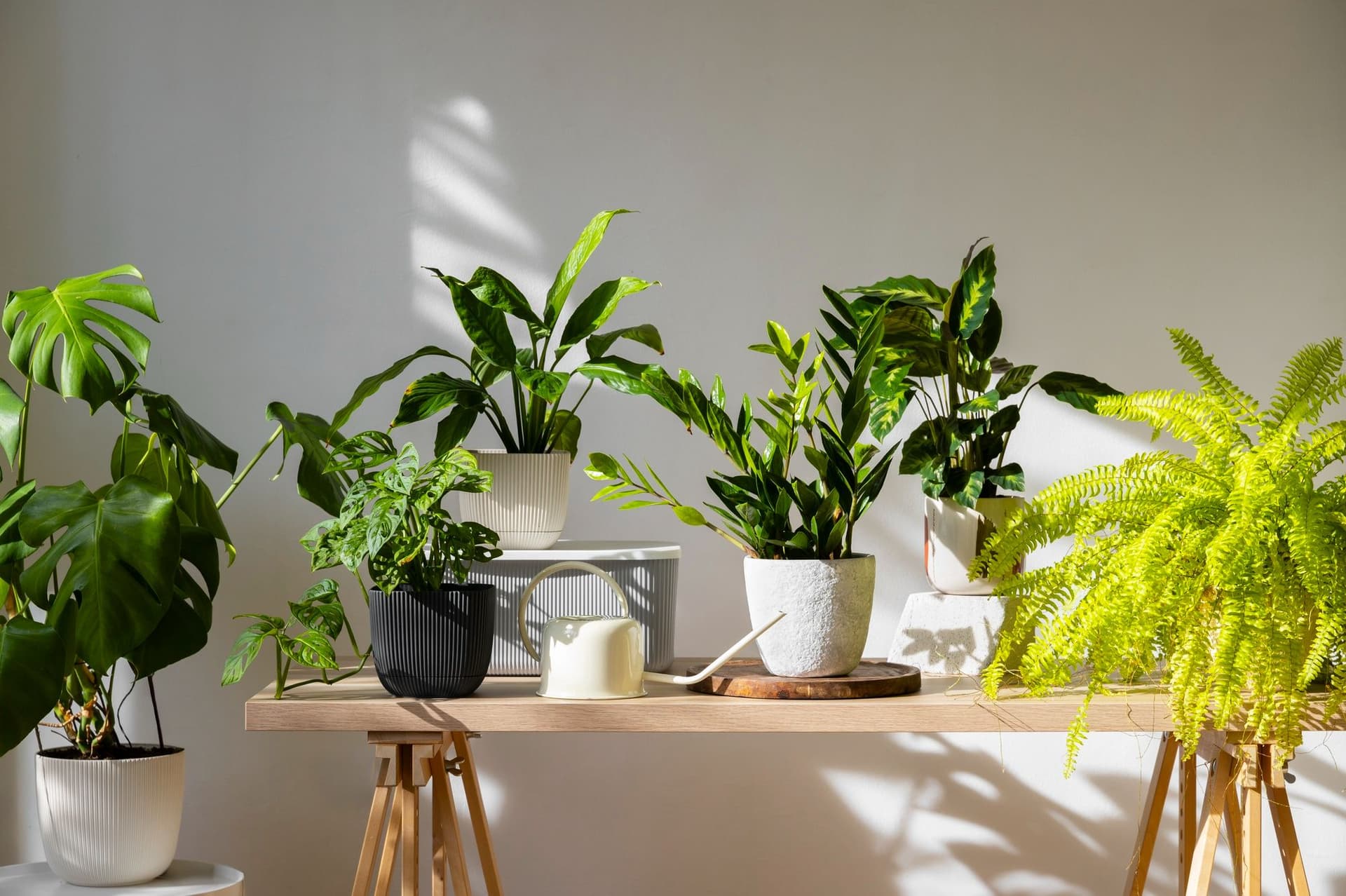
Some plants carry names that sound like jokes. This guide explains the origins of 20 funny plant names. You will also see which of these plants you can grow at home.

Cactus grows best in full sun, with several hours of direct light and strong brightness for compact growth.

Light Preference
Full Sun

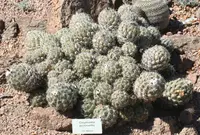
Echinocereus maritimus is native to exposed coastal desert habitats in Baja California, where rocky slopes and open scrub receive intense sun, clear skies, and drying wind. Low vegetation may give brief side shade, but plants are not adapted to deep shade. In cultivation, similar open brightness supports dense spines, compact stems, and better flowering. Preferred light is full sun for most of the day.
Cactus needs about 6–8 hours of full sun or very bright light daily, including 4–6 hours of direct sun.
Established plants tolerate full sun well, but stronger exposure should be introduced gradually after lower light.
Partial sun is tolerated, especially with strong morning light, but flowering and spine density may be reduced.
Shade is not suitable and often leads to stretched, weaker new growth.
Hot afternoon sun is acceptable after acclimation, but sudden exposure can scorch sun-facing tissue.
Indoors, place this plant at the brightest window available, with several hours of direct sun.
A north-facing window is poor because it rarely provides enough direct sun for compact growth indoors.
An east-facing window is conditional because morning sun is gentle, but the plant may need a brighter second exposure for stronger growth.
A south-facing window is usually best when the plant sits within 1–2 ft of the glass and receives long, direct sun.
A west-facing window is suitable if the plant is acclimated to hotter afternoon sun and monitored for pale sunburn marks.
If growth leans or stretches, move the plant closer to the brightest safe exposure rather than placing it in shade.
Excess light problems usually follow sudden exposure or unusually harsh afternoon sun.
Pale beige or whitish marks may appear on the sun-facing side after an abrupt move into stronger direct sun.
Damaged spots can dry into tan, rough scars that do not turn green again.
A bronze, red, or dull purple cast can suggest strong light stress when it appears quickly with intense heat.
Only the side facing the brightest window or outdoor exposure may look faded, while shaded tissue stays normal.
Move it out of the harshest rays and keep it in bright filtered light for several days. Reintroduce direct sun gradually, adding short periods of morning sun first.
Too little light shows in new growth first. The plant may stay alive but lose its compact, sturdy form.
New stems may become narrower, longer, or softer than older growth as they reach toward light.
The plant may angle toward the brightest side instead of staying evenly upright.
New spine growth may look shorter or less dense than growth made in stronger sun.
Flowering may be sparse or absent when active-season light is consistently too weak.
Very limited growth during spring and summer can point to insufficient light when temperatures are otherwise suitable.
Move the plant to a brighter exposure over 1–2 weeks. Choose full sun or the strongest indoor sun available rather than shade.
If full sun is not available, choose the brightest exposure that gives at least a few hours of direct sun. A spot with only soft room light is unsuitable for long-term growth.
Rotate the pot a quarter turn every 1–2 weeks during active growth to keep stems even. Use a light curtain only during sudden heat waves or after moving the plant from lower light.

Plant Light Guide
Find the ideal light conditions for your plant and support healthy growth
Scan your plant to receive care tips personalized for your specific plant
This plant needs full sun or very bright light, ideally for most of the day. Bright shade is not enough for compact growth or reliable flowering.
Discover how to care for your plants with Botan.


8 min read · 16 Oct 2026
Some plants carry names that sound like jokes. This guide explains the origins of 20 funny plant names. You will also see which of these plants you can grow at home.

8 min read · 6 Nov 2026
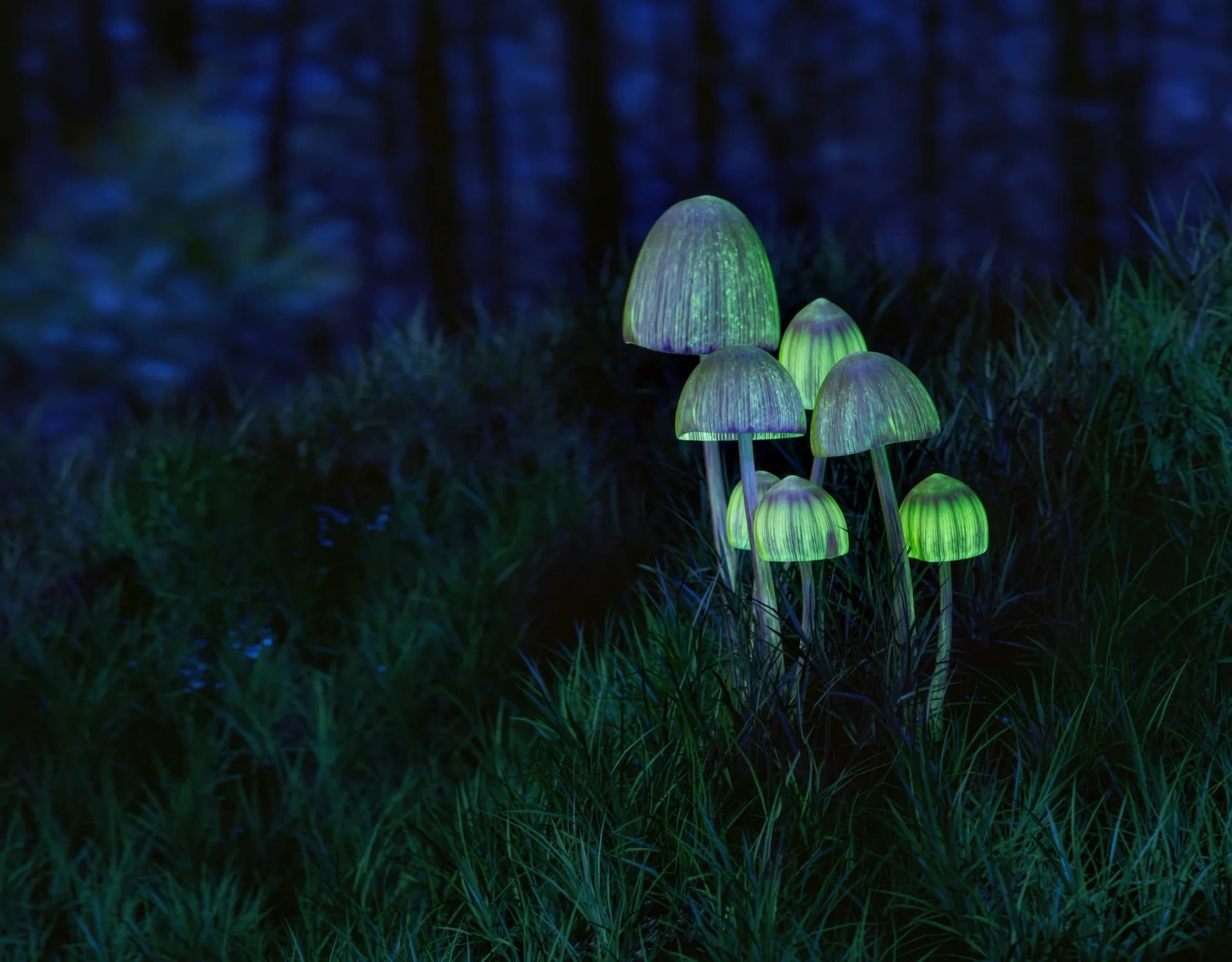
Plants that glow in the dusk really exist. Some of them produce their own light, while others need UV exposure or special treatments. Explore eight fascinating examples, including glowing petunias, bioluminescent mushrooms, fluorescent flowers, and experimental succulents.

5 min read · 11 Sept 2026
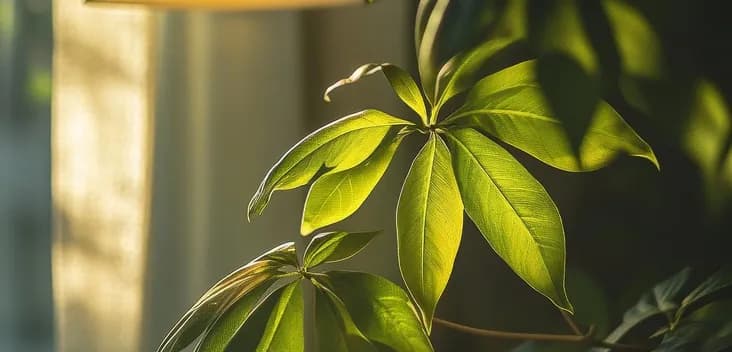
Indoor plants can make a room feel fresher thanks to their air-purifying qualities. Here are 5 of the most suitable choices for your routine and living space.