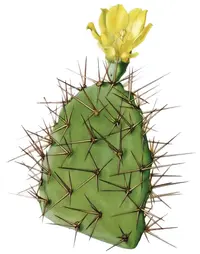



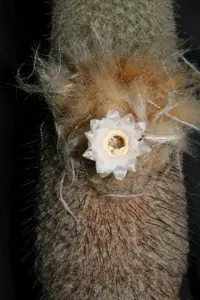
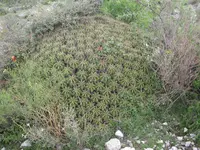
Best Soil for prickly pear (Opuntia sulphurea)

A gritty, fast-draining mix helps Opuntia sulphurea keep roots healthy by improving airflow and limiting excess moisture around them.

Soil Texture

Sandy, Loamy, Rocky

Soil pH

Slightly acidic (6.5–7.0), Slightly alkaline (7.0–7.5)

Soil Drainage

Well-drained

Opuntia sulphurea Soil Guide

Native to parts of South America, Opuntia sulphurea grows in open, dry ground with sandy, loamy, or rocky soils. That habitat explains its need for a loose, fast-draining substrate that does not stay damp around the roots.

Its roots are shallow and adapted to take up brief moisture, then dry quickly with good airflow in the soil. The best soil for prickly pear has a gritty, mineral feel with modest organic matter, so it holds some moisture but still drains freely and stays lightly aerated.

A homemade mix gives better control over texture and drainage than many standard bagged soils for Opuntia sulphurea.

100% total mix = 20 scoops
10%
fine gravel or small lava rock2 scoops
20%
coarse sand4 scoops
30%
pumice or perlite6 scoops
40%
cactus potting soil8 scoops

The finished blend should feel gritty and loose, with water moving through quickly instead of lingering around the roots.

A good target for prickly pear is about 6.5–7.5 pH, which sits from slightly acidic to slightly alkaline. That range supports steady nutrient availability without pushing the root zone too far in either direction.

Opuntia sulphurea is fairly comfortable near neutral conditions, so a small shift within that range is usually manageable. If pH drifts much lower or higher, some nutrients become harder for roots to absorb even when they are present in the soil.

This species handles lean conditions well, but root stress can develop when the root zone stays airless or contaminated for too long.

Compacted mix:

Dense soil that dries slowly can limit root oxygen; loosen the situation by replacing part or all of the medium with a more open mix.

Stale, soggy root zone:

If the container stays heavy and damp for long periods, prickly pear may struggle below the surface; check drainage and move out any saturated material.

Salt buildup:

A crust on the soil surface or pot rim can point to accumulated minerals; flush thoroughly when appropriate or refresh the upper layer with clean mix.

Used or contaminated soil:

Old substrate may carry pests, spores, or broken-down particles; the safest first response is to discard it and start with clean material.

Soil Advice in Seconds

Botan helps match this plant to a more suitable soil setup by combining care guidance with photo-based identification and practical recommendations.

FAQ

Yes. A pot does not need to be unusually deep, but enough depth for a stable root zone helps the mix dry more evenly and reduces wobbling as the plant establishes.

More Plant Soil Guides

Check What the Soil Is Doing

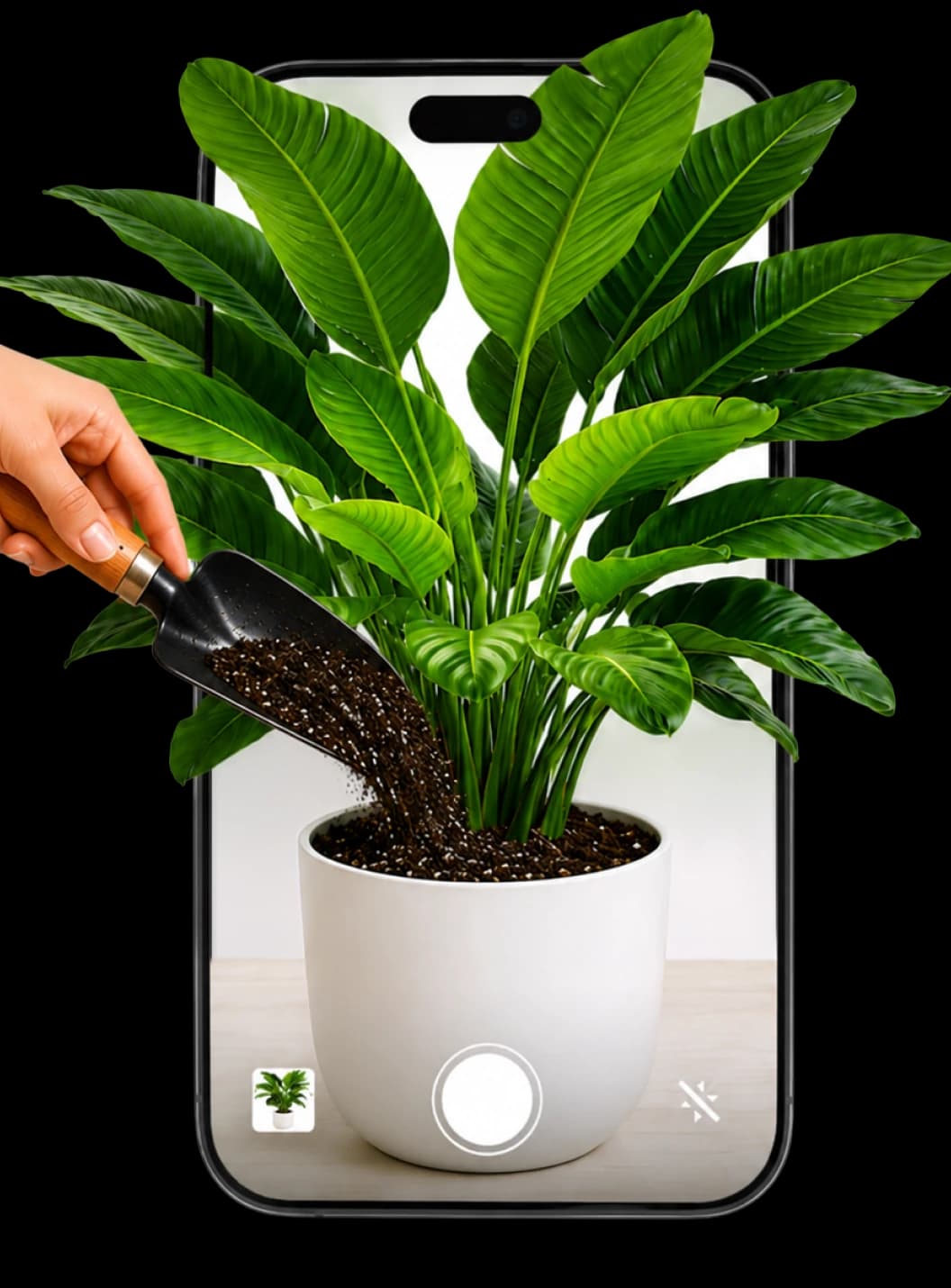
If a plant looks off, soil may be one factor worth checking. Botan’s photo assessment can help point to likely stress patterns to review.

Botan app helping with soil and plant care
When to Harvest Tomatillos: How to Tell When They're Ripe

4 min read · 20 Oct 2026

When to Harvest Tomatillos: How to Tell When They're Ripe

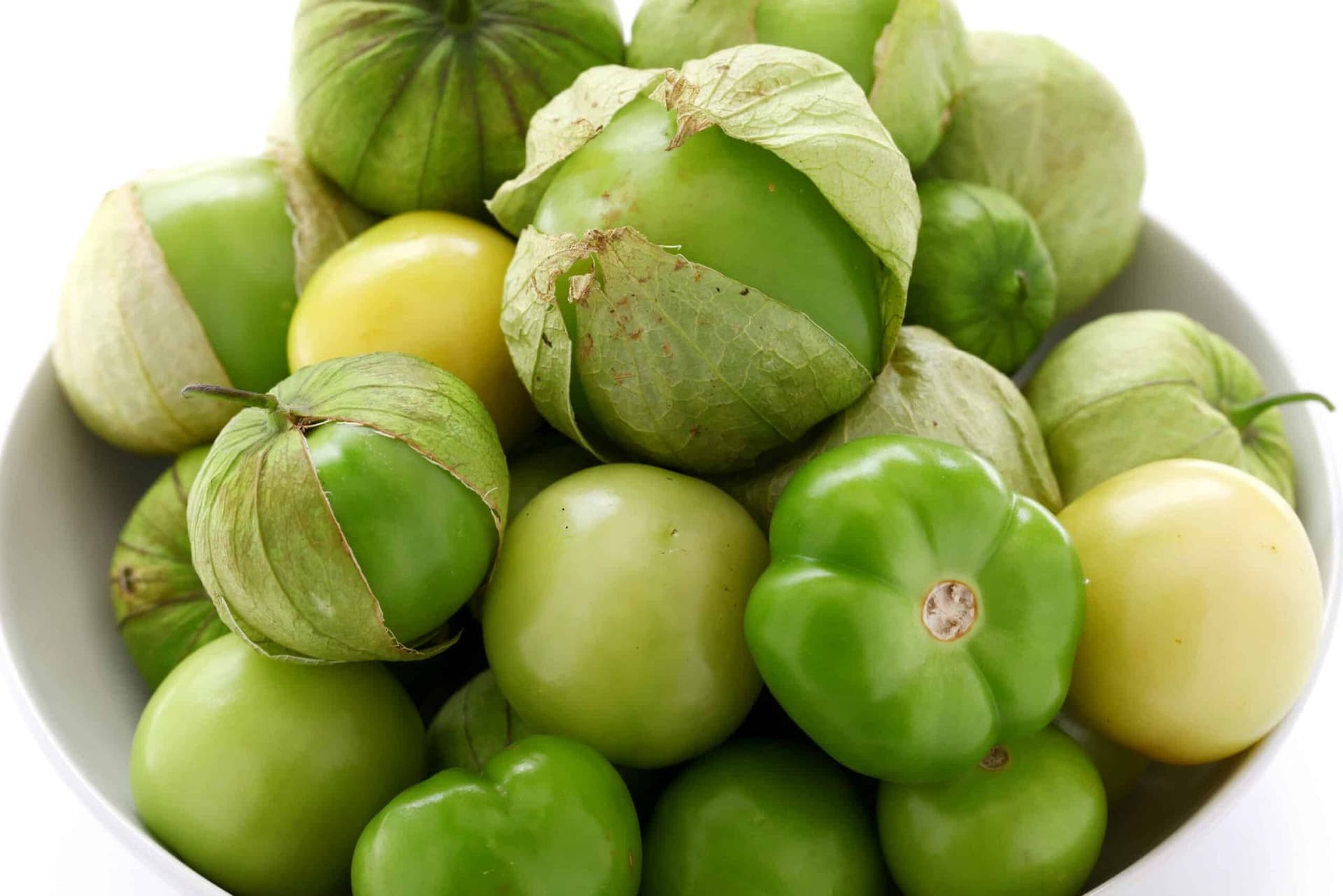
Tomatillos grow inside papery husks, making it hard to judge ripeness at a glance. This guide explains how to know when tomatillos are ripe and offers practical advice on harvesting and storage.

Plant Recommendations
When to Harvest Tomatillos: How to Tell When They're Ripe
Plants That Repel Bugs – 20 Effective Options

12 min read · 16 Jul 2026

Plants That Repel Bugs – 20 Effective Options

Mosquitoes on the patio? Gnats in the kitchen? Some plants keep them away with the scent of their own leaves. Here are 20 that deal with mosquitoes, flies, aphids, and more, plus where to put them so they help.

Plant Recommendations
Plants That Repel Bugs – 20 Effective Options
Banana Peel Water for Plants: 5 Things to Know Before Trying It

5 min read · 9 Jul 2026

Banana Peel Water for Plants: 5 Things to Know Before Trying It

Banana water can provide potassium and some nutrients that may support plant growth, but it is not a universal fix. Use it carefully and only when the plant actually shows signs of nutrient deficiency rather than as a routine treatment.

Plant Care
Banana Peel Water for Plants: 5 Things to Know Before Trying It