


7 min read · 24 Aug 2026
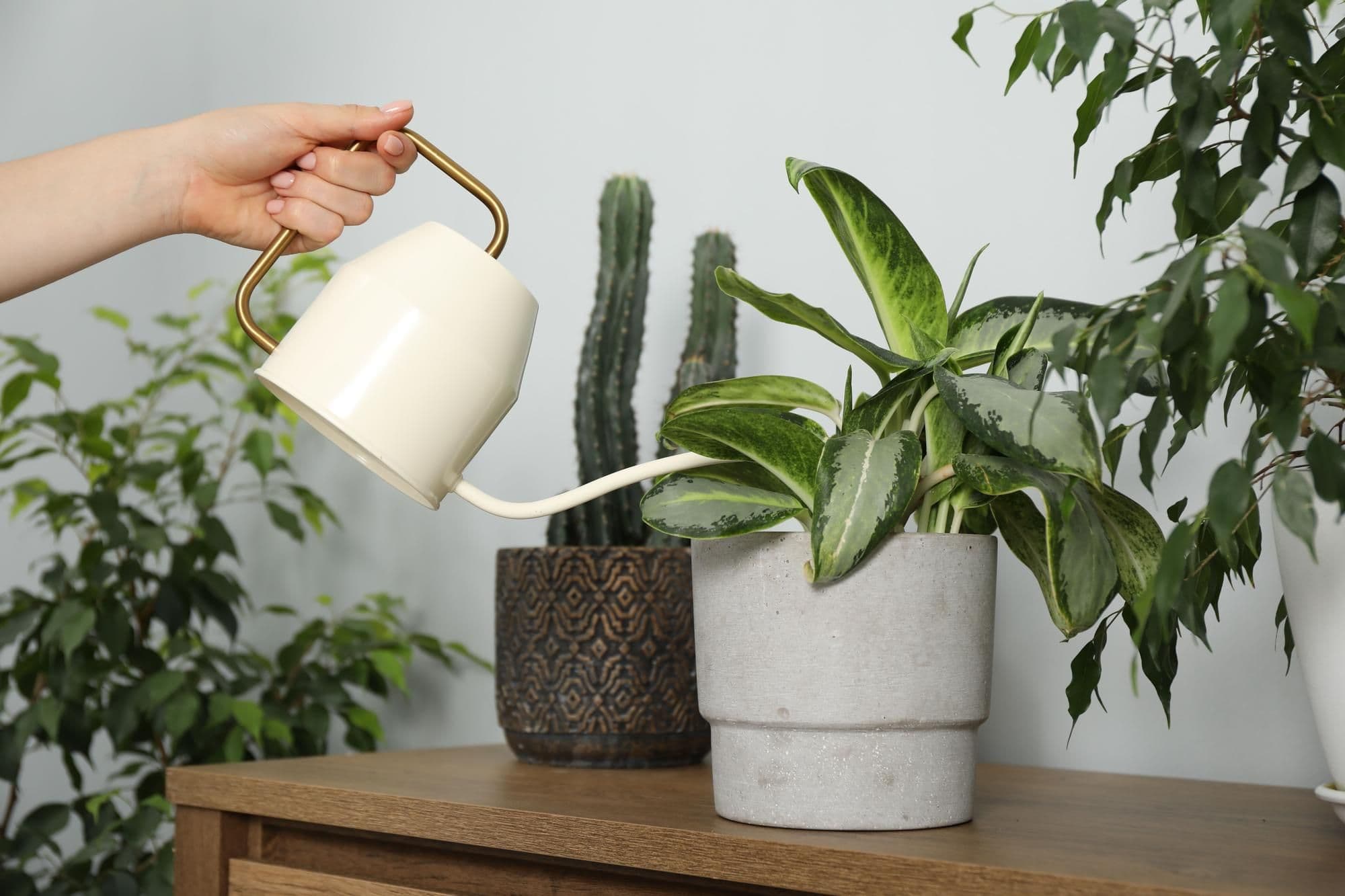
How to Water Houseplants: Watering Guide
Learn how often to water indoor plants, key factors for proper watering, and how to adjust the care routine by plant type, season, pot size, light, and indoor conditions.
Plant Care

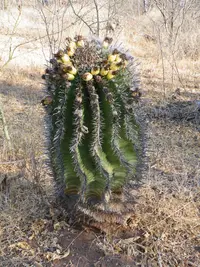
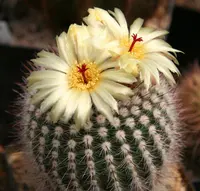
Recognize Parodia scopa by its solitary to slowly clustering, nearly spherical to short cylindrical stems, usually a few inches wide, with many narrow ribs lined by dense, fine radial spines.
At first glance, the woolly crown and yellow flowers produced from the stem top are two of the most reliable identifying traits.
Take or upload a photo to confirm your plant ID with Botan.
Clear images work best. Avoid photos taken too close or too far away
Check the plant’s overall shape, ribbing, and spine coverage first.
Dense spines plus a ribbed, low stem are the quickest useful checks.
Parodia scopa shows useful age-related changes in stem shape, clustering, and flowering features.
The clearest seasonal clue in Parodia scopa is flowering. In late spring to summer, mature plants produce bright yellow flowers at the crown, making the rounded stem shape and dense, combed spines easier to recognize. After bloom, small dry fruits may remain tucked among the crown spines for a time. Outside the flowering period, the plant usually keeps the same overall look year-round.
A few small, densely spined globular cacti are often mistaken for Parodia scopa.
silver ball cactus(Parodia leninghausii)
Juvenile plants can look similar because both are yellow-spined and ribbed. P. leninghausii soon becomes taller and more columnar, often with softer, shaggier-looking spines, while P. scopa stays more rounded to short-cylindrical.
balloon cactus(Parodia magnifica)
Both can form rounded, ribbed stems, but P. magnifica is usually blue-green with fewer, broader ribs and more widely spaced spines. The plant in question is typically greener and much more densely covered in fine golden spines.
Parodia scopa is native to southern Brazil and Uruguay. It is reported from open, sunny ground, often among rocks or on well-drained slopes in grassland settings. This range helps with identification because Parodia species from southeastern South America are often small, clustering cacti of exposed sites rather than true desert plants. Knowing that habitat can help separate P. scopa from look-alikes associated with very different regions or forested environments.
Parodia scopa is not known for toxic sap or poisonous leaves, but its dense, sharp spines are the main safety concern. Injury risk comes from skin contact with the stems and spines, affecting both people and pets.
What Plant Is This?
Find out what plant you have and get specific care tips
Use Botan to identify or confirm it from a photo, which helps avoid mix-ups with similar plants.
Look for a small to medium barrel-shaped cactus covered in many fine white to yellowish spines, with numerous narrow ribs and a woolly crown. Yellow flowers appear near the top, helping with Parodia scopa identification.
Identify it from a photo, then get species-specific care information, safety notes, and common problems.
7 min read · 24 Aug 2026
Learn how often to water indoor plants, key factors for proper watering, and how to adjust the care routine by plant type, season, pot size, light, and indoor conditions.
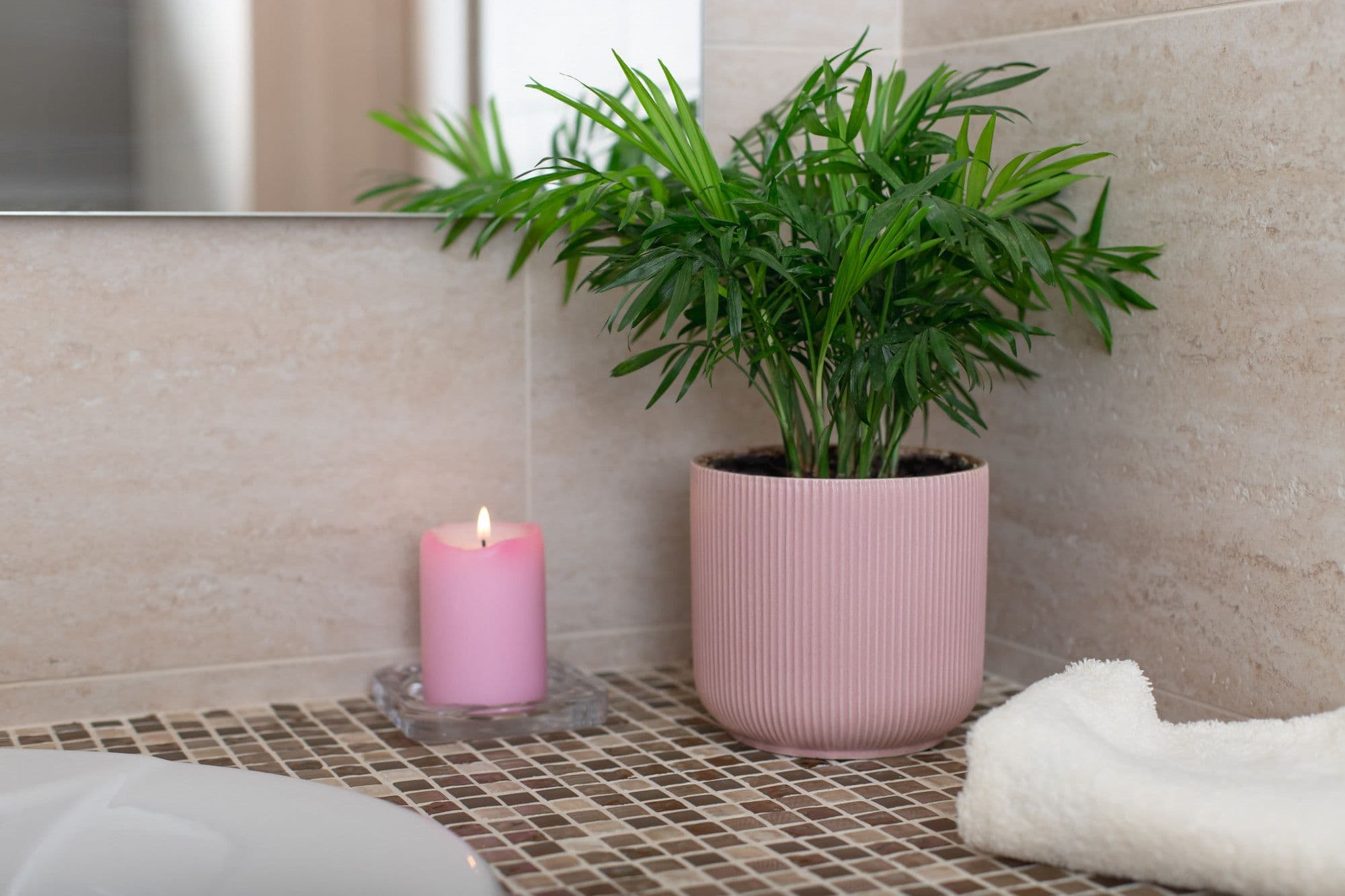
9 min read · 29 Sept 2026
Discover the 12 best plants for bathroom spaces. Each pick comes with its own advantages, plus light, humidity, watering, and placement tips. Take a look and match the plant to your specific bathroom.
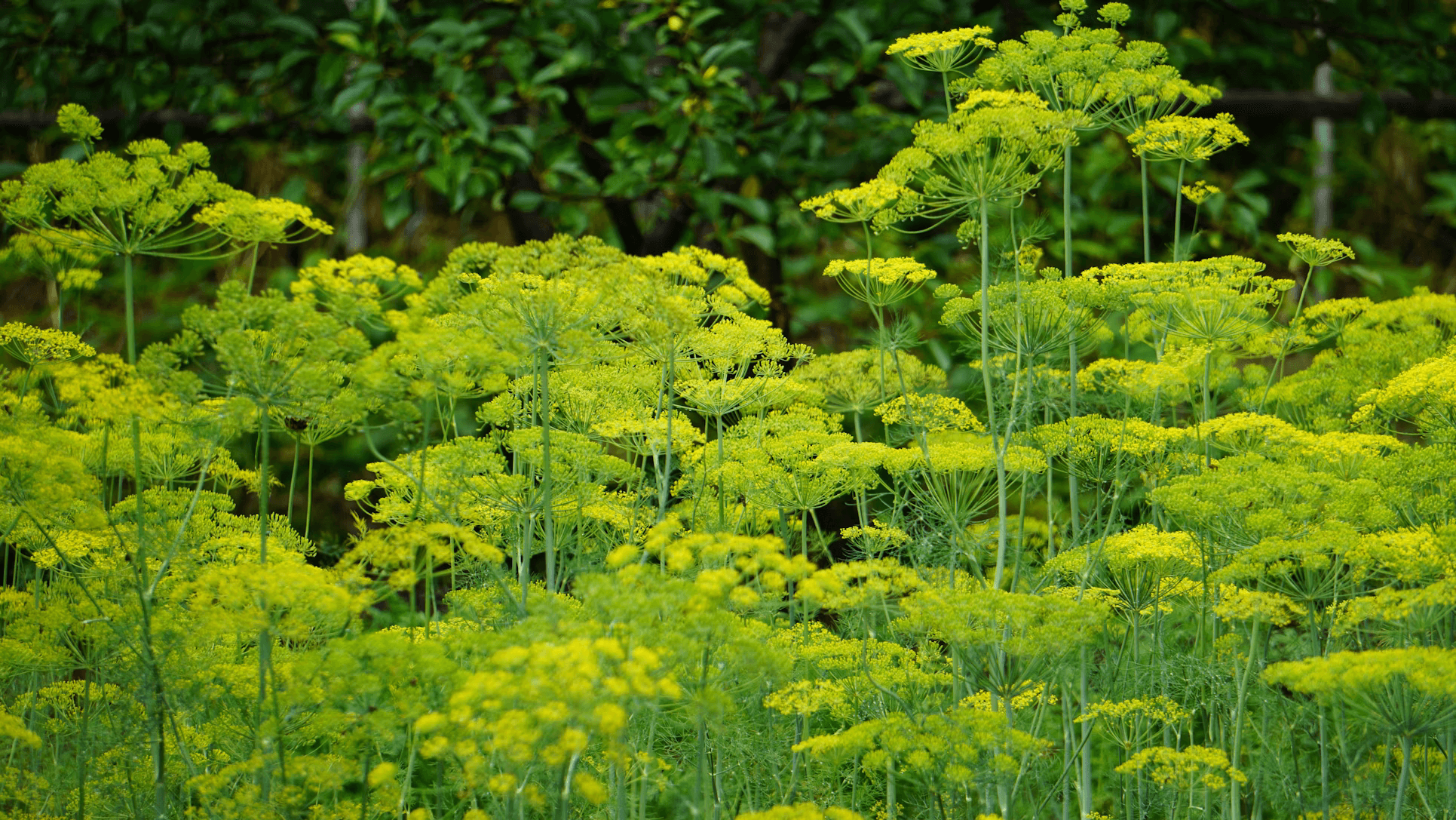
9 min read · 17 Jul 2026
Dill is an easy-to-grow plant that gets along well with many vegetables. This guide describes 15 plants that can be planted alongside it, a few to avoid, and mistakes that can quietly sabotage the entire process.