
Cactus (Parodia scopa) Watering Guide

This page explains when, how often, and how much to water Parodia scopa in straightforward, practical terms.

Water Requirements

Low Water

Parodia scopa Watering

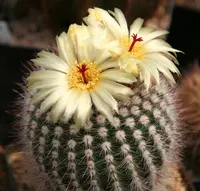
This compact cactus from dry South American grasslands shapes its watering needs. Parodia scopa prefers soil that dries between sessions, reflecting its naturally brief rainfall periods. For indoor plants, watering Cactus like this means light, infrequent moisture rather than steady dampness.

Outdoor plants in the ground usually need less frequent attention than container plants. Overall, aim for cautious, conservative watering supported by upcoming detailed guidelines.

For Parodia scopa, wait until the potting mix is fully dry 1–2 inches (3–5 cm) down before watering again. In bright, warm summer conditions this typically means about every 10–21 days, while cooler rooms or shorter winter light will slow drying and lengthen the interval.

Water Parodia scopa when the pot feels light and the top half of the mix is bone-dry around the Cactus.

  • Pour room-temperature water slowly over the soil surface, staying clear of the crown and stem to prevent trapped moisture.
  • Water until liquid runs from the drainage holes, so the entire root zone is evenly moistened without dry pockets.
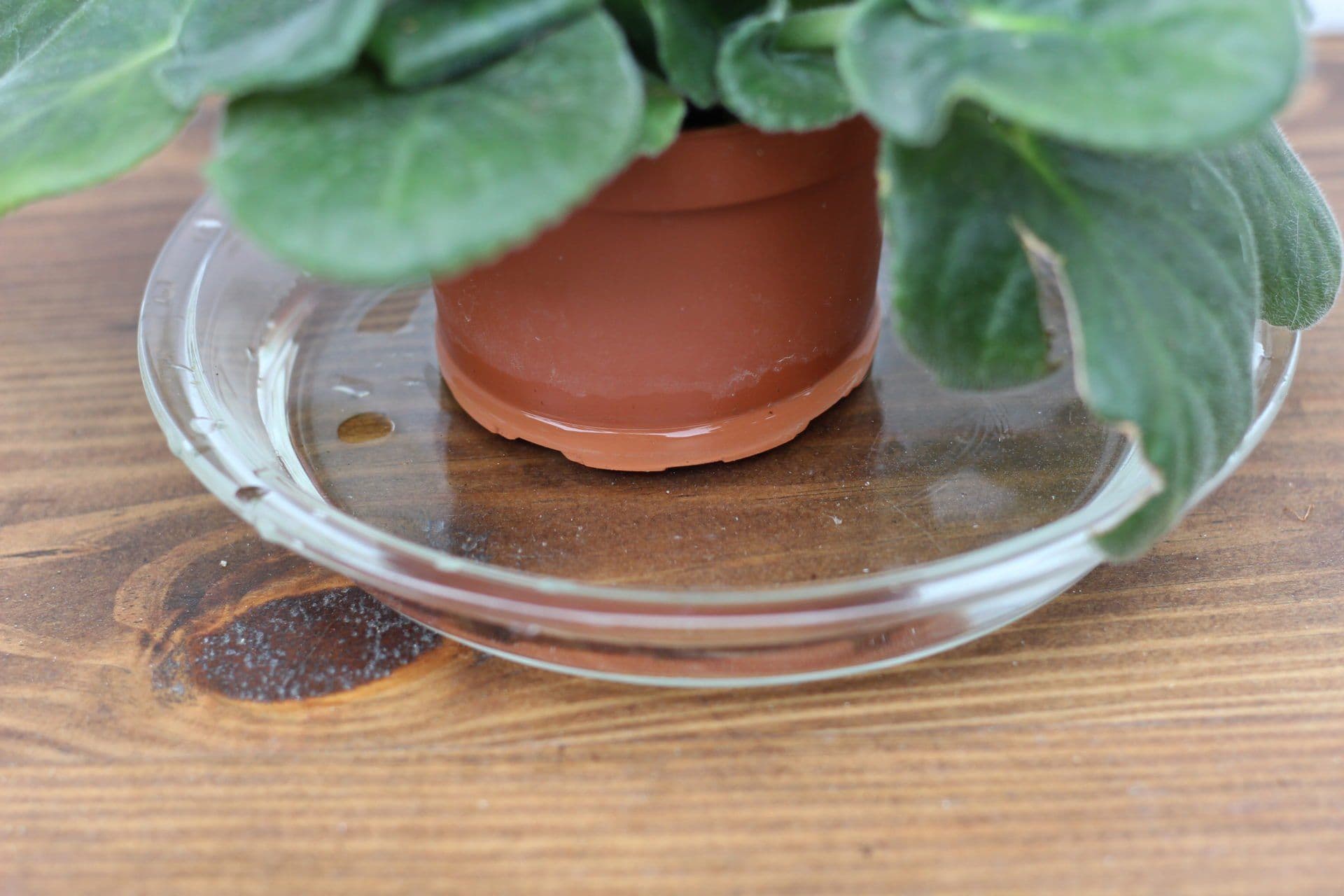
  • Let the pot drain completely, then empty saucers or cachepots so the base never sits in standing water.

Incorrect moisture balance can disrupt Parodia scopa health and trigger several avoidable issues.

Shriveled Ribs:

Ribs wrinkle and lose firmness when soil stays dry too long, especially in warm, bright conditions.

Yellowing Base:

Lower tissues turn yellow and soft when roots sit in dense, poorly drained, chronically wet substrate.

Blackened Crown:

Top tissue darkens and collapses after water collects in the crown, promoting fungal infection.

Moldy Soil Surface:

White or gray fuzz appears on mix that remains cool and damp with insufficient air movement.

Let the mix dry deeply between thorough waterings, especially in cool or low-light periods.

Unsuitable watering habits stress Parodia scopa by keeping roots too wet or too dry for this compact desert cactus.

  • Rigid watering schedule: Watering on the calendar instead of checking soil moisture keeps it wet too long; feel dryness before adding water.
  • Dense, moisture-holding soil: Using peat-heavy or garden soil traps water around fine roots; choose a gritty cactus mix that drains very fast.
  • Water left in saucer: Letting drainage water sit under the pot re-soaks the root zone; empty the saucer a few minutes after watering.

Base watering on how quickly a fast-draining mix dries, giving thorough drinks only after the root zone is mostly dry.

  • Spring: As growth restarts, increase watering slightly, letting the mix dry fully between drinks and avoiding cold, soggy soil.
  • Summer: In bright heat, water more frequently but deeply, then allow thorough drying; reduce if strong sun and low airflow speed pot drying.
  • Fall: Gradually lengthen the dry periods between waterings as days shorten, preparing the plant for cooler, slower growth.
  • Winter: In cool conditions, water very sparingly, just enough to prevent shriveling, and keep the root zone mostly dry during dormancy.

Track Watering. Catch Problems Early

Use Botan for a clear, tailored watering guide and step-by-step care procedures for Parodia scopa. Log waterings, and let photo-based checkups help spot emerging issues early.

Botan plant care app — identify plants on mobile

FAQ

In spring and summer, water when the top 1–2 inches (3–5 cm) of soil are completely dry, often every 10–21 days depending on light and temperature. In winter, reduce drastically, sometimes to monthly or less.

More Plant Watering Guides

Is Your Watering Routine Hurting Your Cactus?

Use Botan to review watering patterns and adjust them with more confidence.

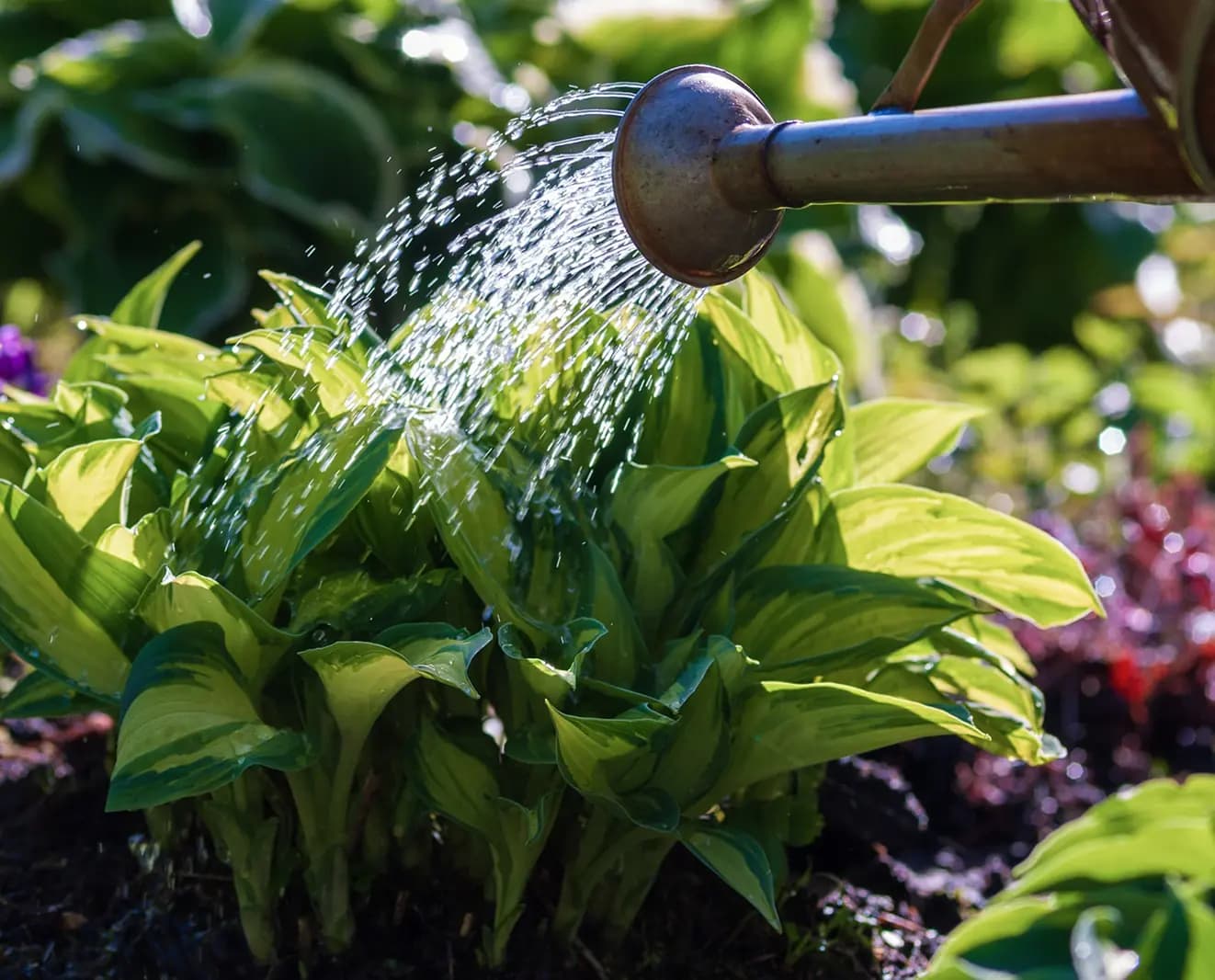
Watering a plant with a copper watering can
12 Best Cold-Hardy Vegetables for Cold Weather

7 min read · 13 Oct 2026

12 Best Cold-Hardy Vegetables for Cold Weather

Cold-hardy vegetables can keep a garden productive through chilly fall, winter, and early spring weather. This guide covers 12 reliable crops, their frost tolerance, and practical growing tips for better cold-season harvests.

Plant Recommendations
12 Best Cold-Hardy Vegetables for Cold Weather
How to Bottom Water Plants: Complete Guide

6 min read · 13 Jul 2026

How to Bottom Water Plants: Complete Guide

Bottom watering helps soil absorb moisture evenly and keeps foliage dry, reducing the risk of missed dry spots or root problems. Place the pot in a tray of water for a short time, then let it drain well.

Plant Care
How to Bottom Water Plants: Complete Guide
When to Harvest Carrots: Timing, Signs, and How to Pick Them

6 min read · 23 Oct 2026

When to Harvest Carrots: Timing, Signs, and How to Pick Them

Carrots are usually ready 60-80 days after sowing them in the soil, depending on the variety. Learn how to recognize maturity signs, choose the right harvest season, pull carrots without damaging them, and store roots after picking.

Plant Care
When to Harvest Carrots: Timing, Signs, and How to Pick Them