


Best Soil for Snake plant (Dracaena trifasciata)

A loose, well-drained mix helps Dracaena trifasciata maintain healthier roots by balancing airflow, moderate moisture retention, and gentle acidity.

Soil Texture

Sandy, Loamy, Organic-rich

Soil pH

Acidic (5.5–6.5), Slightly acidic (6.5–7.0)

Soil Drainage

Well-drained

Dracaena trifasciata Soil Guide

Native to tropical West Africa, Dracaena trifasciata grows in warm, seasonally dry conditions where water moves through the ground fairly quickly. That background explains why Snake plant soil should feel open and well-drained rather than dense or constantly damp.

Its thick roots and underground rhizomes store moisture, so the plant handles short dry periods better than soggy soil. The best soil for Snake plant combines sandy or loamy texture with some organic matter, giving roots air while still holding a light, even reserve of moisture.

A simple homemade blend can give Dracaena trifasciata the balance of structure and moisture control it needs in a container.

100% total mix = 20 scoops
15%
coarse sand3 scoops
20%
pine bark fines4 scoops
25%
perlite or pumice5 scoops
40%
cactus potting mix8 scoops

The finished blend should feel light, gritty, and airy, with water moving through promptly instead of lingering around the roots.

A slightly acidic to mildly acidic range of about 5.5–7.0 suits Snake plant well. Within that range, key nutrients stay available without pushing the root zone too far toward acidity or neutrality.

This species is fairly tolerant, but staying near the middle of that span supports more consistent nutrient uptake in containers, where pH can shift over time more quickly than in the ground.

This species is more vulnerable to stale, airless root conditions than to slightly lean soil. Small changes in texture or surface behavior can be worth checking early.

Compacted mix:

Dense soil that stays tight after watering can limit root airflow, so gently loosen the top layer and plan to replace the mix if it no longer opens up.

Slow drainage:

If water sits on the surface or drains very slowly, the root zone may be holding too much moisture, so check the pot’s exit holes and the mix texture.

Crusted surface:

A hard, sealed top layer can reduce airflow and slow even wetting, so break it up lightly and remove any buildup before the next watering.

Shrunken soil:

When the mix pulls away from the pot edge, it may have become overly dry and hydrophobic, so re-wet it gradually until it absorbs evenly again.

Soil Help, Fast

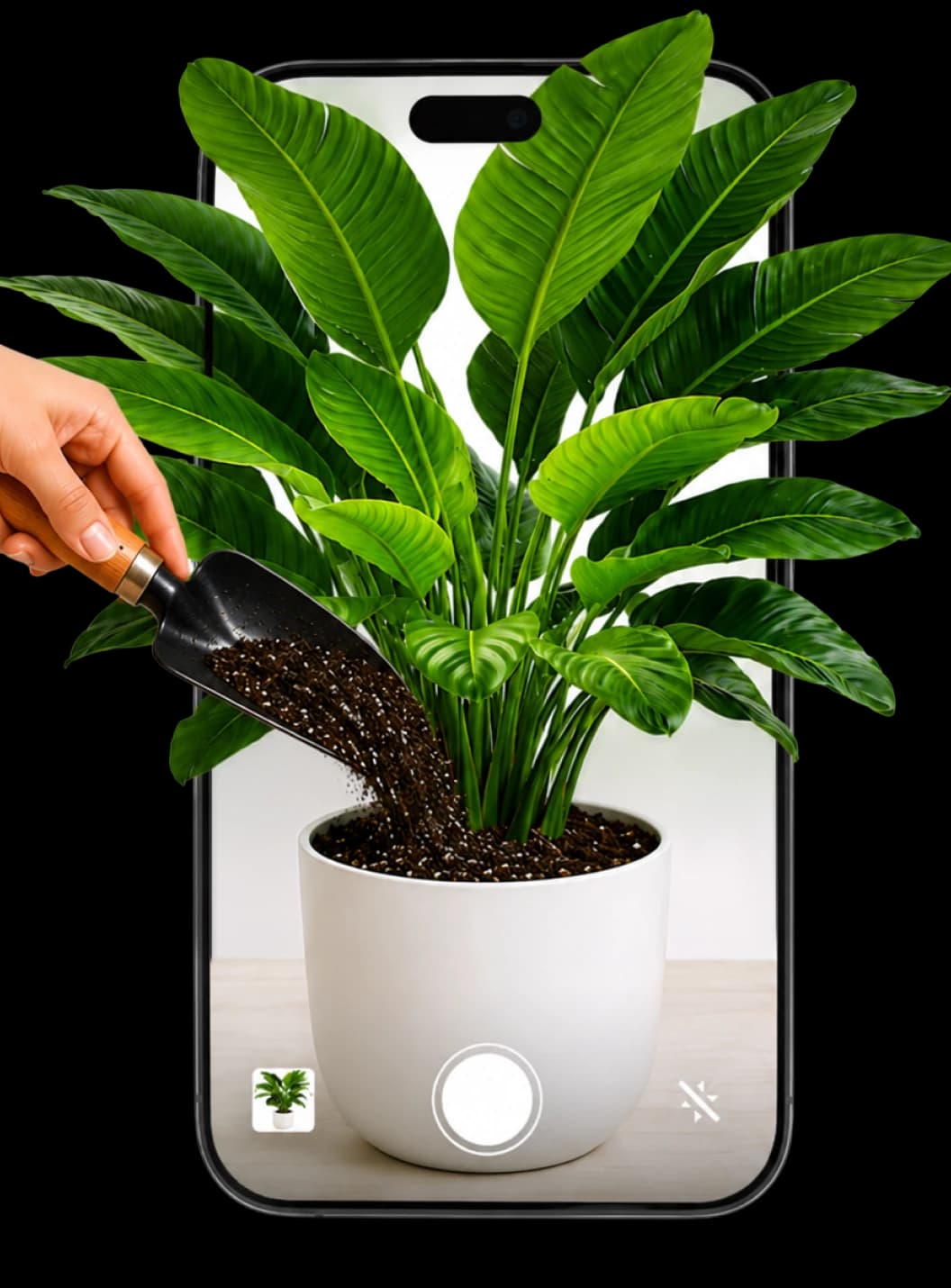
Botan helps match the plant to a suitable soil profile, so it is easier to choose a mix that fits its root habits and container setup.

FAQ

Yes. Drainage holes let excess water leave the container instead of collecting around the roots. That matters more for this species than for many houseplants because soggy conditions can persist in the lower pot.

Everything About Snake plant

More Plant Soil Guides

Check What the Soil Is Doing

If a plant looks off, Botan’s photo-based assessment can help check whether soil conditions may be part of the picture.

Botan app helping with soil and plant care
Plants That Repel Mosquitoes – 10 Effective Choices

8 min read · 6 Jul 2026

Plants That Repel Mosquitoes – 10 Effective Choices

Plants that repel mosquitoes can help mask human scent naturally and make outdoor spaces more comfortable. Explore the most effective options, their benefits and drawbacks, and choose the right plant for your space.

Plant Recommendations

Plants That Repel Mosquitoes – 10 Effective Choices
Banana Peel Water for Plants: 5 Things to Know Before Trying It

5 min read · 9 Jul 2026

Banana Peel Water for Plants: 5 Things to Know Before Trying It

Banana water can provide potassium and some nutrients that may support plant growth, but it is not a universal fix. Use it carefully and only when the plant actually shows signs of nutrient deficiency rather than as a routine treatment.

Plant Care
Banana Peel Water for Plants: 5 Things to Know Before Trying It
How to Mist Plants – Proper Technique and Common Mistakes

7 min read · 30 Jul 2026

How to Mist Plants – Proper Technique and Common Mistakes

Find out when misting works well and when to avoid it. Here, you’ll find detailed information about compatible and incompatible species, tips on how often to mist plants and do it correctly, and some great alternatives for raising humidity.

Beginner Guides
How to Mist Plants – Proper Technique and Common Mistakes