


Best Soil for peperomia (Peperomia pereskiifolia)

A loose, organic-rich, well-drained mix helps Peperomia pereskiifolia maintain healthy roots and steady growth.

Soil Texture

Loamy, Peaty, Organic-rich

Soil pH

Acidic (5.5–6.5), Slightly acidic (6.5–7.0)

Soil Drainage

Well-drained

Peperomia pereskiifolia Soil Guide

Native to tropical parts of the Americas, Peperomia pereskiifolia typically grows in warm, humid settings where roots get steady moisture but still plenty of air. That background explains why peperomia soil should feel organic-rich and lightly moisture-retentive, not dense or soggy.

A loose, loamy substrate with some peat-like softness suits its fine, relatively shallow roots. Good drainage matters because these roots prefer oxygen around them, while the organic content helps hold enough moisture for even growth. Slightly acidic to near-neutral soil is usually the best soil for peperomia.

A simple custom mix gives Peperomia pereskiifolia the balance of moisture retention and airflow it needs in a container.

100% total mix = 20 scoops
10%
fine orchid bark2 scoops
20%
perlite or pumice4 scoops
30%
potting soil6 scoops
40%
peat moss or coco coir8 scoops

The finished blend should feel springy and crumbly, not dense, and excess water should move through it without leaving it soggy.

A slightly acidic to near-neutral range of about 5.5–7.0 suits peperomia well. Within that range, key nutrients stay available without becoming harder for the roots to absorb.

Peperomia pereskiifolia generally handles small shifts within this range, but strongly alkaline or overly acidic conditions can gradually limit nutrient uptake and lead to weaker growth over time.

This species can be sensitive to stale root conditions in containers. A quick soil check often helps catch issues before growth slows for long.

Compaction:

Dense soil that stays tight after watering can limit root air flow, so gently loosen the surface and check whether the mix still feels open below.

Staying wet too long:

If the pot feels heavy for many days and the soil remains damp deep down, improve drying conditions and review whether the container drains freely.

Hydrophobic mix:

If dry soil shrinks from the pot edge or sheds water at first, rewet it gradually and evenly instead of flooding it all at once.

Salt buildup:

A crust on the surface or pot rim may point to mineral accumulation, so flush the mix thoroughly once and monitor how quickly residue returns.

Find the Right Soil

Botan helps match this plant to a more suitable substrate so soil choices are based on its actual growth habit, not guesswork.

FAQ

Yes. Drainage holes help excess water leave the container, which keeps the root zone better aerated and lowers the chance of stagnant conditions in peperomia soil.

More Plant Soil Guides

Wrong Soil? Check It.

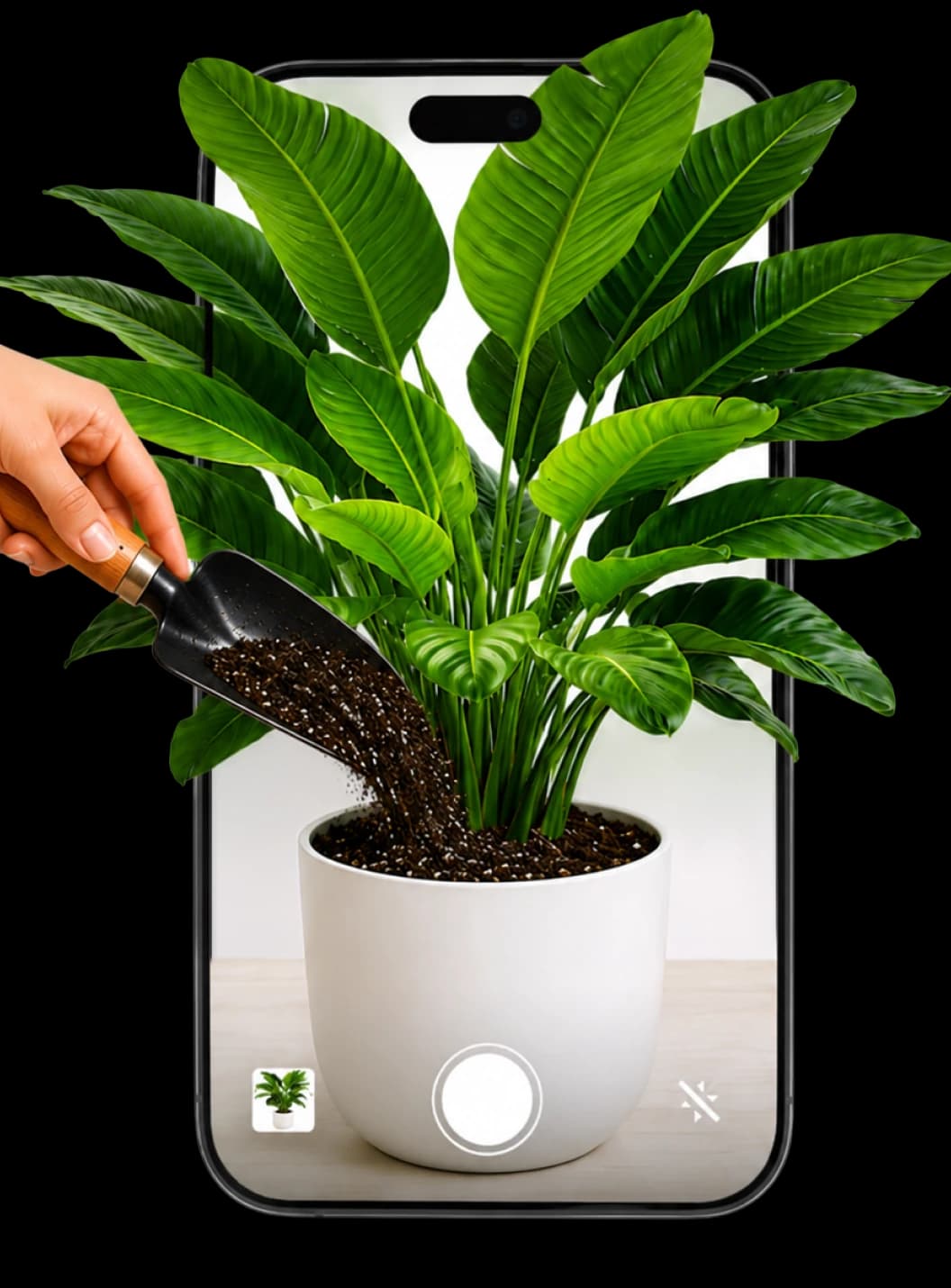
If a plant looks off, Botan can help check whether soil may be part of the issue through a photo-based assessment.

Botan app helping with soil and plant care
Dill Companion Plants – What to Grow Next to Dill

9 min read · 17 Jul 2026

Dill Companion Plants – What to Grow Next to Dill

Dill is an easy-to-grow plant that gets along well with many vegetables. This guide describes 15 plants that can be planted alongside it, a few to avoid, and mistakes that can quietly sabotage the entire process.

Plant Recommendations
Dill Companion Plants – What to Grow Next to Dill
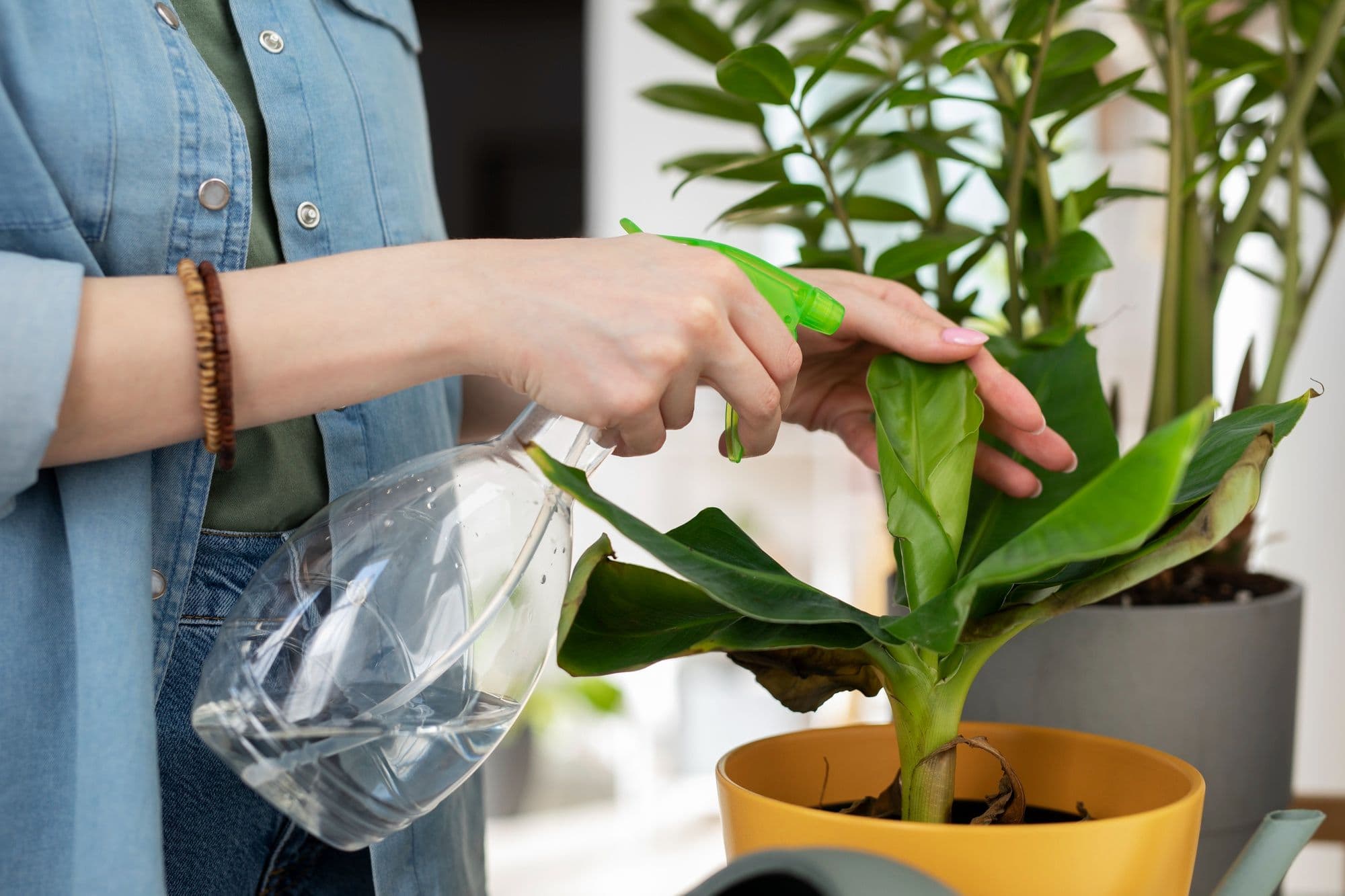
How to Mist Plants – Proper Technique and Common Mistakes

7 min read · 30 Jul 2026

How to Mist Plants – Proper Technique and Common Mistakes

Find out when misting works well and when to avoid it. Here, you’ll find detailed information about compatible and incompatible species, tips on how often to mist plants and do it correctly, and some great alternatives for raising humidity.

Beginner Guides
How to Mist Plants – Proper Technique and Common Mistakes
12 Most Wanted Rare Houseplants to Grow at Home

6 min read · 21 Sept 2026

12 Most Wanted Rare Houseplants to Grow at Home

Rare houseplants can turn an ordinary corner in your apartment into a living botanical collection. This guide covers 12 most admired picks, what makes them special, and how to grow them successfully at home.

Plant Recommendations
12 Most Wanted Rare Houseplants to Grow at Home