





5 min read · 11 Sept 2026
Top 5 Best Indoor Plants for Air Quality
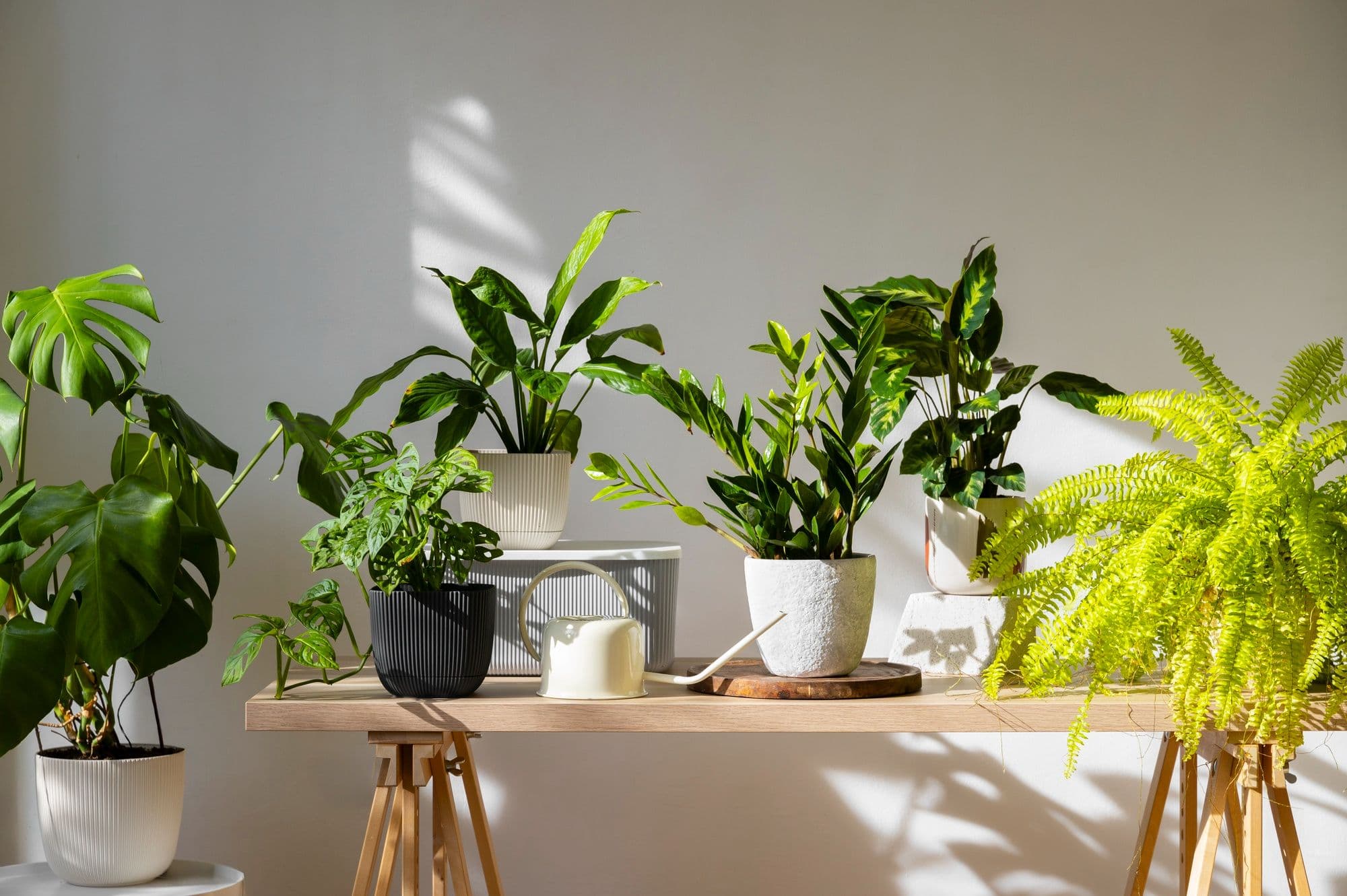
Indoor plants can make a room feel fresher thanks to their air-purifying qualities. Here are 5 of the most suitable choices for your routine and living space.
Plant Recommendations

For Disocactus anguliger, a loose, airy, slightly acidic mix supports healthy roots by balancing drainage with light moisture retention.

Soil Texture
Sandy, Loamy, Organic-rich

Soil pH
Acidic (5.5–6.5), Slightly acidic (6.5–7.0)

Soil Drainage
Well-drained
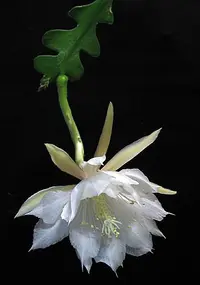
Native to Mexico, Disocactus anguliger grows in humid forests rather than dry desert ground. In habitat, it often anchors in loose pockets of leaf litter and organic debris, with air around the roots and quick drainage after rain.
That background explains the best soil for fishbone cactus: light, airy, and well-drained, but not barren. A sandy-loamy texture with some organic matter helps hold light moisture while still letting oxygen reach the roots. Its roots prefer an open substrate that dries gradually, not heavy soil that stays dense and wet.
A custom mix helps Disocactus anguliger stay evenly aerated without drying into a hard, lifeless mass.
The finished blend should feel springy, chunky, and easy to crumble, with quick runoff and only light moisture staying between particles.
A slightly acidic to near-neutral range of about 5.5–7.0 suits fishbone cactus well. Within that range, key nutrients stay more available to the roots without becoming harder to absorb.
If the mix drifts too far outside that window, nutrient uptake can become less efficient even when the soil itself seems suitable. A mildly acidic reaction is generally the most reliable target.
This species handles airy media better than dense, slow-drying material. When root conditions stay off for too long, growth often becomes less steady.
If the surface hardens and water stops moving through evenly, gently loosen only the top layer and plan to replace the medium with a more open one.
If the container feels heavy for many days and the mix smells stale, move the plant into a faster-draining setup and check that excess water can exit freely.
As organic material ages, particles become smaller and hold more moisture, so refresh the mix when it starts feeling dense or muddy.
A crust on the soil surface or pot rim can point to mineral accumulation, so flush thoroughly once and review water quality if residue returns.

Plant Soil Guide
Find the right soil mix for your plant and support healthier root growth
Botan helps match this plant to a more suitable growing medium, so soil choices are based on its actual growth habit, not guesswork.
Yes. Drainage holes let excess water leave the pot, which helps the root zone stay better aerated and lowers the chance of sour, stagnant conditions in fishbone cactus soil.
If a plant looks off, soil may be one factor to check. Botan’s photo-based assessment can help spot patterns worth reviewing.
5 min read · 11 Sept 2026
Indoor plants can make a room feel fresher thanks to their air-purifying qualities. Here are 5 of the most suitable choices for your routine and living space.
8 min read · 31 Aug 2026
Good plant grouping can mean the difference between a well-planned garden and one that looks sloppy. This guide explores layers, spacing, cluster shapes, and the plants that thrive when you group them.

5 min read · 9 Jul 2026
Banana water can provide potassium and some nutrients that may support plant growth, but it is not a universal fix. Use it carefully and only when the plant actually shows signs of nutrient deficiency rather than as a routine treatment.