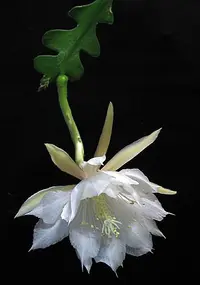




fishbone cactus (Disocactus anguliger) Light Needs

The fishbone cactus grows best in bright, indirect light, with a little gentle morning sun if acclimated.

Light Preference

Bright Indirect Light

Disocactus anguliger Light Requirements

Disocactus anguliger is an epiphytic cactus from humid forest habitats in Mexico, where it grows attached to trees rather than in exposed desert ground. Its stems receive broken, filtered light through the canopy, with brighter seasonal light near forest edges or higher branches. This background explains why cultivated plants tolerate some shade but grow best away from harsh open sun. Its preferred light is bright, indirect or filtered light.

  • Ideal exposure:

    Ideal exposure: Disocactus anguliger needs about 6–8 hours of bright, indirect or filtered light daily, including up to 1–2 hours of gentle direct morning sun.

  • Direct sun:

    Brief early sun is tolerated, but full sun and hot afternoon rays are risky.

  • Lower light:

    Shade is tolerated better than harsh sun, but weak light reduces growth quality and flowering.

  • Best timing:

    Morning sun is safer than afternoon sun because it is cooler and less likely to scorch stems.

Indoors, this plant does best near bright windows without long exposure to hot direct sun.

NConditional
North-facing window:

A north-facing window can work only if it is bright, unobstructed, and close enough to provide steady daytime light.

EBest
East-facing window:

An east-facing window is often ideal because it gives soft morning sun and bright indirect light later in the day.

SConditional
South-facing window:

A south-facing window is suitable if the plant sits a few feet back or direct rays are softened with a sheer curtain.

WConditional
West-facing window:

A west-facing window needs filtering or distance from the glass because strong afternoon sun can mark the flat stems.

Choose the brightest placement that keeps direct sun gentle, brief, or filtered.

Excess light usually shows on the exposed side first.

Bleached patches:

Flat stem sections may develop pale yellow or whitish areas after sudden stronger sun.

Tan scorch:

Dry tan marks can appear where direct rays hit through glass, especially in hot afternoon exposure.

Red stress tint:

A reddish or bronze cast can signal strong light stress when it appears quickly and unevenly.

Surface dullness:

Disocactus anguliger may look washed out rather than rich green when light is too intense for its current position.

Move it out of direct afternoon sun and into bright filtered light. If the plant was recently moved, reduce exposure first, then increase brightness gradually.

Low light usually affects new growth before older stems. The change can be slow, so compare new growth with older growth.

  • Stretched segments:

    New stems may grow longer, narrower, and less deeply lobed as the plant reaches for light.

  • Leaning growth:

    Stems often angle toward the brightest side of the room instead of hanging evenly.

  • Reduced flowering:

    Disocactus anguliger is less likely to set buds when light stays weak during the growing season.

  • Small new growth:

    Fresh sections may emerge thinner or smaller than normal, even during warm months.

Move the plant to brighter indirect light, but avoid a sudden jump into hot sun. Gradual increases help the stems adjust without scorch.

If ideal brightness is not available, choose the brightest spot that avoids hot direct rays; a slightly shadier placement is safer than several hours of harsh sun.

Rotate the pot every 2–3 weeks during active growth so new stems do not all lean toward one side.

A dark shelf far from natural light is not a suitable setup, because the plant may survive but grow weakly and flower poorly.

Get Personalized Care Plan

Scan your plant to receive care tips personalized for your specific plant

FAQ

The best light for fishbone cactus is bright, indirect or filtered light for most of the day. A little gentle morning sun is acceptable when the plant is acclimated.

Everything About fishbone cactus

More Plant Light Guides

Get the Botan App

Discover how to care for your plants with Botan.

Botan app identifying a plant with a phone camera
Can Plants Grow With Artificial Light?

6 min read · 15 Sept 2026

Can Plants Grow With Artificial Light?

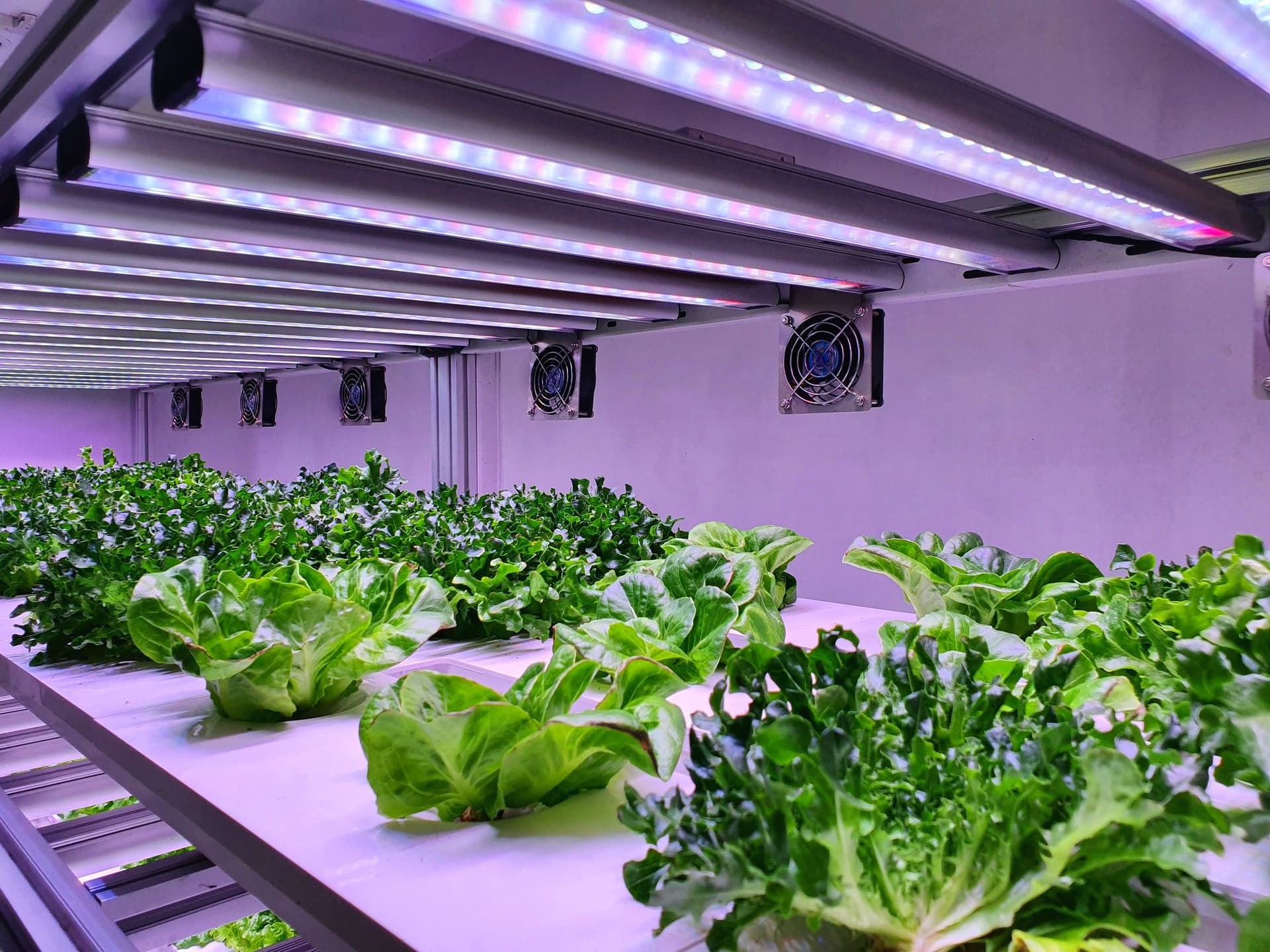
Plants can grow under artificial light when the setup provides a suitable spectrum, enough intensity, and sufficient daily exposure. This guide explains how artificial lighting compares with sunlight, which options work indoors, and how to match a setup to houseplants.

Plant Care
Can Plants Grow With Artificial Light?
Dill Companion Plants – What to Grow Next to Dill

9 min read · 17 Jul 2026

Dill Companion Plants – What to Grow Next to Dill

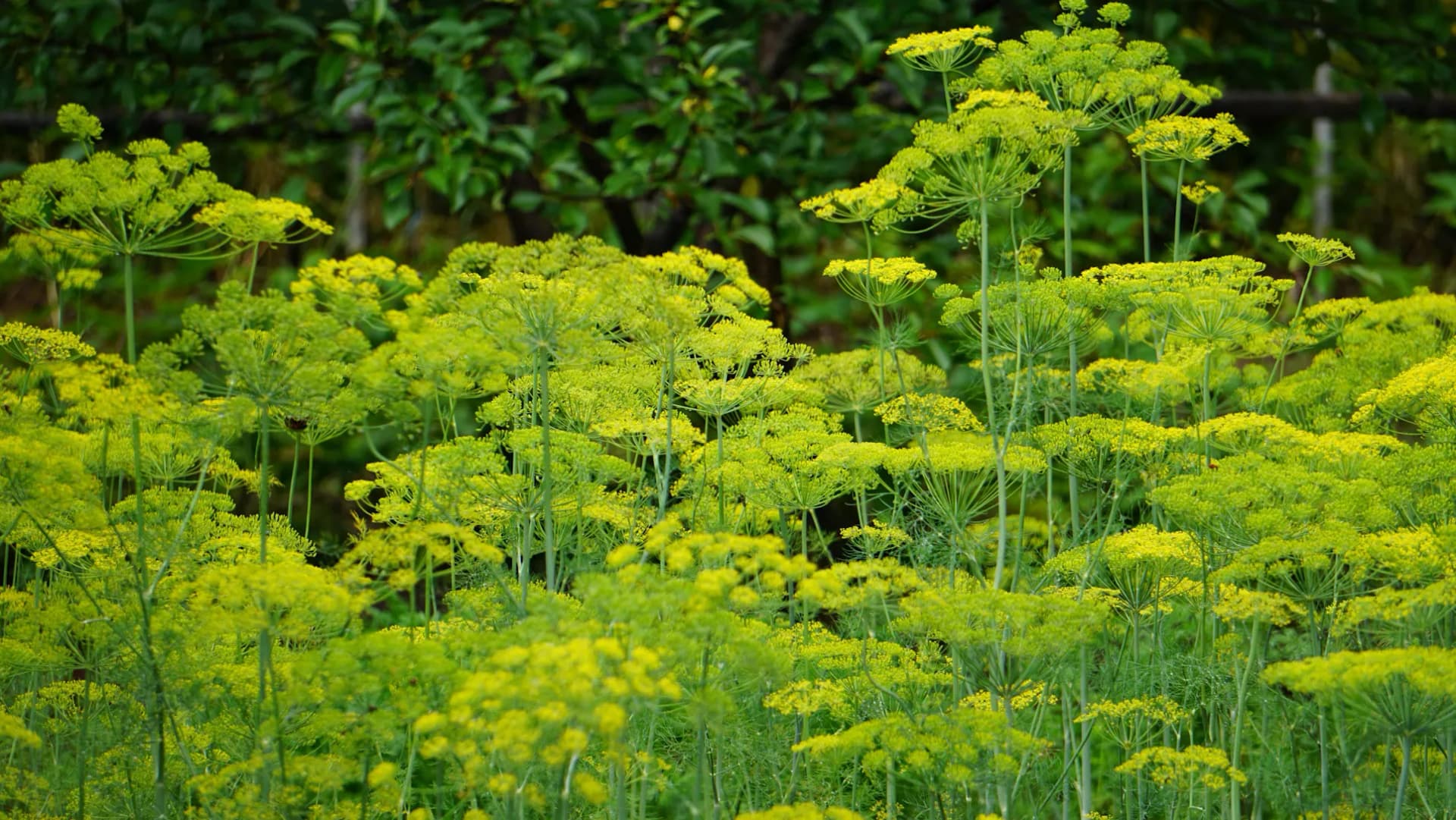
Dill is an easy-to-grow plant that gets along well with many vegetables. This guide describes 15 plants that can be planted alongside it, a few to avoid, and mistakes that can quietly sabotage the entire process.

Plant Recommendations
Dill Companion Plants – What to Grow Next to Dill
How to Winterize Your Garden in 6 Steps

5 min read · 28 Sept 2026

How to Winterize Your Garden in 6 Steps

Learn how to prepare your garden for winter with a practical six-step checklist covering cleanup, tender plant care, watering, mulching, winter protection, and winterizing equipment and containers.

Plant Care
How to Winterize Your Garden in 6 Steps