



7 min read · 24 Aug 2026
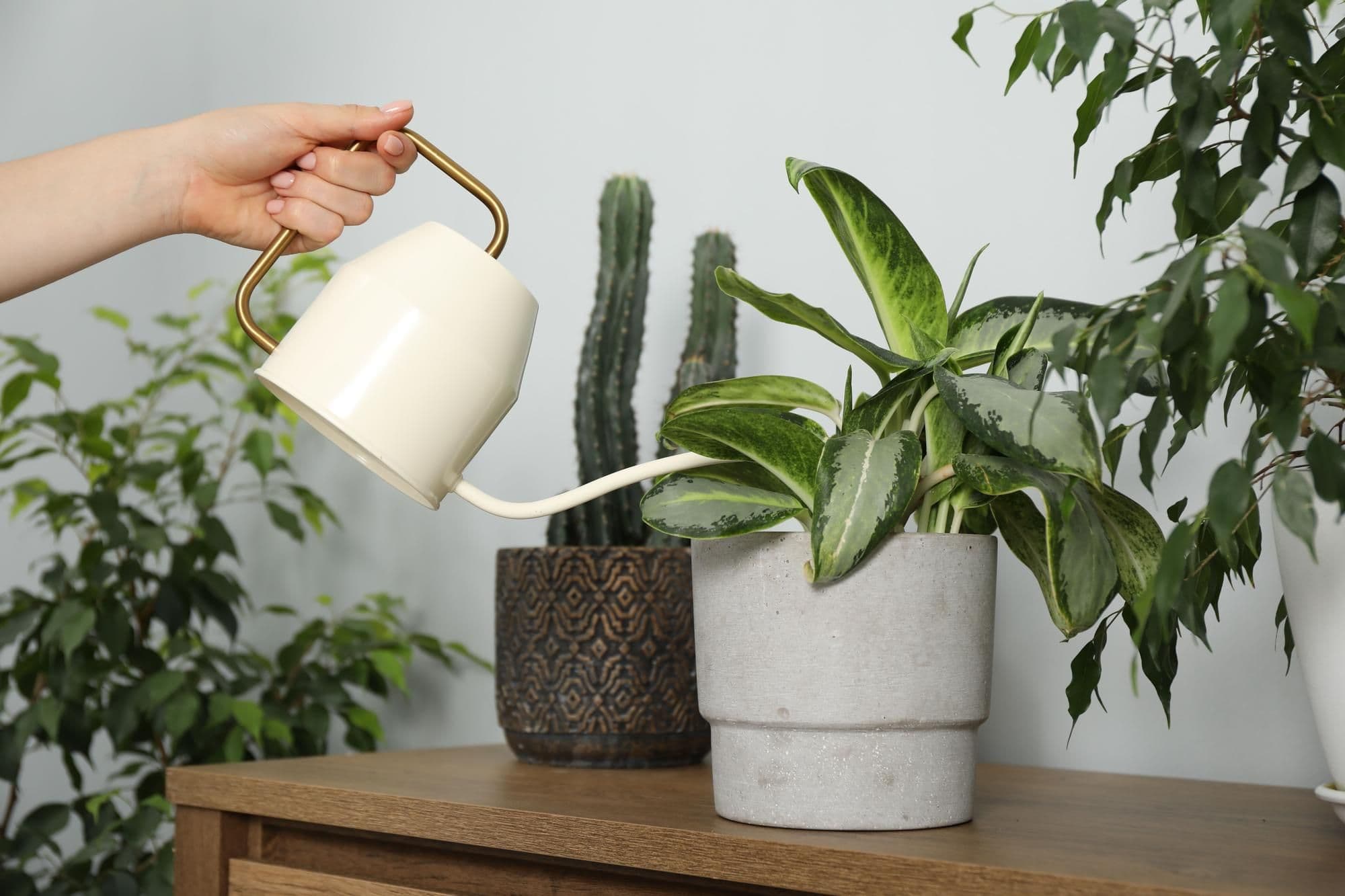
How to Water Houseplants: Watering Guide
Learn how often to water indoor plants, key factors for proper watering, and how to adjust the care routine by plant type, season, pot size, light, and indoor conditions.
Plant Care

Cape sundew grows best with 6–8 hours of bright light daily, including several hours of direct sun.

Light Preference
Full Sun
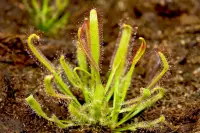
Drosera capensis is native to South Africa’s Cape region, where it grows in wet, open sites such as marshy seepages and stream edges. These habitats often receive strong sun, though nearby grasses and moisture-loving vegetation can create brief filtered light.
This background explains why cultivated plants perform best in very bright conditions rather than shade. Preferred light is full sun to partial sun.
Cape sundew needs about 6–8 hours of bright light daily, ideally full sun or partial sun, including 4–6 hours of direct sun.
Mature, acclimated plants tolerate full sun well, especially outdoors or in very bright indoor exposures.
Strong afternoon sun through glass can overheat leaves if the plant was grown in softer light.
Shade is not suitable; growth usually weakens when direct sun is absent for long periods.
Indoors, place this plant where it receives the strongest safe light available for several hours each day.
A north-facing window is usually too dim unless it is exceptionally bright and unobstructed.
An east-facing window is suitable if it gives several hours of clear morning sun and bright light afterward.
A south-facing window is usually best, with the pot close to the glass and light filtered only during intense heat.
A west-facing window can work if afternoon rays are filtered or the plant is set back 1–2 ft during hot weather.
Increase exposure gradually after moving the plant from a dimmer position.
Excess light stress usually follows a sudden move into harsher sun.
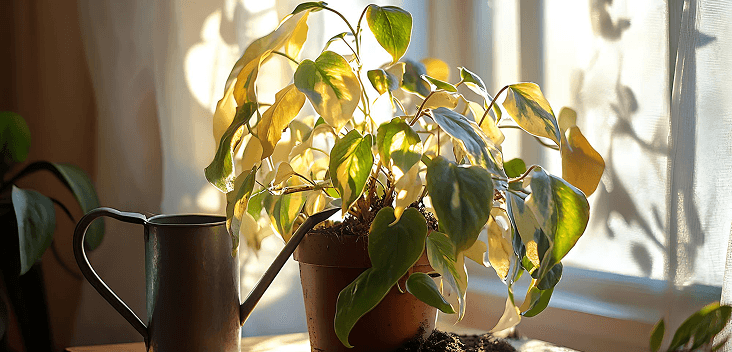
Pale tan or whitish areas on exposed leaves can appear where direct sun is strongest.
Sticky droplets may shrink and tentacle tips may look dry after intense heat through glass.
Leaf tips can darken quickly when Drosera capensis is moved from soft light into full midday sun.
New growth may emerge shorter or curl down when light and heat rise too abruptly.
Move the plant out of the hottest afternoon rays or add a sheer filter. Keep the new exposure steady, then increase sun gradually once new growth looks normal.
Weak light shows most clearly in new growth. The plant may stay alive for a while, but vigor declines.
New leaves may grow longer and narrower as they reach toward the light source.
Rosettes often tilt toward the brightest side instead of staying evenly upright.
Tentacles may stay mostly green, and the plant can look less richly colored in weak light.
Sticky droplets may be sparse because Drosera capensis is not receiving enough energy for active growth.
Flower stalks may be delayed or absent during the growing season.
Move it to a brighter position with direct morning sun or stronger full-day brightness. Make the change over several days if the current spot is very dim.
When ideal sun is limited, choose the brightest available position and give the plant some direct morning sun instead of weak all-day shade.
Rotate the pot a quarter turn every week so new leaves receive even exposure. Add a sheer curtain only if glass-amplified afternoon sun causes scorch patterns.
A dark shelf several feet from any light source is unsuitable because the plant cannot produce compact, sticky growth there.
Light Care Advice
Learn what light your plant needs and avoid common lighting mistakes
Scan your plant to receive care tips personalized for your specific plant
The best light for Cape sundew is full sun to partial sun, with about 6–8 hours of bright exposure daily and several hours of direct sun when possible.
Discover how to care for your plants with Botan.
7 min read · 24 Aug 2026
Learn how often to water indoor plants, key factors for proper watering, and how to adjust the care routine by plant type, season, pot size, light, and indoor conditions.
6 min read · 15 Sept 2026
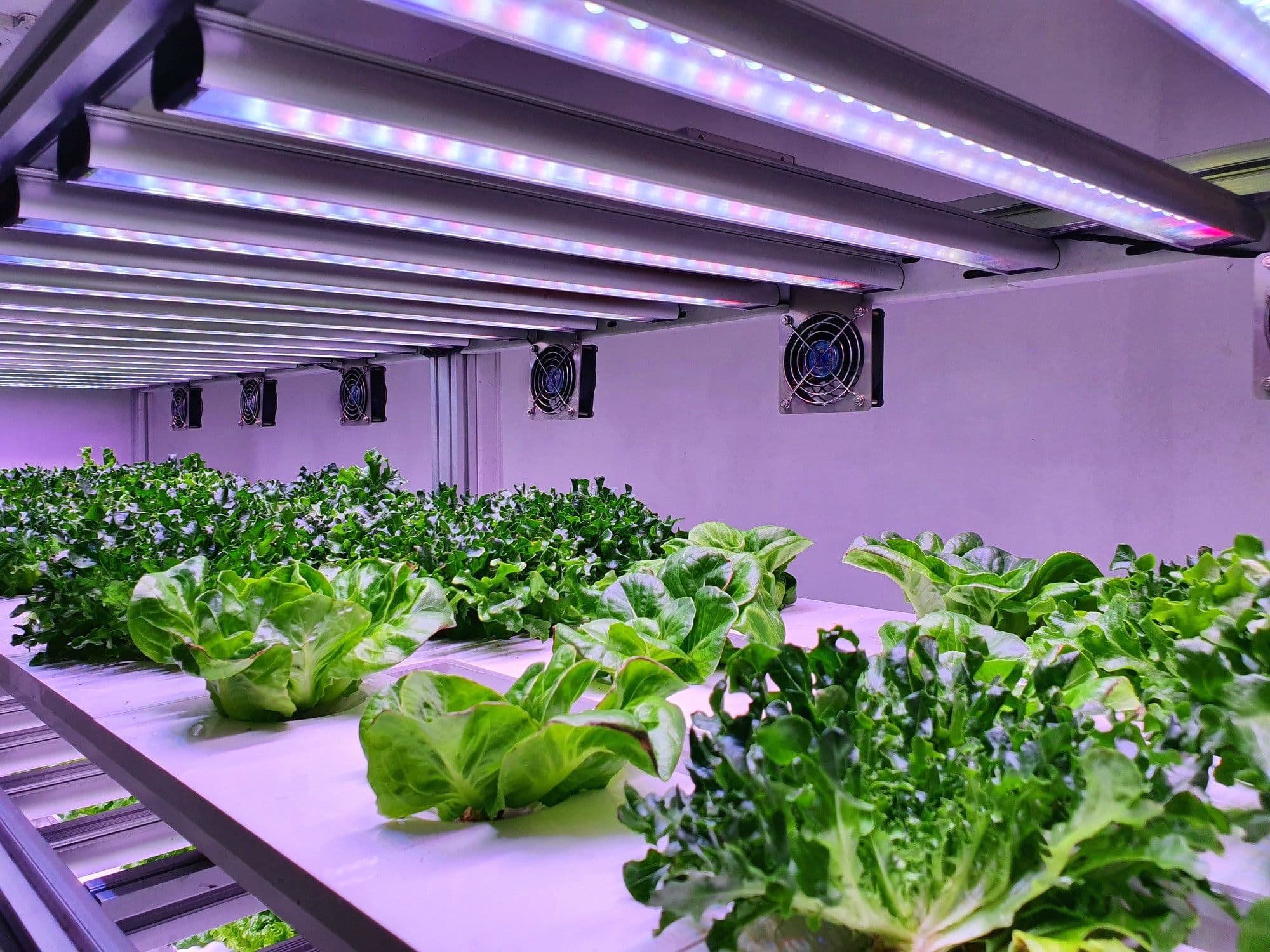
Plants can grow under artificial light when the setup provides a suitable spectrum, enough intensity, and sufficient daily exposure. This guide explains how artificial lighting compares with sunlight, which options work indoors, and how to match a setup to houseplants.
6 min read · 19 Aug 2026
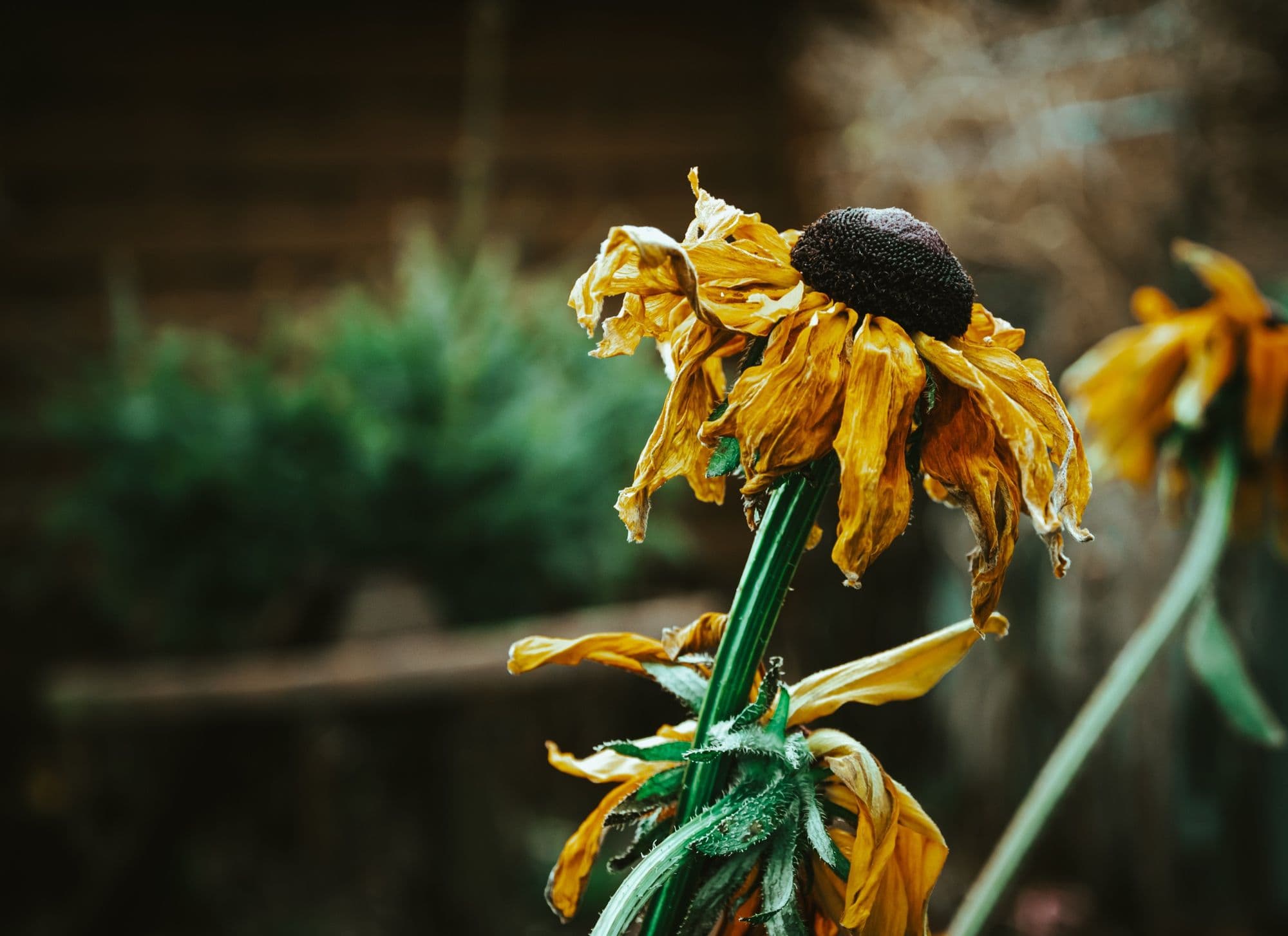
A plant can lose its leaves, stop growing, or collapse and still remain alive. A closer look at the stems, roots, bulbs, and tubers can show whether the plant still has a chance to recover.