


Lily (Lilium 'Black Beauty') Light Needs

Lily grows best in full sun, with partial sun acceptable where afternoon heat is strong.

Light Preference

Full Sun

Lilium 'Black Beauty' Light Requirements

As a cultivated hybrid, Lilium 'Black Beauty' does not have a single native range. Its growth habit reflects ancestry from open slopes, woodland edges, and sunny meadow-like sites where stems receive strong seasonal light while roots stay cooler in the soil.

In gardens, that translates to strong outdoor light during active growth, with some afternoon relief in hot climates. Preferred light is full sun to partial sun.

  • Ideal exposure:

    Lilium 'Black Beauty' needs about 6–8 hours of full sun or bright partial sun daily, including 4–6 hours of direct sun when conditions are not extremely hot.

  • Full sun tolerance:

    Established plants usually handle 6+ hours of direct sun, especially where air circulation is good and the root zone stays cooler.

  • Hot afternoon sun:

    In hot inland areas, morning sun with light afternoon shade reduces the risk of flower fading and leaf scorch.

  • Low light limit:

    A few hours of sun is tolerated, but shade produces weaker stems and fewer blooms.

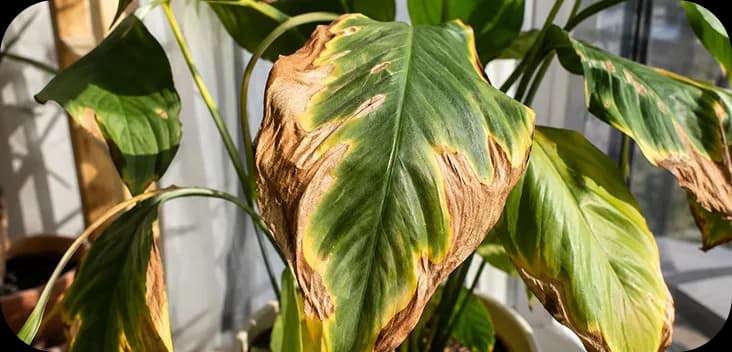
Excess light is most likely during hot, harsh afternoon exposure or after a sudden move into full sun.

Bleached patches:

Pale tan or whitish areas may appear on exposed leaves or petals, especially on the sun-facing side.

Papery spots:

Thin, dry patches on upper leaves can follow intense midday sun and do not turn green again.

Faded flowers:

Blooms may fade faster or look washed out when heat and direct sun are strongest.

Soft bud stress:

Developing buds may shrivel after repeated hot exposure, though pests and dryness can cause similar symptoms.

Move the container or choose a bed with morning sun and light afternoon shade. For in-ground plants, use temporary shade cloth during heat waves while new growth adjusts.

Low light usually shows during active spring and summer growth. The plant may stay alive, but flowering quality declines.

  • Stretched stems:

    Stems may grow taller, thinner, and less sturdy as they reach toward stronger light.

  • Leaning growth:

    Shoots may angle noticeably toward the brightest side instead of standing evenly upright.

  • Fewer blooms:

    Lilium 'Black Beauty' may produce fewer buds or smaller flowers when light is consistently weak.

  • Wider spacing:

    Leaves may sit farther apart along the stem, giving the plant a sparse look.

  • Slow growth:

    New growth may be smaller than expected during the normal growing season.

Shift the plant to a sunnier outdoor position with several hours of direct sun. Make the change gradually if the new site is much brighter.

If ideal full sun is not available, choose the brightest site that gets morning sun and open sky for the rest of the day. Avoid deep shade, because it usually reduces flowering.

Keep nearby growth from casting heavy shade over emerging stems, and rotate containers every 1–2 weeks so all sides receive similar light.

Use light afternoon shade in very hot sites rather than moving the plant into a dim corner.

Get Personalized Care Plan

Scan your plant to receive care tips personalized for your specific plant

FAQ

For Lily light requirements, aim for full sun to bright partial sun outdoors. The strongest results usually come from about 6–8 hours of daily light during active growth.

Everything About Lily

More Plant Light Guides

Get the Botan App

Discover how to care for your plants with Botan.

Botan app identifying a plant with a phone camera
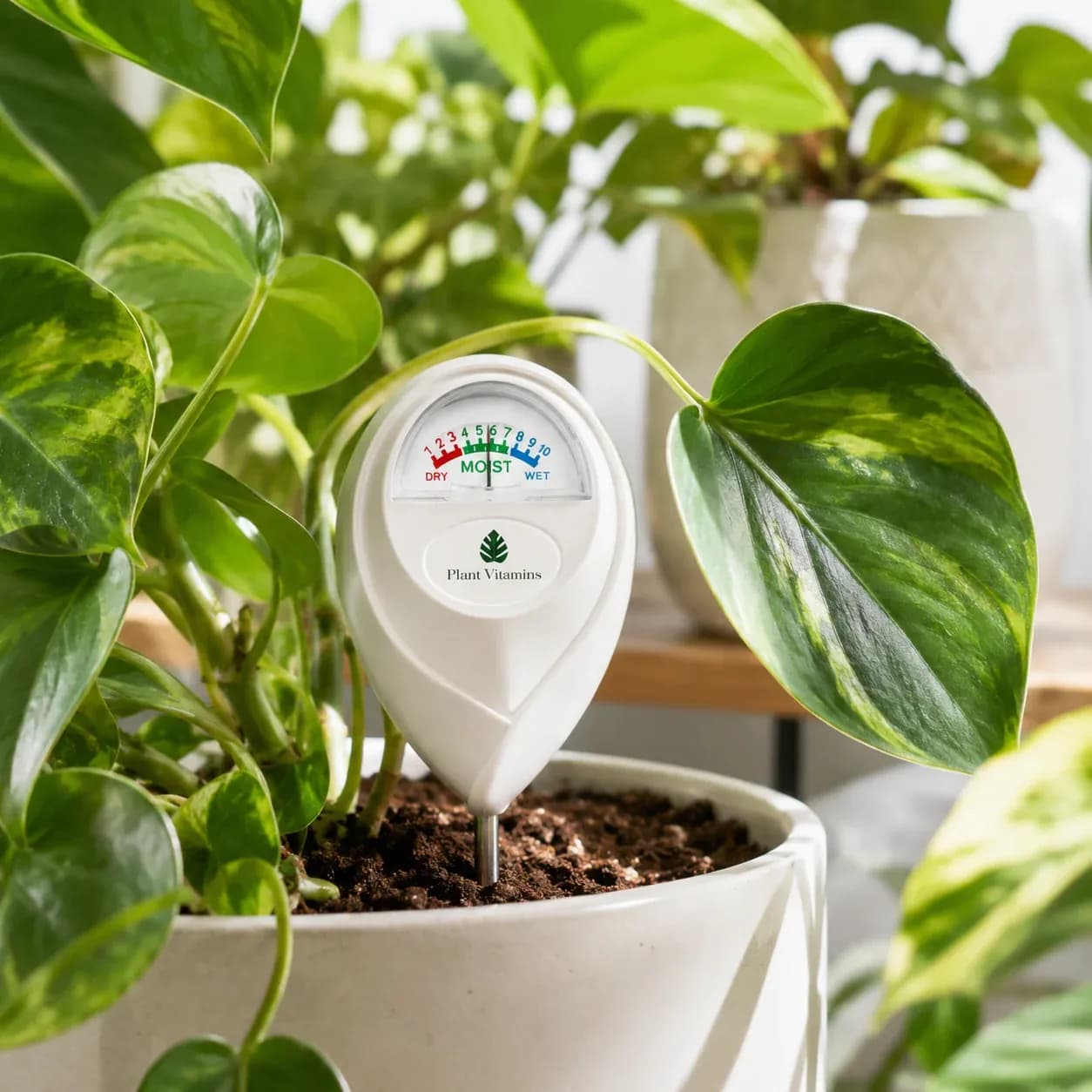
How to Use a Moisture Meter for Plants

5 min read · 4 Sept 2026

How to Use a Moisture Meter for Plants

Watering by feel kills plenty of houseplants. A moisture meter checks the soil for you, and takes the guesswork out of it. This guide will show you how to use it correctly, from the first touch to the final reading.

Beginner Guides

How to Use a Moisture Meter for Plants
Frozen vs Fresh Vegetable Nutrients: Which Option Is Healthier?

6 min read · 8 Sept 2026

Frozen vs Fresh Vegetable Nutrients: Which Option Is Healthier?

Frozen and fresh vegetables are nutritionally comparable: frozen produce often retains vitamins just as well as fresh and may sometimes contain more. Here’s how blanching and storage affect nutrients—and when to choose each.

Plant Recommendations
Frozen vs Fresh Vegetable Nutrients: Which Option Is Healthier?
Plant Pot Sizes: How to Choose the Right Plant Container

7 min read · 20 Aug 2026

Plant Pot Sizes: How to Choose the Right Plant Container

Plant pot sizes can be confusing because the number on the label only tells you part of the required information. A container may look spacious but actually be too shallow. So, how to choose pot size for plant species?

Beginner Guides
Plant Pot Sizes: How to Choose the Right Plant Container