


Dahlia (Dahlia 'Thomas A. Edison') Light Needs

Dahlia grows best in full sun, with at least 6 hours of direct light daily.

Light Preference

Full Sun

Dahlia 'Thomas A. Edison' Light Requirements

The ancestors of modern Dahlia cultivars come from open, sunny mountain habitats in Mexico and Central America, where the growing season brings strong light, warm days, and cooler nights. They are adapted to direct sun rather than deep shade, though intense heat can make afternoon protection useful in hot gardens. Cultivated Dahlia 'Thomas A. Edison' follows the same pattern. Preferred light is full sun.

  • Ideal exposure:

    Dahlia 'Thomas A. Edison' needs about 6–8 hours of full sun daily, including at least 6 hours of direct sun.

  • Full sun tolerance:

    Established plants tolerate full sun well when introduced gradually and grown where air moves freely around the foliage.

  • Partial sun limit:

    Partial sun is tolerated, but fewer than 4–5 direct-sun hours usually means weaker stems and fewer blooms.

  • Hot afternoon sun:

    In very hot regions, morning sun with light afternoon protection can reduce scorch while keeping enough light for flowering.

Dahlia 'Thomas A. Edison' can take full sun, but abrupt or extreme exposure may cause stress.

Bleached leaf patches:

Pale tan areas may appear on exposed leaves after sudden placement in harsh sun.

Crisp petal edges:

Flower petals may brown or dry at the edges during intense afternoon exposure.

Faded blooms:

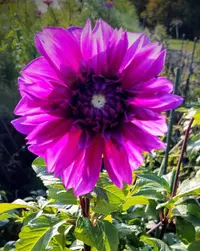
Strong heat and direct sun can make dark flowers look washed out sooner.

Midday flagging:

Temporary drooping during the brightest heat can point to sun and heat stress when leaves recover by evening.

Move containers to a site with morning sun and light afternoon shade, or add shade cloth during the hottest hours. Acclimate any plant grown in lower light before returning it to full sun.

Dahlia 'Thomas A. Edison' shows low-light stress most clearly during active growth and bud formation.

  • Stretched stems:

    New stems may grow taller and thinner as they reach toward stronger light.

  • Leaning growth:

    The whole plant may angle toward the brightest side instead of staying evenly upright.

  • Wider spacing:

    Leaves and buds may form farther apart along the stems, giving the plant an open look.

  • Poor flowering:

    Buds may be fewer, smaller, or slower to open when direct sun is limited.

Shift it to a brighter, open site with several more hours of direct sun. Increase exposure over a few days if the move is a large change.

Choose the brightest open spot available if ideal full sun is limited, and prioritize morning sun over weak late-day shade.

In hot climates, use light afternoon shade during the hottest hours to protect flowers without removing the main sun exposure.

Rotate container-grown plants weekly to keep stems growing evenly. Deep shade is unsuitable because it reduces flowering and encourages weak, stretched growth.

Get Personalized Care Plan

Scan your plant to receive care tips personalized for your specific plant

FAQ

This plant grows best in full sun, with about 6–8 hours of direct light per day. Partial sun is tolerated, but flowering is usually stronger with more direct exposure.

More Plant Light Guides

Get the Botan App

Discover how to care for your plants with Botan.

Botan app identifying a plant with a phone camera
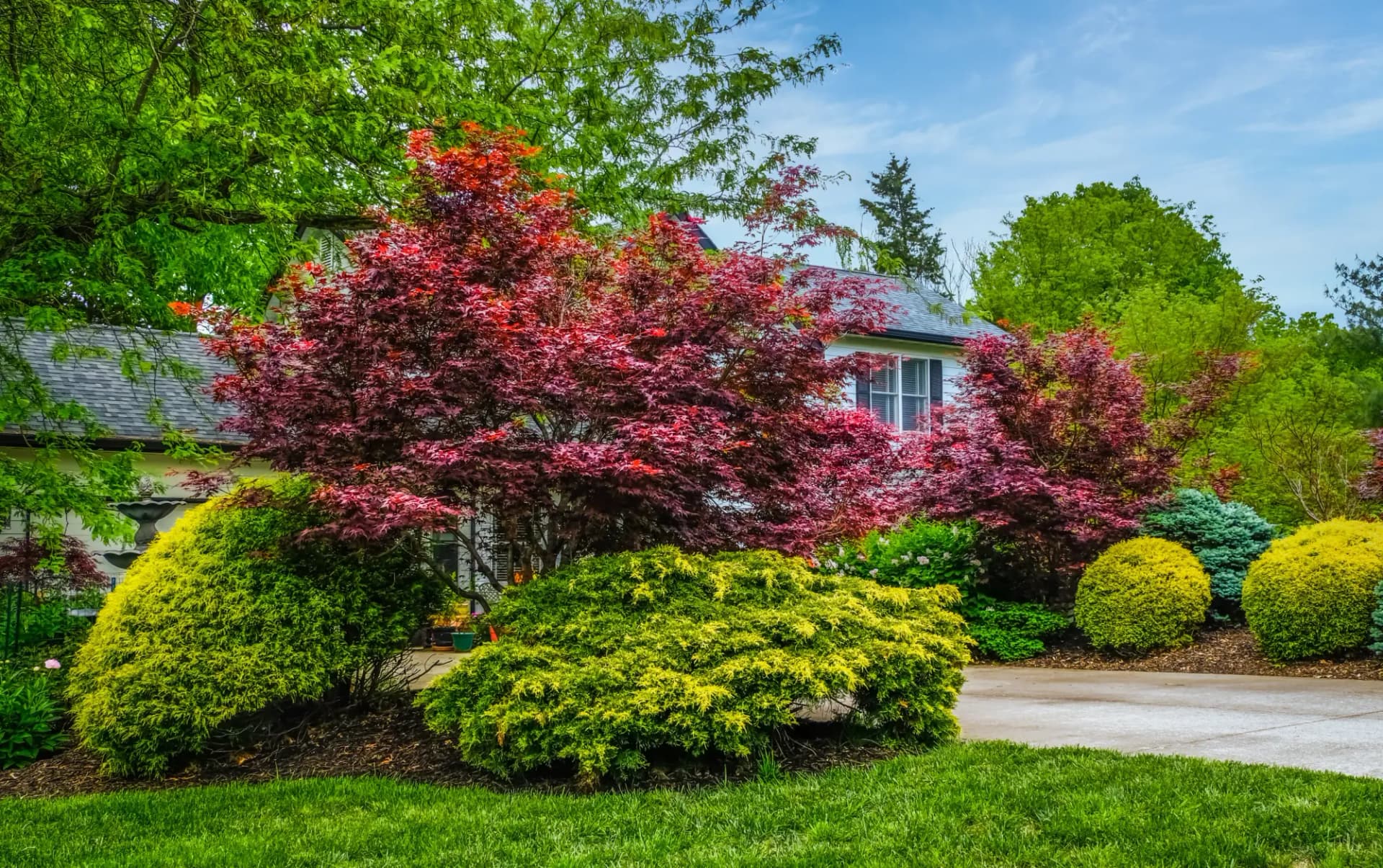
13 Best Front Yard Trees for Every Home and Yard

12 min read · 7 Aug 2026

13 Best Front Yard Trees for Every Home and Yard

A front yard tree can stay for decades. Therefore, choosing one deserves serious consideration. Here are 13 trees that have proven themselves, sorted by their purpose. You'll also find five species to avoid and basic planting information.

Plant Recommendations
13 Best Front Yard Trees for Every Home and Yard
How Long Can Flowers Go Without Water? Everything You Need to Know

6 min read · 10 Jul 2026

How Long Can Flowers Go Without Water? Everything You Need to Know

Flowers can survive without water anywhere from 1-2 hours to several months, depending on the plant type, species, and growing conditions. Some strong-looking flowers are drought-sensitive, while delicate-looking plants may tolerate long dry periods surprisingly well.

Plant Care
How Long Can Flowers Go Without Water? Everything You Need to Know
Best Fertilizer for Grass in Summer: How to Choose the Right One

6 min read · 18 Aug 2026

Best Fertilizer for Grass in Summer: How to Choose the Right One

The right fertilizer in summer can make a lawn thrive. The wrong one can damage it. Here, you’ll learn the best NPK ratios by grass type, when and how to apply your formula, and how to recognize the signs of over- or under-fertilizing.

Plant Care
Best Fertilizer for Grass in Summer: How to Choose the Right One