



Hosta (Hosta 'Blue Angel') Light Needs

Hosta grows best in partial shade with bright filtered light and limited gentle morning sun.

Light Preference

Partial Shade

Hosta 'Blue Angel' Light Requirements

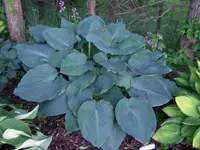
Hosta cultivars are grown from woodland-type perennials that naturally suit sheltered ground, forest edges, and bright gaps rather than open, all-day sun. Their broad leaves capture gentle light well, but the blue surface coating is easily dulled by harsh exposure. In cultivation, this translates to shade with some brightness, not deep darkness. Preferred light is partial shade with filtered light.

  • Ideal exposure:

    Hosta 'Blue Angel' needs about 4–6 hours of filtered light or partial shade daily, including up to 1–2 hours of gentle direct morning sun.

  • Direct sun limit:

    Soft morning sun is tolerated, but full sun and hot afternoon sun are risky.

  • Shade tolerance:

    Light to moderate shade is suitable, especially where summers are hot.

  • Afternoon protection:

    Filtered overhead light or open shade helps protect the blue leaf coating from fading and scorch.

Strong sun usually shows first on the most exposed leaves.

Bleached patches:

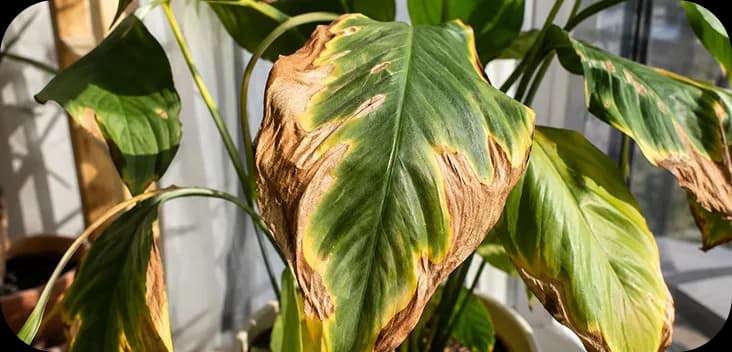
Sun-exposed leaves may develop pale, washed areas where the blue coating has broken down.

Papery scorch:

Tan, dry patches can form on the upper leaf surface after harsh afternoon sun.

Faded color:

The blue tone may shift toward dull green faster when light is too intense.

Afternoon collapse:

Leaves may droop during hot bright periods, then look better once shade returns.

Move Hosta 'Blue Angel' to open shade or morning-only sun. If it is planted in the ground, add temporary shade while choosing a better protected site.

Hosta 'Blue Angel' tolerates shade, but very low light can reduce vigor during the growing season.

  • Stretched growth:

    Leaf stems may become longer and more upright as the plant reaches toward brighter areas.

  • Smaller leaves:

    New leaves may mature smaller than expected, even when the plant is otherwise established.

  • Weak flowering:

    Flower stems may be fewer or less vigorous in very dim shade.

  • Thin clump:

    The plant may add fewer new shoots, leaving the clump open rather than full.

Move it gradually into brighter open shade or a spot with gentle morning sun. Avoid shifting from deep shade straight into harsh sun.

Choose open shade or a site with early morning sun when ideal partial shade is limited. Place the crown where buildings, fences, or taller landscape features block hot afternoon rays.

Use a shade cloth or nearby structure to soften strong summer sun. Rotate container-grown plants occasionally so new growth does not lean toward one brighter side.

Full, exposed sun is an unsuitable setup because the blue leaf surface can fade and scorch. Dense, dark shade is also a poor choice because growth becomes weaker.

Get Personalized Care Plan

Scan your plant to receive care tips personalized for your specific plant

FAQ

The best light for Hosta is partial shade with bright filtered light and limited gentle morning sun. Avoid hot afternoon sun, especially in warm climates or exposed garden beds.

Everything About Hosta

More Plant Light Guides

Get the Botan App

Discover how to care for your plants with Botan.

Botan app identifying a plant with a phone camera
How To Revive a Dying Plant: 6 Steps To Bring A Plant Back To Life

6 min read · 1 Sept 2026

How To Revive a Dying Plant: 6 Steps To Bring A Plant Back To Life

Drooping leaves and brown tips don't always mean the end, and a weakened plant can often recover with a little help. These six simple steps will help you revive a dying plant and restore its health.

Plant Care
How To Revive a Dying Plant: 6 Steps To Bring A Plant Back To Life
13 Best Front Yard Trees for Every Home and Yard

12 min read · 7 Aug 2026

13 Best Front Yard Trees for Every Home and Yard

A front yard tree can stay for decades. Therefore, choosing one deserves serious consideration. Here are 13 trees that have proven themselves, sorted by their purpose. You'll also find five species to avoid and basic planting information.

Plant Recommendations
13 Best Front Yard Trees for Every Home and Yard
Best Water for Plants – How to Choose the Right Type

7 min read · 13 Aug 2026

Best Water for Plants – How to Choose the Right Type

Rainwater, filtered, distilled, and tap water affect plants differently. Learn which types support healthy growth and which cause slow damage. Match each to your plants and discover how to easily improve tap water quality.

Plant Care
Best Water for Plants – How to Choose the Right Type