Hosta Care (Hosta 'Blue Angel')

Hosta

About Hosta

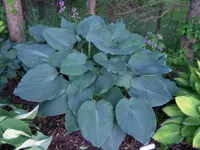
Hosta 'Blue Angel' is a large, clumping perennial grown mainly for its bold, blue-green foliage rather than flowers. It forms broad, heart-shaped leaves that create a dense, mounded shape, giving strong structure to shaded beds and borders.

Hostas originate from woodland habitats in East Asia, so this cultivar prefers cool roots, consistent moisture, and protection from harsh sun. Its reliable growth and strong shade tolerance make it one of the easier large hostas to manage once established, provided slugs and snails are controlled. Many gardeners choose it when they want to learn how to care for Hosta in a simple, forgiving way.

Main Plant Requirements

Care Difficulty

Easy Care

Light Preference

Partial Shade

Water Requirements

Regular Water

Temperature Preference

Cold Hardy

Hardiness Zone

3–8

Soil Texture

Loamy, Silty, Organic-rich

Soil pH

Acidic (5.5–6.5), Slightly acidic (6.5–7.0)

Soil Drainage

Moist but well-drained

Fertilization

Light (every 4–6 weeks)

Get Personalized Care Plan

Scan your plant to receive care tips personalized for your specific plant

Available on iOS and Android

How to Care for the Hosta

This large shade perennial prefers cool, indirect light to maintain its blue foliage color and leaf health.

  • Provide 2–4 hours of soft morning sun with bright, filtered light or open shade for the rest of the day.
  • Avoid strong afternoon sun, which can scorch leaves, fade the blue color, and cause dry, brown patches along the edges.
  • If foliage stretches or loses bluish tone, move the Hosta slightly closer to brighter, indirect light, especially in spring and early summer.

This plant prefers evenly moist, cool soil rather than alternating between very dry and very wet conditions.

  • Water when the top 3–5 cm of soil feels dry, soaking the root zone deeply instead of giving frequent light sprinkles.
  • Increase watering during hot, dry spells and reduce it in cool, rainy periods, aiming for consistently moist but not waterlogged soil.
  • Watch for yellowing, mushy leaf bases as a sign of overwatering, and for limp, drooping leaves with dry edges as a sign Hosta 'Blue Angel' is too dry.

This hardy perennial tolerates cold winters but grows best in moderate, stable temperatures during the growing season.

  • Optimal growth occurs around 60–75°F (16–24°C), with vigorous leaf expansion in late spring and early summer.
  • Dormant crowns survive winter down to about -30°F (-34°C) outdoors if planted in the ground with good soil drainage and some mulch.
  • In summer, plants tolerate up to about 85–90°F (29–32°C) if soil stays evenly moist and foliage is protected from intense afternoon sun.

This cultivar grows well in typical outdoor humidity but benefits from slightly moist air in hot, dry regions.

  • Target 40–60% humidity in very dry climates, especially during extended heat or strong drying winds.
  • Expect leaf edges to brown or crisp and tips to die back when air stays very dry for long periods.
  • Increase humidity by using organic mulch over the root zone and grouping plants where foliage overlaps to reduce moisture loss.

Hosta 'Blue Angel' prefers evenly moist, rich, well-aerated soil that drains freely but does not dry out rapidly.

  • Use a loamy soil with high organic matter, combining garden loam with compost and shredded bark for structure and moisture retention.
  • Aim for slightly acidic to neutral pH, roughly 6.0–7.0, which supports root function and nutrient uptake.
  • Improve drainage and aeration in heavier clay by working in compost plus fine bark or pine fines to create air spaces.
  • Avoid compacted, waterlogged, or very sandy soil that either suffocates roots or dries out quickly between waterings.

This species is suitable for container growing when the pot is large and moisture-retentive yet well drained.

  • Choose a wide, deep container to allow the extensive root system to spread, which supports full leaf size and clump development.
  • Select a heavier material like ceramic or thick-walled plastic to stabilize the spreading foliage against wind and prevent tipping.
  • Fill the pot with a peat- or compost-rich mix that holds moisture, but add bark fines or perlite so excess water still drains away quickly.

This shade perennial benefits from light, consistent nutrition during its active growing season.

  • Apply a balanced slow-release fertilizer (around 10-10-10 or similar) once in early spring as new shoots emerge.
  • Supplement with a light top-dressing of compost around the clump in mid to late spring, keeping material off the crowns.
  • Use granular products at 1/2 label strength for Hosta to limit overly lush, weak growth and reduce slug issues.
  • Stop feeding by late summer and avoid fertilizing in fall or winter while the plant is dormant.

Pruning helps maintain a clean, compact clump and supports healthy foliage and flowering in Hosta 'Blue Angel'.

  • In spring, remove any dead or mushy crown tissue with clean bypass pruners to reduce disease carryover.
  • Throughout summer, clip off yellowing, damaged, or slug-torn leaves at the base to improve appearance and airflow.
  • Cut spent flower stalks down to the foliage level after blooming to direct energy back into the roots and leaves.
  • In late fall, shear or hand-cut collapsed foliage at ground level, then clear debris to reduce overwintering pests.

This large hosta is usually grown in the ground and benefits from occasional division or transplanting rather than frequent repotting.

  • Transplant or divide in early spring as shoots just emerge, or in early fall, allowing 4–6 weeks before hard frost.
  • Look for tight, crowded clumps, reduced leaf size, or declining vigor as signs the plant needs more space.
  • Dig widely around the root ball, lift gently, and keep roots shaded and moist while preparing the new planting hole.
  • Replant at the same depth in compost-enriched, well-drained soil, water deeply, and mulch lightly to limit transplant stress.

Division is the standard method for increasing Hosta 'Blue Angel' while maintaining identical foliage and size traits.

  • Plan divisions for early spring just as eyes emerge, or early fall in mild climates with reliable moisture.
  • Lift the clump, then use a sharp knife or spade to split it into sections, each with several buds and healthy roots.
  • Replant divisions immediately into moist, well-drained soil with light shade, keeping crowns at the original soil level.
  • Water consistently for the first 2–3 weeks, and mulch lightly to stabilize soil moisture and encourage rapid root establishment.

This cold-hardy hosta tolerates typical winters in most temperate gardens with minimal intervention once established.

  • After hard frost, allow foliage to collapse, then cut and remove it to reduce pests and foliar disease carryover.
  • Apply a 5–8 cm mulch layer over the root zone in late fall, keeping mulch slightly back from the crowns.
  • In very cold or exposed sites, use extra mulch or leaves piled loosely over the clump to buffer freeze–thaw cycles.
  • Container-grown plants in cold regions should be heeled into the ground, moved to an unheated garage, or heavily mulched outdoors.

Care Tips

Staggered Dividing Schedule

Divide large clumps every 5–7 years in early spring or just after flowering, lifting only a section of the crown each time so the planting keeps its mature, bold look while renewing vigor gradually.

Slug And Snail Barrier

Lay a 5–8 cm wide ring of coarse crushed gravel or horticultural grit around the crown before leaves fully unfurl to create a physical barrier that discourages slugs and snails from reaching the foliage.

Mulch Collar Technique

Keep a 5–8 cm mulch layer over the root zone but pull it back 3–5 cm from the base of the stems to reduce crown rot risk while still conserving moisture and moderating soil temperature.

Selective Leaf Removal

Remove heavily damaged or slug-chewed leaves at the base with clean pruners during the season so the plant redirects energy into healthy foliage and maintains a tidy, architectural appearance.

Label And Map Clumps

Place durable tags at the back of each clump and sketch a simple planting map so crowns are easy to find and protect when cutting back, dividing, or adding new plants, especially when caring for Hosta in mixed shade borders.

Everything About Hosta

Common Pests and Diseases

Hosta foliar nematodes

This pest lives inside leaf tissue and causes yellow to brown streaks between the veins that eventually turn dry and papery. Symptoms include sections of the leaf dying in irregular bands while veins remain green at first.

Solution

Remove and discard all affected leaves, and avoid overhead watering so foliage dries quickly. Do not share divisions from infested clumps, and if damage is severe, remove and destroy the entire plant and replace the soil in that area to reduce reinfestation when growing Hosta long term in the same bed.

Black vine weevils

These insects chew distinctive notches along leaf edges at night, while their larvae feed on roots and crowns underground, causing wilt and decline. This pest is especially common on large-leaved blue hostas in shaded beds.

Solution

Hand-pick adult beetles at night using a flashlight and shake them onto a sheet for disposal, and apply beneficial nematodes to the soil to target the larvae. Remove heavy mulch right against crowns and keep the area slightly drier at the surface to make conditions less favorable for the larvae.

Slugs and snails

This pest leaves irregular holes and shredded patches in leaves, often starting on tender new growth, along with shiny slime trails. Damage is usually worst in cool, moist, shaded conditions that favor Hosta 'Blue Angel'.

Solution

Use iron phosphate slug baits labeled for ornamental beds, refresh them regularly, and hand-pick slugs in the evening. Reduce hiding places by keeping mulch thin, clearing plant debris, and spacing clumps to improve airflow and faster leaf drying as part of general Hosta care instructions.

Anthracnose

This disease causes tan to brown leaf spots with darker borders that can merge into large dead areas, often following periods of warm, wet weather. Symptoms include irregular lesions that sometimes drop out, leaving a shot-hole appearance.

Solution

Prune and discard infected leaves, improve spacing and airflow, and avoid overhead watering so leaves dry quickly. In beds with recurring issues, apply a labeled fungicide at the first sign of spotting and keep fallen leaves cleaned up around plants.

Crown rot (Southern blight)

This disease leads to sudden collapse of foliage, yellowing, and rotting at the base of the plant, sometimes with white fungal growth and small mustard-colored sclerotia on the soil surface. Symptoms include a soft, foul-smelling crown that pulls apart easily.

Solution

Dig up and discard affected plants and a generous amount of surrounding soil, and avoid replanting hostas in that exact spot for several years. Improve drainage, water at soil level only, and keep mulch pulled back 5–8 cm from the crown to reduce humidity around the plant base.

Interesting Facts

Largest blue hosta

This cultivar is considered one of the largest blue hostas, forming a mound up to roughly 90–120 cm tall with leaves that can reach dinner-plate size under good conditions.

Highly glaucous foliage

The blue color comes from a thick glaucous wax layer on the leaf surface that scatters light; in strong sun or with frequent leaf wetting, this wax can wear off and the foliage shifts toward green.

Strong slug tolerance

Although not immune, this plant’s thicker, heavily substanced leaves are notably less attractive to slugs and snails than many thinner-leaved hostas in garden trials.

Botan icon

Did you know?

Hosta 'Blue Angel' originated as a sport (a spontaneous mutation) of Hosta 'Elegans', and its exceptional size and coloring led to its rapid adoption in breeding and display gardens, where it is often used as a benchmark for giant blue hosta performance.

FAQs about Hosta

Yellowing often results from natural aging of older leaves, waterlogged soil, or root damage. Check for compacted or soggy ground, poor drainage, and root pests, then remove spent leaves and adjust watering and soil conditions.

Grow Healthy Plants with Botan Care

Keep your plants happy and healthy with plant identification, disease detection, and easy care guidance.

Botan plant care app — identify plants on mobile

Explore More Plants