

Hosta (Hosta 'Blue Angel') Watering Guide

This page explains when, how often, and how much to water Hosta ‘Blue Angel’ for steady, healthy growth.

Water Requirements

Regular Water

Hosta 'Blue Angel' Watering

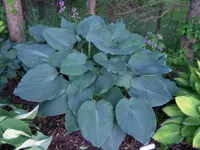
Shaded garden borders shape the watering Hosta needs, including large varieties like Hosta 'Blue Angel'. In its typical woodland-style setting with humus-rich soil, moisture stays present but not waterlogged. Blue-leaved hostas prefer evenly moist soil, not pronounced drying between sessions.

For Hosta 'Blue Angel', focus on steady moisture that mimics a cool, humid forest floor. When comparing beds and containers, garden soil usually dries more slowly than potting mixes, guiding how to water Hosta overall.

Water when the top 1–2 inches (3–5 cm) of soil feel dry, using this as the main guide for Hosta 'Blue Angel'. In cool, shaded beds this often means longer gaps between waterings, while hot, sunny, or windy conditions outdoors shorten the interval and may require more frequent checks.

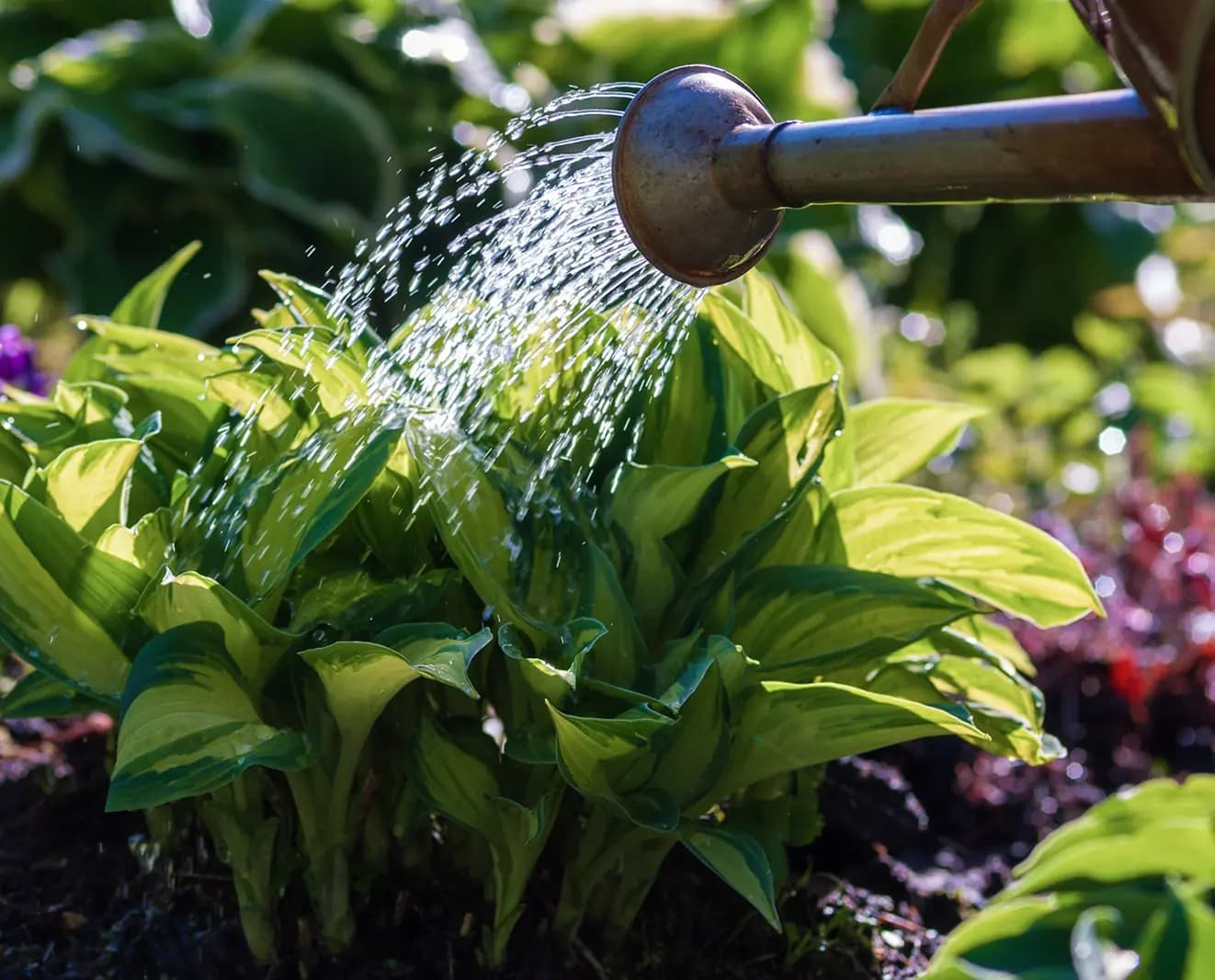
Water Hosta 'Blue Angel' when the top 1-2 inches (3-5 cm) of soil feel dry, using slow, deep soakings.

  • Pour water slowly at the base, circling the plant so the entire root zone is evenly moistened.
  • Water until moisture reaches about 6-8 inches (15-20 cm) deep, then stop before the soil becomes waterlogged.
  • Keep water off leaves and the crown by directing the stream to the soil, not onto plant tissues.
  • Ensure the container or bed drains freely and empty any saucers shortly after watering to prevent standing water.

Improper soil moisture can trigger health problems for shade-loving Hosta 'Blue Angel' plants.

Yellowing Leaf Edges:

Outer margins turn yellow from chronic overwatering, leading to reduced vigor and increased pest susceptibility.

Mushy Crown Base:

Soft, collapsing crown indicates prolonged saturation and poor drainage, often progressing into crown rot.

Leaf Scorch Patches:

Brown, papery areas appear after soil dries excessively, especially in sunnier, wind-exposed planting sites.

Wilting Despite Damp Soil:

Limp foliage with moist ground suggests root decline from oxygen-poor, compacted, or waterlogged soil.

Stunted Clump Growth:

Small leaves and slow expansion result from frequent moisture stress, weakening roots and limiting nutrient uptake.

Maintain evenly moist, well-drained soil, avoiding both prolonged saturation and repeated deep-drying cycles.

Poor watering habits weaken Hosta 'Blue Angel' by stressing its shallow roots and making foliage less resilient to heat and pests.

  • Following a rigid schedule: Watering by calendar instead of checking soil moisture can drown or dry roots; test the top soil layer and adjust timing.
  • Using heavy, soggy soil: Dense soil that holds water around roots for days increases disease risk; choose a loose mix that drains yet stays evenly moist.
  • Letting pots sit in runoff: Leaving containers in full saucers keeps roots submerged; empty saucers shortly after watering so excess moisture can escape.

Safer watering for this hosta keeps the root zone consistently moist but not saturated, guided by soil feel and drainage performance.

  • Spring: Increase watering gradually as new leaves unfurl, keeping soil consistently moist but not saturated while temperatures stay cool and growth accelerates.
  • Summer: In hot, dry periods water more deeply and check soil more often, especially for plants in sunnier spots or under large, thirsty trees.
  • Fall: Reduce watering frequency as growth slows, allowing the top layer of soil to dry slightly longer between waterings before dormancy.
  • Winter: For in-ground clumps in true dormancy, rely mainly on natural precipitation, watering only during prolonged snow-free, dry, unfrozen periods.

Your Assistant for Proper Watering

Use Botan for a simple watering guide and care checklist tailored to Hosta 'Blue Angel', plus gentle photo-based checkups that help spot early leaf or moisture issues.

Botan plant care app — identify plants on mobile

FAQ

Misting cannot replace deep watering. It only increases temporary humidity and wets leaves, which can encourage disease. Focus on soaking the root zone thoroughly, then let the top layer of soil partially dry before watering again.

More Plant Watering Guides

Is Your Watering Routine Hurting Your Hosta?

Botan quickly reviews your watering routine and highlights when adjustments may be helpful.

Watering a plant with a copper watering can
How Often to Water Fruit Trees

7 min read · 11 Aug 2026

How Often to Water Fruit Trees

Irrigation needs change as roots establish and weather shifts. This guide gives practical starting intervals, explains how soil and tree type change them, and shows how to recognize both excess moisture and drought stress.

Plant Care
How Often to Water Fruit Trees
Plant Pot Sizes: How to Choose the Right Plant Container

7 min read · 20 Aug 2026

Plant Pot Sizes: How to Choose the Right Plant Container

Plant pot sizes can be confusing because the number on the label only tells you part of the required information. A container may look spacious but actually be too shallow. So, how to choose pot size for plant species?

Beginner Guides
Plant Pot Sizes: How to Choose the Right Plant Container
Banana Peel Water for Plants: 5 Things to Know Before Trying It

5 min read · 9 Jul 2026

Banana Peel Water for Plants: 5 Things to Know Before Trying It

Banana water can provide potassium and some nutrients that may support plant growth, but it is not a universal fix. Use it carefully and only when the plant actually shows signs of nutrient deficiency rather than as a routine treatment.

Plant Care
Banana Peel Water for Plants: 5 Things to Know Before Trying It