
5 min read · 11 Sept 2026
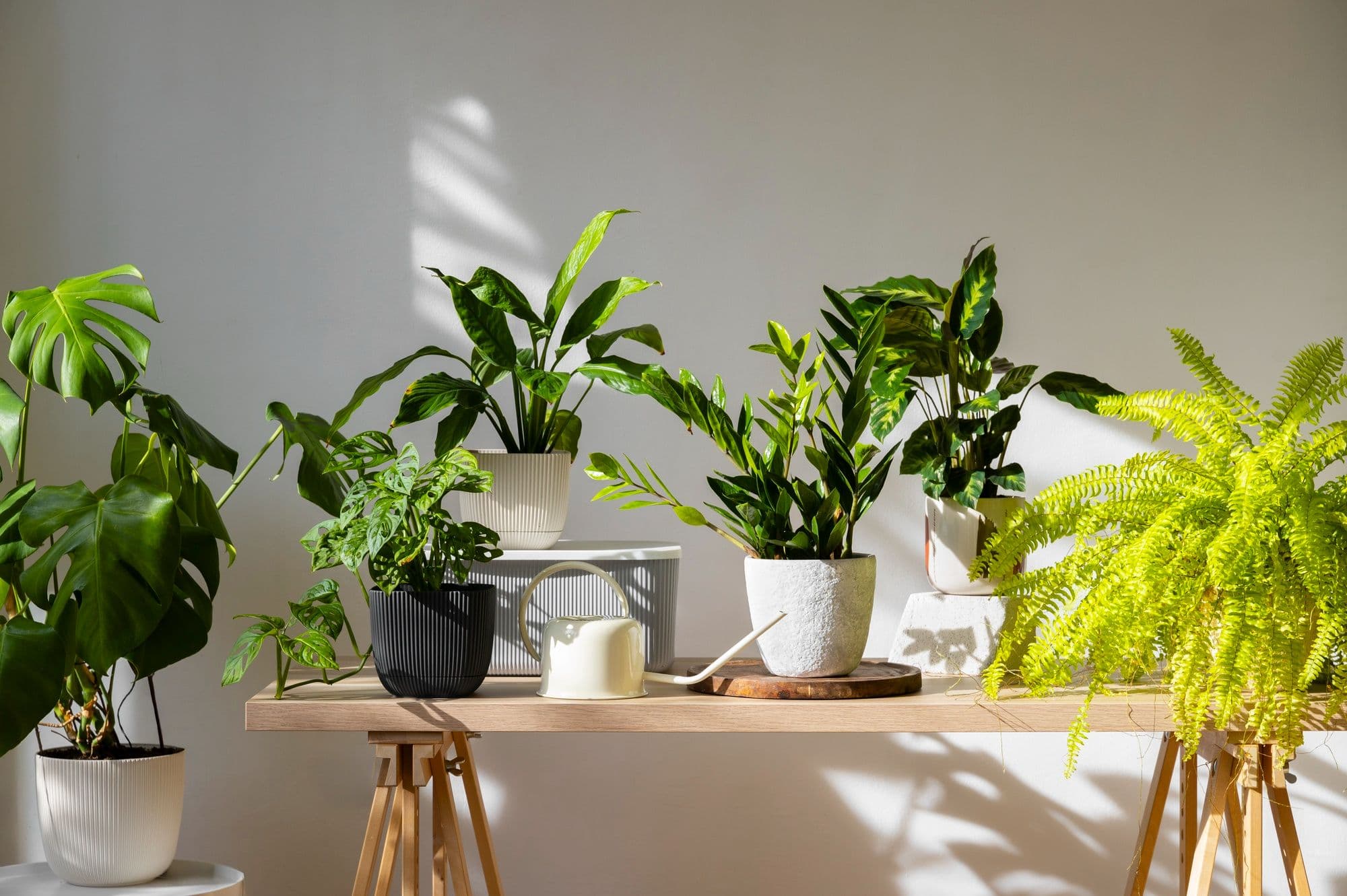
Top 5 Best Indoor Plants for Air Quality
Indoor plants can make a room feel fresher thanks to their air-purifying qualities. Here are 5 of the most suitable choices for your routine and living space.
Plant Recommendations

This page explains when, how often, and how much to water Phlox stolonifera for practical, consistent care.

Water Requirements
Moderate Water
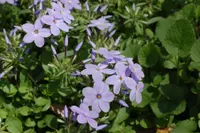
This low-growing perennial comes from woodland edges with moderate, regular moisture, not swamps or dry scrub. Phlox stolonifera prefers steady, light soil moisture rather than long dry spells or waterlogged conditions.
As a groundcover, watering creeping phlox aims to keep soil gently moist while allowing the surface to dry slightly. In garden beds versus containers, outdoor soil usually holds moisture longer, so potted plants often need closer attention than in-ground plantings when planning how to water creeping phlox.
Water when the top 1–2 inches (3–5 cm) of soil feel dry, as this groundcover dislikes staying soggy. In average garden conditions, Phlox stolonifera outdoors is typically watered every 5–10 days, with intervals shortening in hot, sunny weather and lengthening in cool, shaded sites.
Water creeping phlox when the top 1–2 inches (3–5 cm) of soil feel dry, using a slow, targeted soak.
Incorrect moisture levels can stress Phlox stolonifera and lead to several avoidable problems.
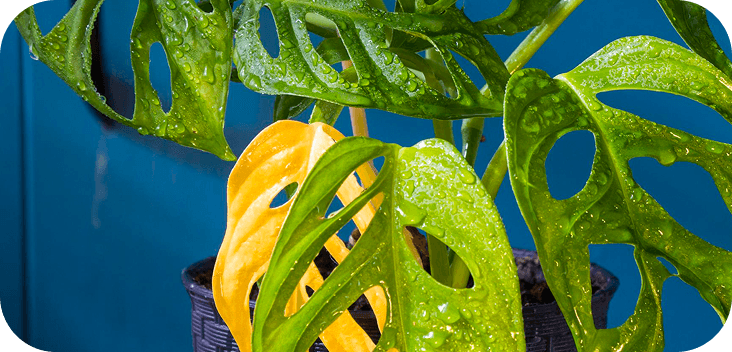
Older leaves fade yellow from persistent wet soil, signaling reduced oxygen and impending root decline.
Limp stems despite moist ground often indicate root rot from poor drainage or overwatering habits.
White, dusty patches on foliage develop when overhead watering and stagnant, humid air persist regularly.
Outer margins dry and brown when shallow watering or drought leaves roots exposed to heat.
Thin bloom coverage appears when inconsistent moisture causes stress, limiting energy available for bud formation.
Keep soil consistently moist but never saturated, emphasizing drainage, deep watering, and reduced overhead splashing.
Unsuitable watering habits can stress creeping phlox, weakening its dense mat and reducing flowering and long-term vigor in the bed.
Aim for light, well-drained soil that partially dries between waterings, adjusting frequency to current weather and planting location.
Is It Time to Water?
See whether your plant is ready for watering or needs more time to dry.
Use Botan for a clear watering guide and practical care steps for creeping phlox. The app can also review plant photos to help notice early signs of stress or other issues.
Yellowing soon after watering usually points to consistently soggy soil and low oxygen around the roots. Improve drainage, shorten watering duration, and allow the top soil to dry slightly between waterings to prevent root stress.
Use Botan to review your watering routine and adjust it with clearer guidance.
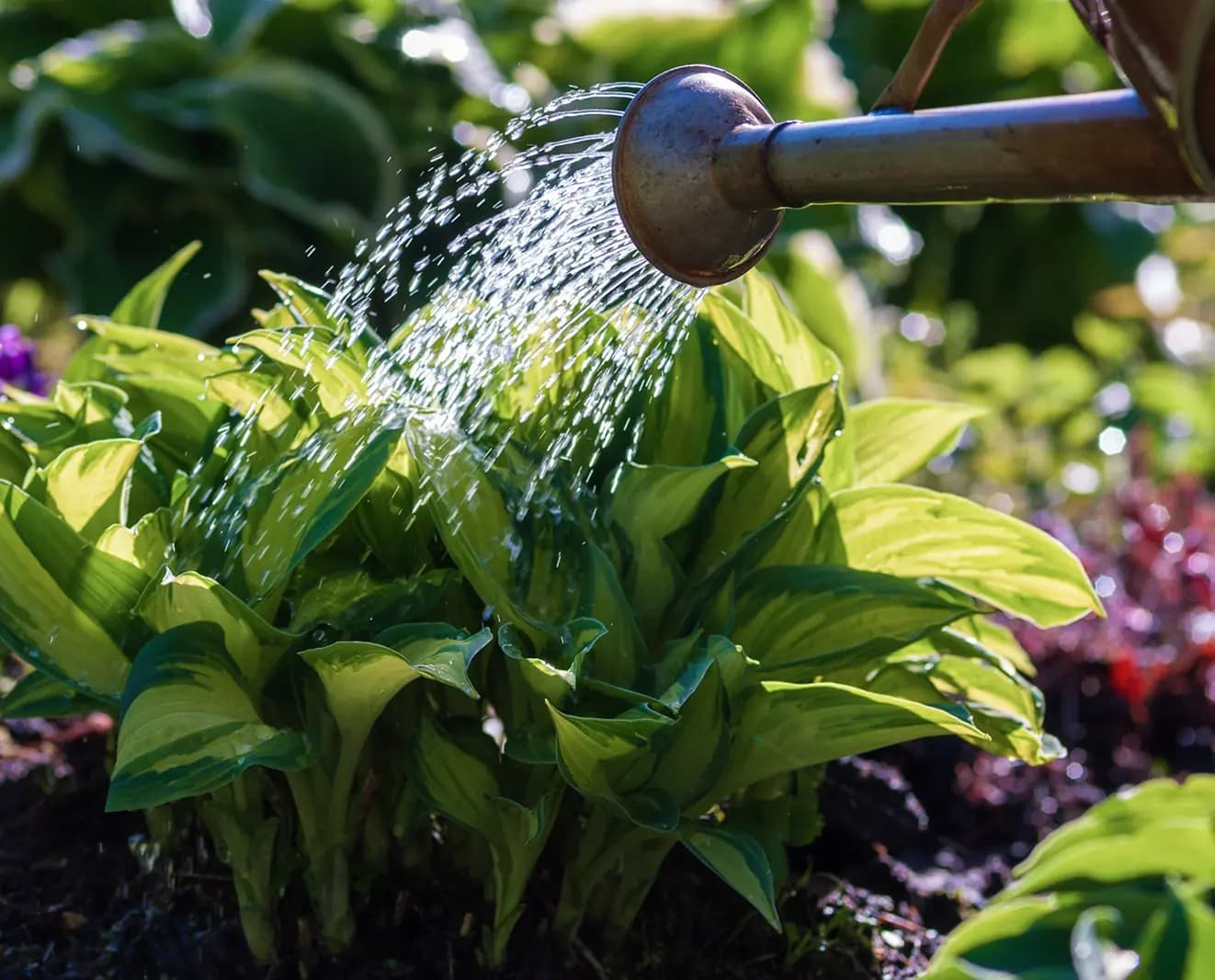
5 min read · 11 Sept 2026
Indoor plants can make a room feel fresher thanks to their air-purifying qualities. Here are 5 of the most suitable choices for your routine and living space.
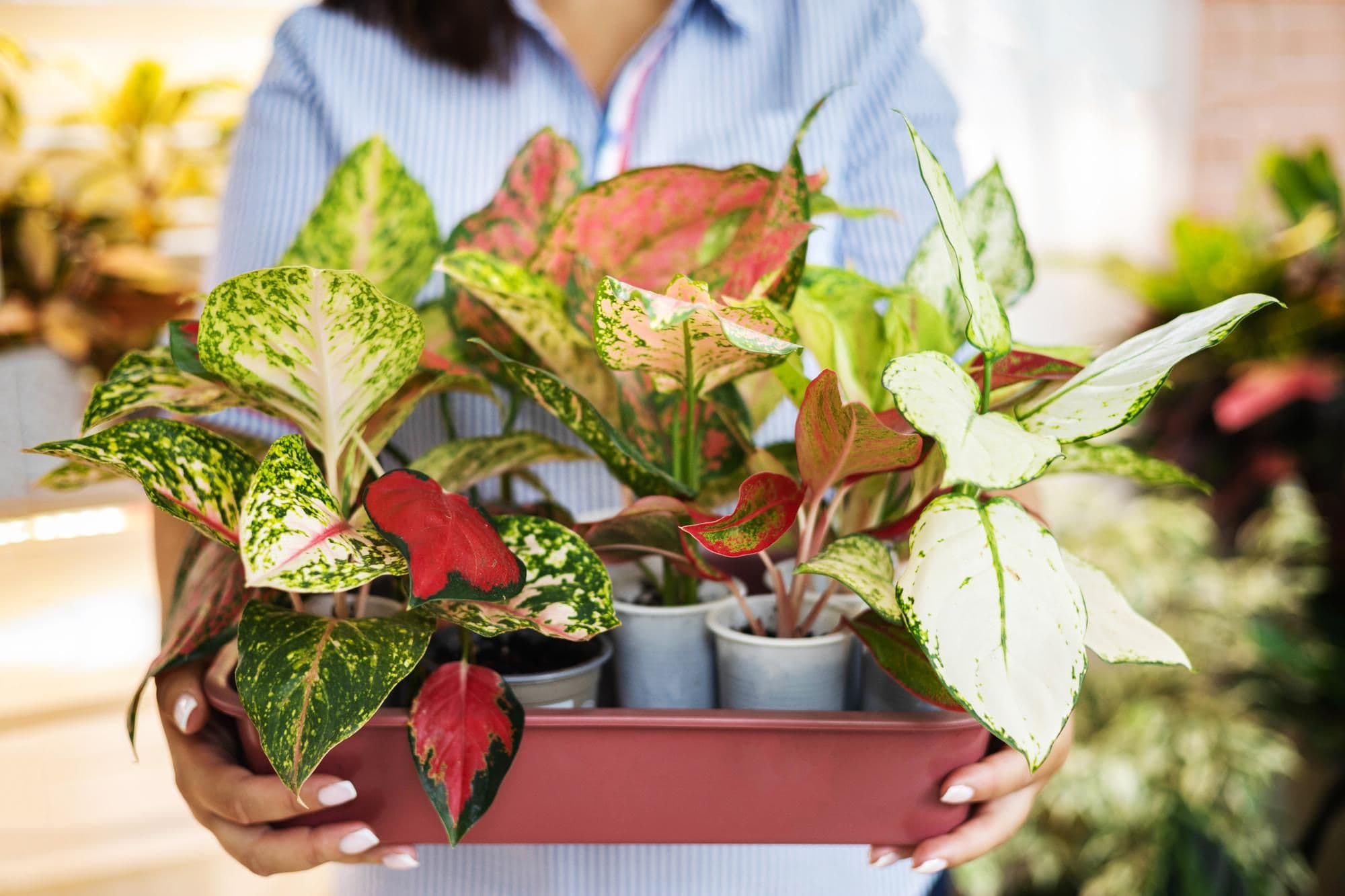
6 min read · 21 Sept 2026
Rare houseplants can turn an ordinary corner in your apartment into a living botanical collection. This guide covers 12 most admired picks, what makes them special, and how to grow them successfully at home.
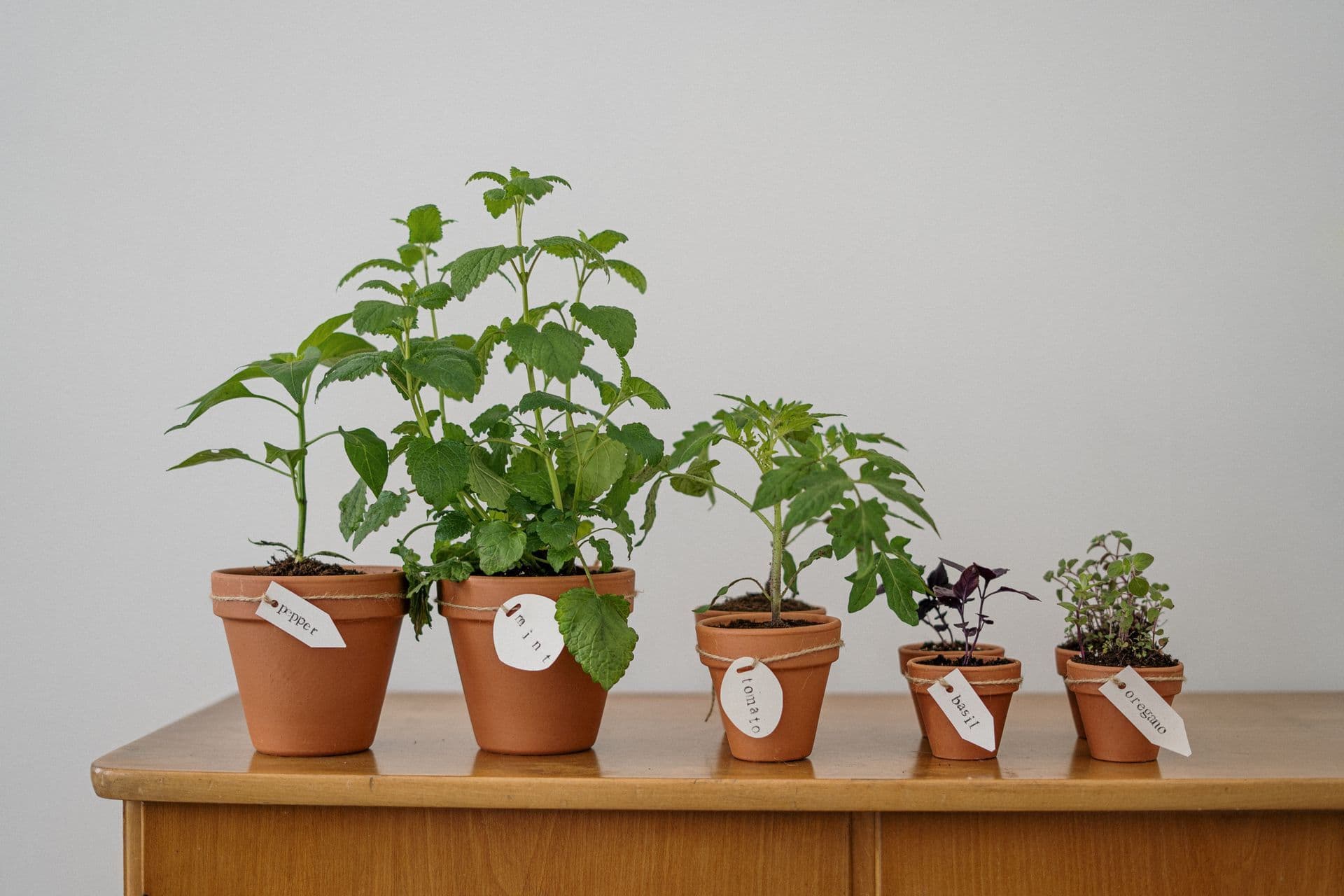
7 min read · 20 Aug 2026
Plant pot sizes can be confusing because the number on the label only tells you part of the required information. A container may look spacious but actually be too shallow. So, how to choose pot size for plant species?