Moist, Not Waterlogged
In the wild, Digitalis purpurea often grows on moist, well-drained woodland edges and banks, where soil stays damp from rainfall yet drains quickly, which explains its sensitivity to heavy, waterlogged clay in gardens.

This page outlines when, how often, and how much to water Digitalis purpurea for straightforward, consistent care.

Water Requirements
Regular Water
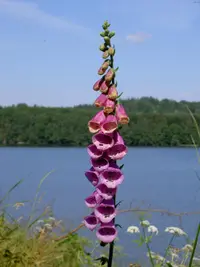
In temperate woodland clearings with regular rainfall, soil around foxglove stays lightly moist but not waterlogged. Digitalis purpurea in gardens generally prefers steady, gentle moisture that never becomes soggy or bone dry.
As a baseline for watering Foxglove, aim for soil that feels slightly damp between sessions. Beds and borders usually dry more slowly than containers, which may need closer monitoring before detailed guidance is applied.
Let the top 1–2 inches (3–5 cm) of soil dry before watering Digitalis purpurea again; the soil should feel lightly dry rather than soggy. Watering intervals are usually shorter in hot, sunny conditions and longer in cool or cloudy weather, especially for plants growing in the ground.
Water Foxglove when the top 1 inch (2–3 cm) of soil feels dry, keeping moisture steady but not saturated.
Incorrect moisture levels often trigger health problems for Digitalis purpurea grown in garden beds.
Older leaves turn pale or yellow first when roots sit in persistently waterlogged, compacted soil.
Foliage droops while soil feels damp, suggesting root rot from chronic overwatering or poor drainage.
Leaf margins brown and curl when shallow watering encourages surface drying and minor drought stress.
Plant base darkens and softens where water repeatedly pools against stems and crown tissues.
Keep soil consistently moist yet aerated using deep, infrequent watering and sharply draining, organic-rich ground.
Unsuitable watering habits can stress Digitalis purpurea, weakening flowering, shortening its life, and making plants more vulnerable to disease.
Aim for evenly moist, well‑drained soil and adjust watering to weather and growth stage rather than fixed rules.
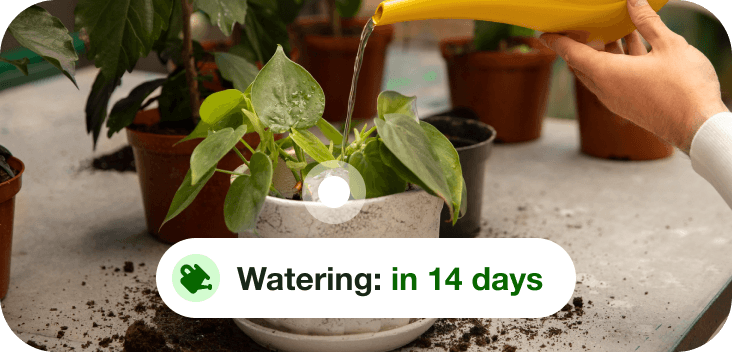
Watering Advice
Learn when to water your plant and avoid common watering mistakes.
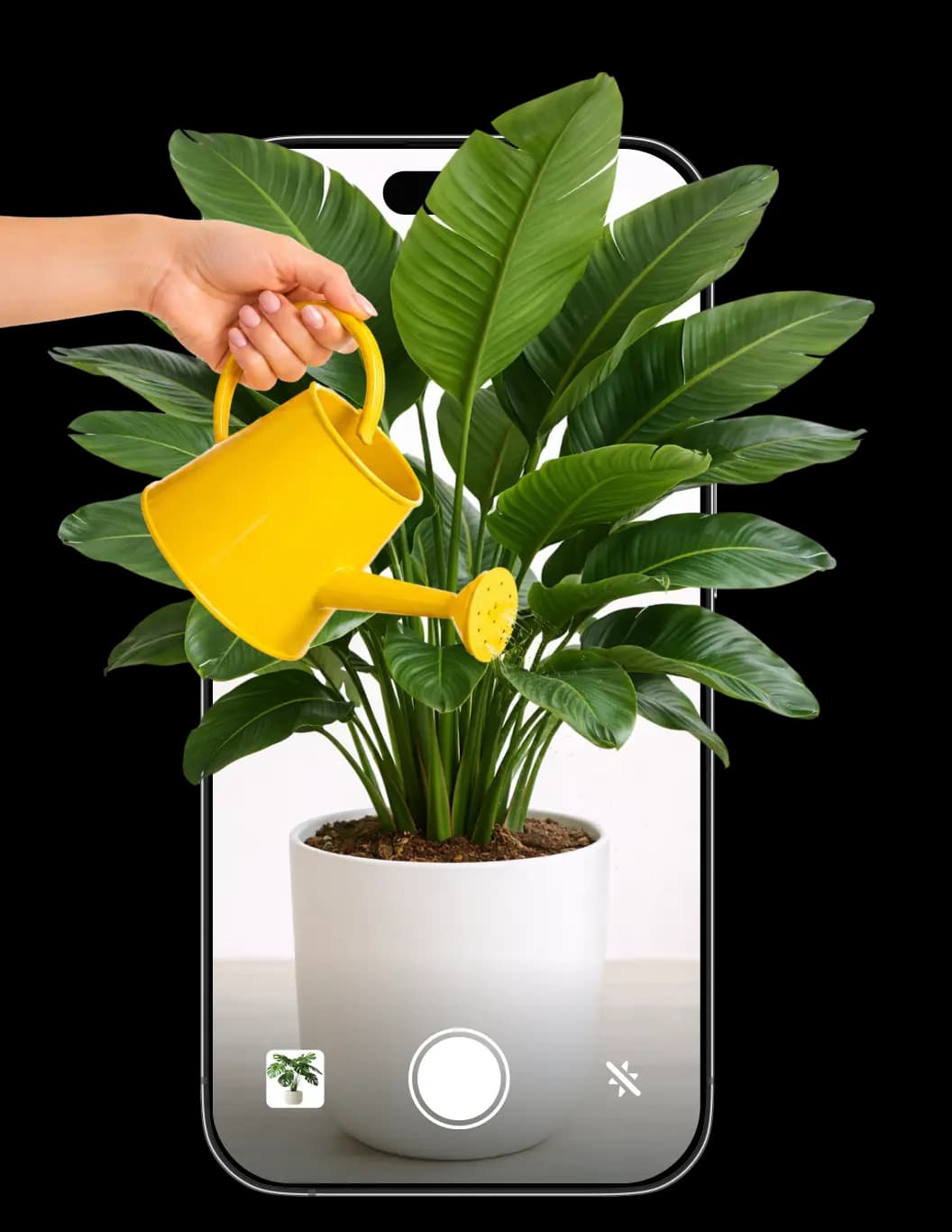
Use Botan for a clear watering guide and practical care steps for Digitalis purpurea, plus gentle photo-based checks that help flag emerging leaf, stem, or moisture issues early.
In the wild, Digitalis purpurea often grows on moist, well-drained woodland edges and banks, where soil stays damp from rainfall yet drains quickly, which explains its sensitivity to heavy, waterlogged clay in gardens.
As a biennial, Digitalis purpurea spends its first year building a deep, fibrous root system adapted to consistently moist soil, which helps the tall flowering stems access water more reliably in the second year.
Digitalis purpurea is native to Atlantic Europe, where frequent rain and cool temperatures are common; it is adapted to these conditions and handles regular rainfall better than prolonged summer droughts in cultivation.
Use cool to room-temperature water, about 60–75°F (16–24°C). Avoid very cold or hot water, which can stress roots and slow growth, especially when adjusting a regular Digitalis purpurea watering routine.
Botan reviews your watering pattern so adjustments are easier to make confidently.
6 min read · 1 Sept 2026
Drooping leaves and brown tips don't always mean the end, and a weakened plant can often recover with a little help. These six simple steps will help you revive a dying plant and restore its health.
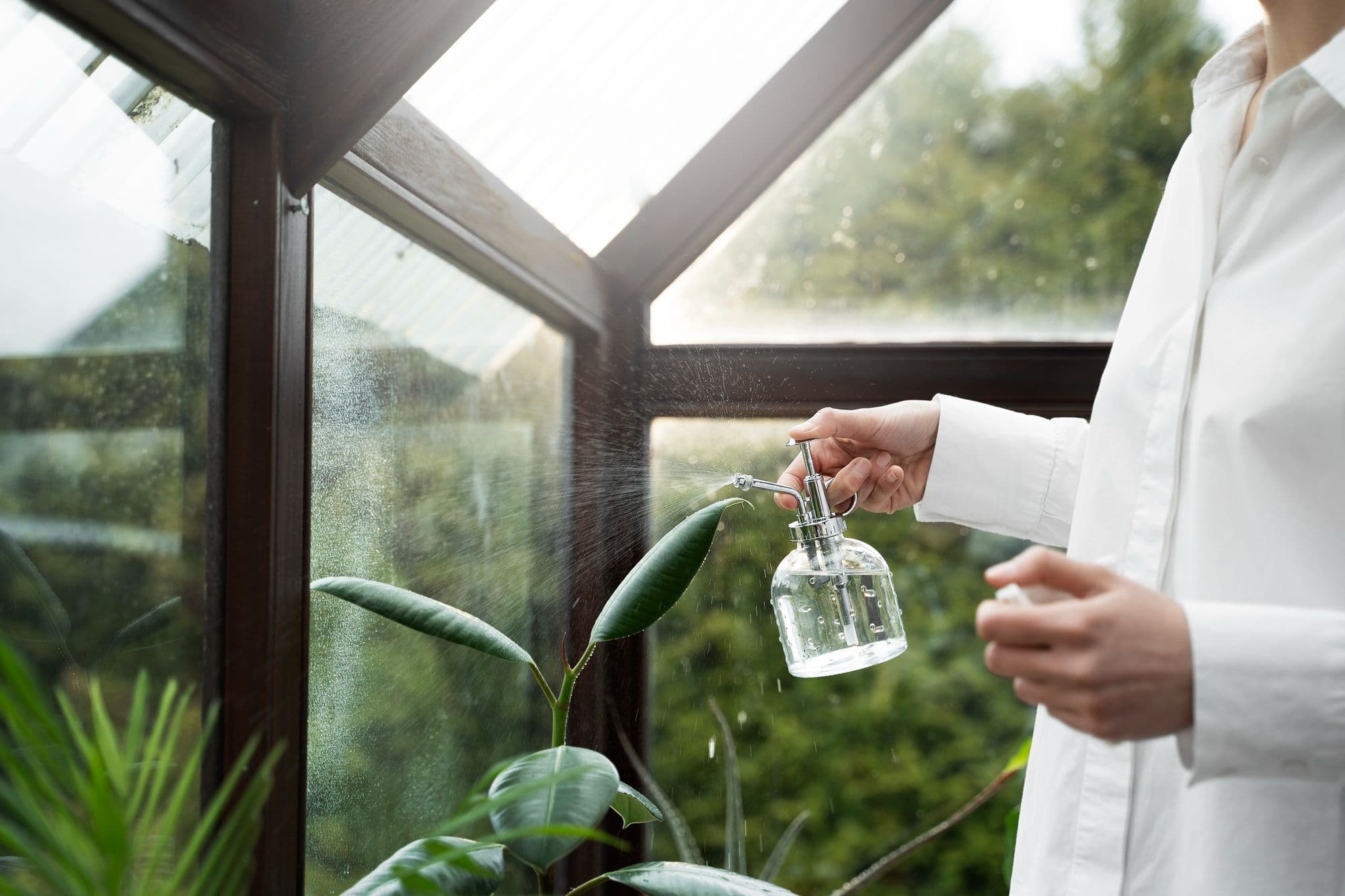
8 min read · 14 Aug 2026
Dry indoor air stresses a lot of houseplants. You usually notice it first in the browning leaf tips. This guide describes 8 simple ways to raise the moisture around your plants, from humidifiers to pebble trays.
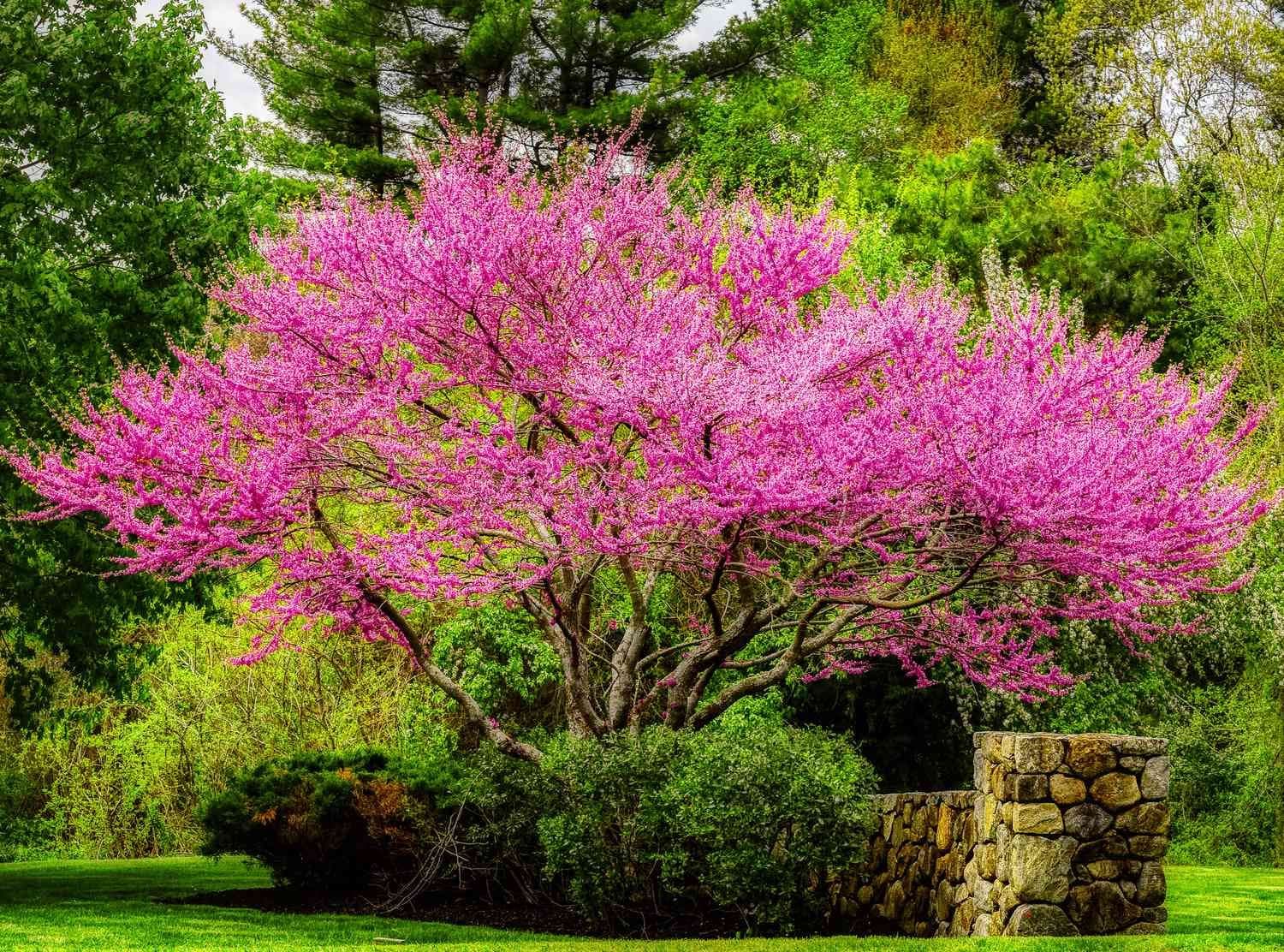
13 min read · 28 Jul 2026
Learn which of the 15 fastest-growing trees will suit your area. We’ll share detailed information on each: growth rate, mature spread, key tree demands, and main vulnerabilities. Read on and make the best choice possible.