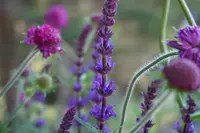
Sage (Salvia nemorosa 'Caradonna') Watering Guide

This page explains when, how often, and how much to water Salvia nemorosa 'Caradonna' for consistent care.

Water Requirements

Low Water

Salvia nemorosa 'Caradonna' Watering

This perennial prefers the moderately dry conditions typical of sunny European meadows, shaping its low-to-medium moisture needs. Salvia nemorosa 'Caradonna' grows best when soil dries slightly between waterings, not kept constantly damp.

In the ground, watering Sage usually means occasional deep moisture rather than frequent light drinks. Container-grown plants need somewhat more regular attention, but the same gently drying rhythm still guides how to water Sage.

Water Salvia nemorosa ‘Caradonna’ when the top 1–2 inches (3–5 cm) of soil feel completely dry. This drought-tolerant sage typically needs watering only after a thorough dry-out, with intervals shortening in hot, windy summer weather and lengthening in cooler seasons or in heavier garden soils.

Water Salvia nemorosa ‘Caradonna’ when the top 2 inches of soil feel dry; give Sage a slow, deep soak.

  • Pour water at the base of the plant, keeping stems and foliage dry to reduce moisture sitting on the plant.
  • Apply water in a gentle stream until the soil is evenly moist and water begins to exit the drainage holes.
  • Let excess water drain completely from the pot or bed so the root zone can re-aerate between waterings.

Incorrect soil moisture often leads to preventable stress and decline in Salvia nemorosa 'Caradonna'.

Wilting With Wet Soil:

Drooping stems and limp leaves despite moist ground usually indicate developing root damage from poor drainage.

Yellowing Lower Leaves:

Older foliage turning pale or yellow often signals chronically soggy conditions and reduced root oxygen.

Stunted, Woody Growth:

Short flower spikes and sparse foliage typically result from repeatedly dry, compacted soil limiting root expansion.

Crisp Brown Leaf Edges:

Brittle margins and scorched tips frequently appear when shallow watering leaves deeper roots underhydrated.

Maintain evenly moist, well-drained soil, allowing the top layer to dry lightly between thorough waterings.

Poor watering habits can weaken Salvia nemorosa 'Caradonna', reducing flowering and resilience, especially in hot, dry or very humid conditions.

  • Rigid watering schedule: Watering on a fixed calendar, instead of checking soil dryness, keeps roots too wet or too dry; test the top layer first.
  • Heavy, soggy soil: Using dense, poorly drained soil traps moisture around roots; choose a gritty, well-draining mix suitable for sun-loving perennials.
  • Water sitting in saucers: Leaving pots in standing runoff saturates the root zone; empty saucers promptly so excess moisture can escape fully.

Aim for deep but infrequent watering in sharply draining soil, guided by actual soil dryness rather than habit or schedule.

  • Spring: Increase watering slightly as new shoots appear, letting the top 1–2 inches of soil dry between deep soakings.
  • Summer: During hot, dry spells, water deeply but less often, focusing on the root zone and avoiding daily light sprinkling.
  • Fall: Gradually reduce watering as flowering slows, giving just enough moisture to prevent complete soil dryness before dormancy.
  • Winter: In cold climates, established plants in the ground usually need no watering unless there is extended thawed, snow-free drought.

Find the Right Watering Routine for Your Sage

Use Botan for a clear watering guide and practical care steps for Salvia nemorosa 'Caradonna', plus gentle photo-based checkups that help notice leaf spots, wilting, or other early issues.

Botan plant care app — identify plants on mobile

Interesting Watering Facts

Prefers Drying Cycles

Once established in the garden, this cultivar shows best flowering and sturdier stems when soil is allowed to dry between waterings rather than staying evenly moist, reflecting its parent species’ adaptation to seasonally dry European meadows and steppe-like sites.


Moderate Drought Endurance

Mature plants tolerate periods of low rainfall without rapid decline, due to a relatively deep, fibrous root system that can access moisture below the surface, though extended drought still reduces bloom density and may require supplemental watering.

FAQ

Yes. Standing water cuts off oxygen to the roots and encourages root rot. After watering, empty any saucer within 15–20 minutes so the root zone can dry slightly between waterings.

More Plant Watering Guides

Is Your Watering Routine Hurting Your Sage?

Use Botan to see if your watering matches what the plant currently needs.

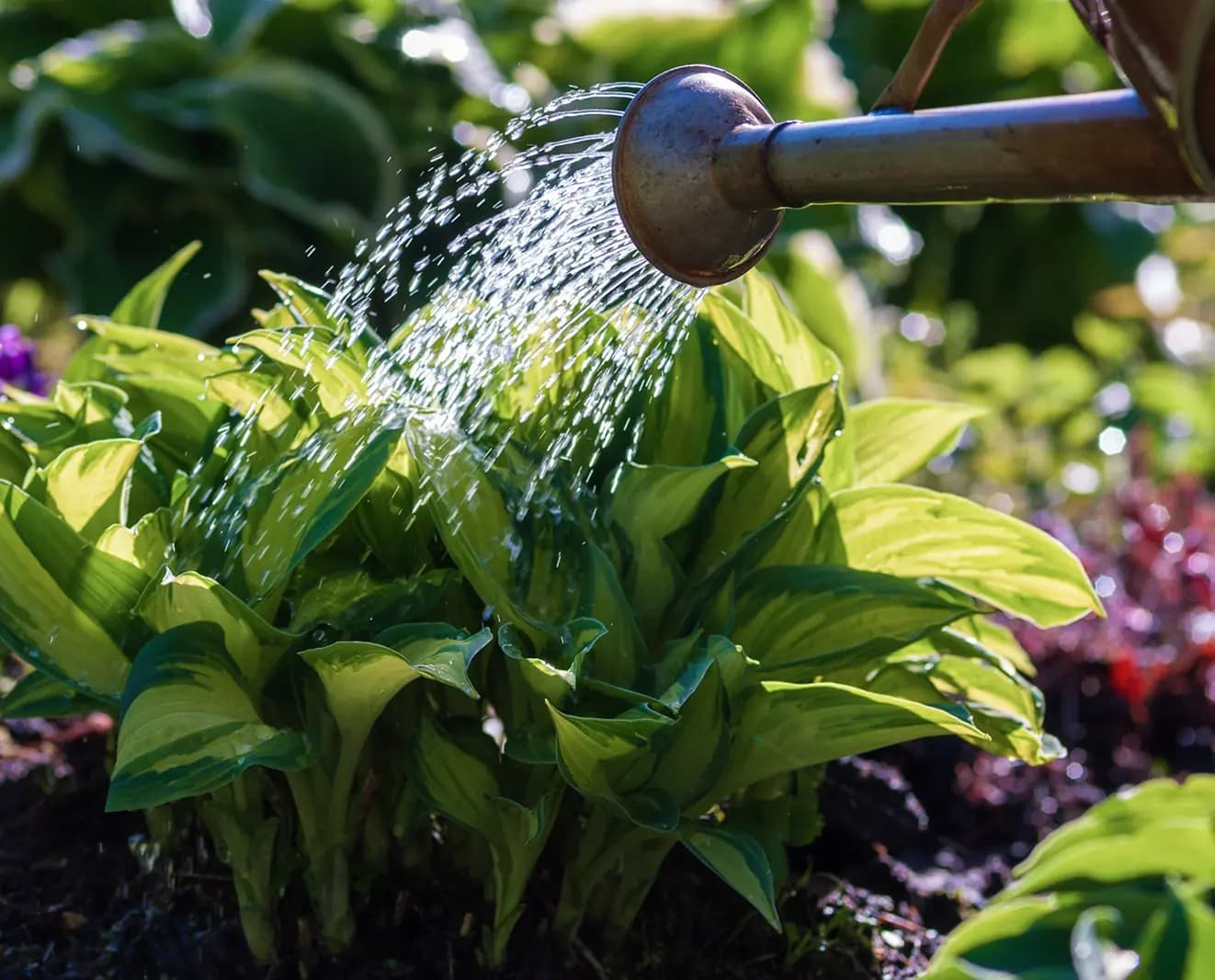
Watering a plant with a copper watering can
Best Fertilizer for Vegetable Gardens – What to Use for Each Plant

11 min read · 20 Jul 2026

Best Fertilizer for Vegetable Gardens – What to Use for Each Plant

Here, you’ll find the right fertilizer formula for vegetables in your garden. Learn how to adjust feeding correctly throughout the growing cycle, spot nutrient deficiencies by their symptoms, and keep your plants healthy and prolific.

Plant Recommendations
Best Fertilizer for Vegetable Gardens – What to Use for Each Plant
How to Bottom Water Plants: Complete Guide

6 min read · 13 Jul 2026

How to Bottom Water Plants: Complete Guide

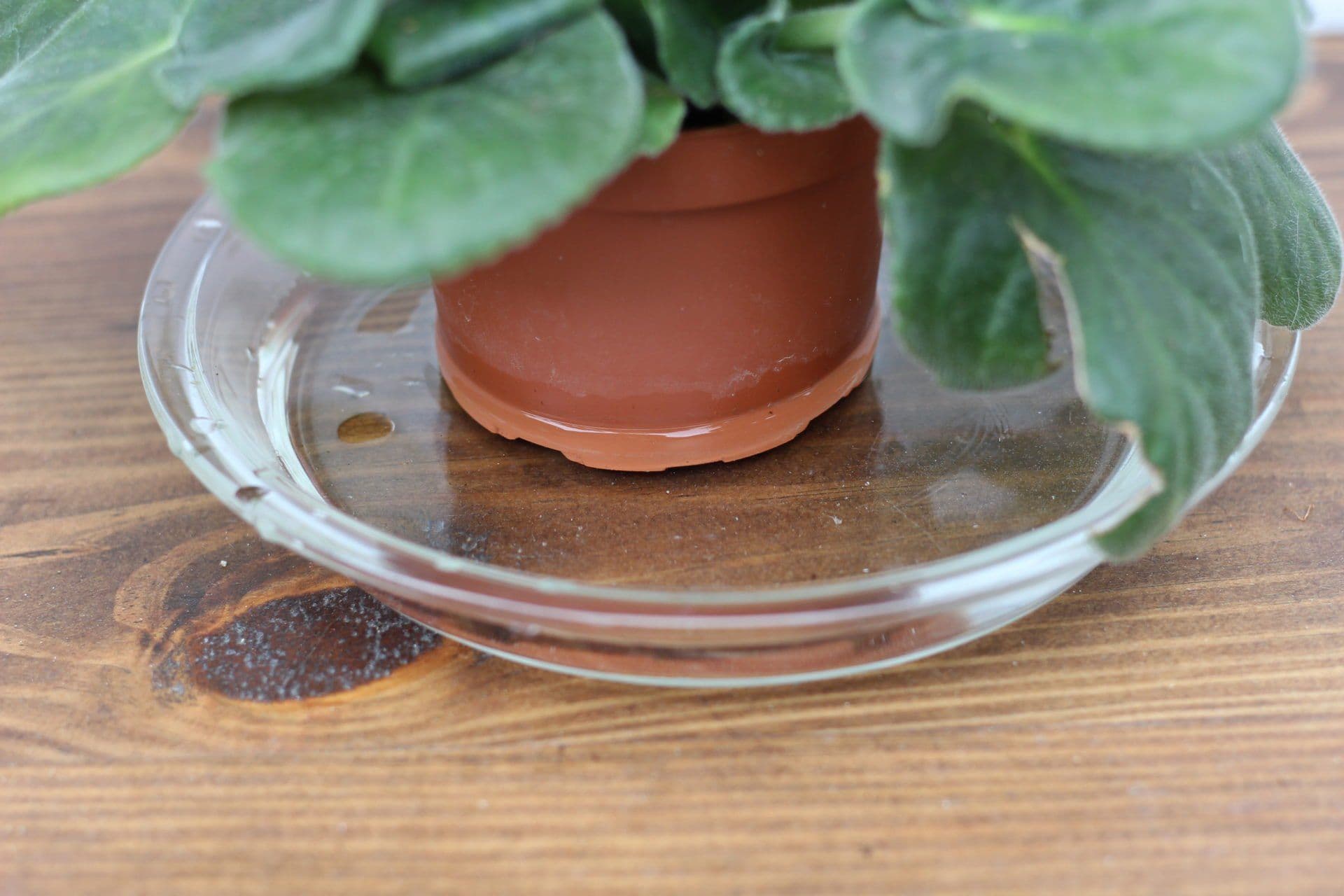
Bottom watering helps soil absorb moisture evenly and keeps foliage dry, reducing the risk of missed dry spots or root problems. Place the pot in a tray of water for a short time, then let it drain well.

Plant Care
How to Bottom Water Plants: Complete Guide
12 Most Wanted Rare Houseplants to Grow at Home

6 min read · 21 Sept 2026

12 Most Wanted Rare Houseplants to Grow at Home

Rare houseplants can turn an ordinary corner in your apartment into a living botanical collection. This guide covers 12 most admired picks, what makes them special, and how to grow them successfully at home.

Plant Recommendations
12 Most Wanted Rare Houseplants to Grow at Home