Thrives in thin soils
Thymus serpyllum often grows on very shallow, rocky substrates where water drains within minutes, so its roots are adapted to quickly use brief moisture pulses rather than sustained soil wetness.

This page explains when, how often, and how much to water creeping thyme for consistent, practical care guidance.

Water Requirements
Low Water
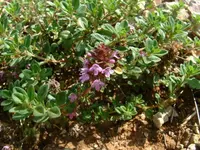
This low-growing herb from dry, rocky European habitats prefers light, infrequent moisture rather than constant dampness. Thymus serpyllum thrives when soil dries slightly between waterings, reflecting its naturally lean conditions.
In the ground, watering creeping thyme supports growth best with brief moist periods followed by drying. In containers, it generally needs a bit more frequent attention, so understanding how to water creeping thyme sets up the details that follow.
Water when the top 1–2 inches (3–5 cm) of soil feel dry, as this drought-tolerant groundcover dislikes constantly wet conditions. In average outdoor beds, creeping thyme typically needs water every 7–14 days, with shorter intervals in hot, dry weather and longer gaps during cool or rainy periods.
Water creeping thyme when the top 1-2 inches (3-5 cm) of soil feel dry, using light, even surface watering.
Incorrect moisture levels can stress Thymus serpyllum and lead to several avoidable problems over time.
Older leaves fade to dull yellow when roots sit in consistently wet, poorly aerated soil.
Sections suddenly collapse and pull up easily because saturated soil encourages roots to decay locally.
Plant center becomes woody and bare when soil stays too damp, discouraging healthy new basal growth.
New tips remain short and sometimes redden when moisture and drainage are poor during cool weather.
Keep soil lean, fast-draining, and slightly dry between thorough waterings to maintain compact, resilient growth.
Unsuitable watering habits can weaken creeping thyme, making Thymus serpyllum less dense, less drought-tolerant, and more vulnerable to stress.
Aim for fast drainage, light soil, and watering only after surface dryness to keep creeping thyme compact and resilient.

Plant Water Guide
Learn how much water your plant needs and keep its routine on track
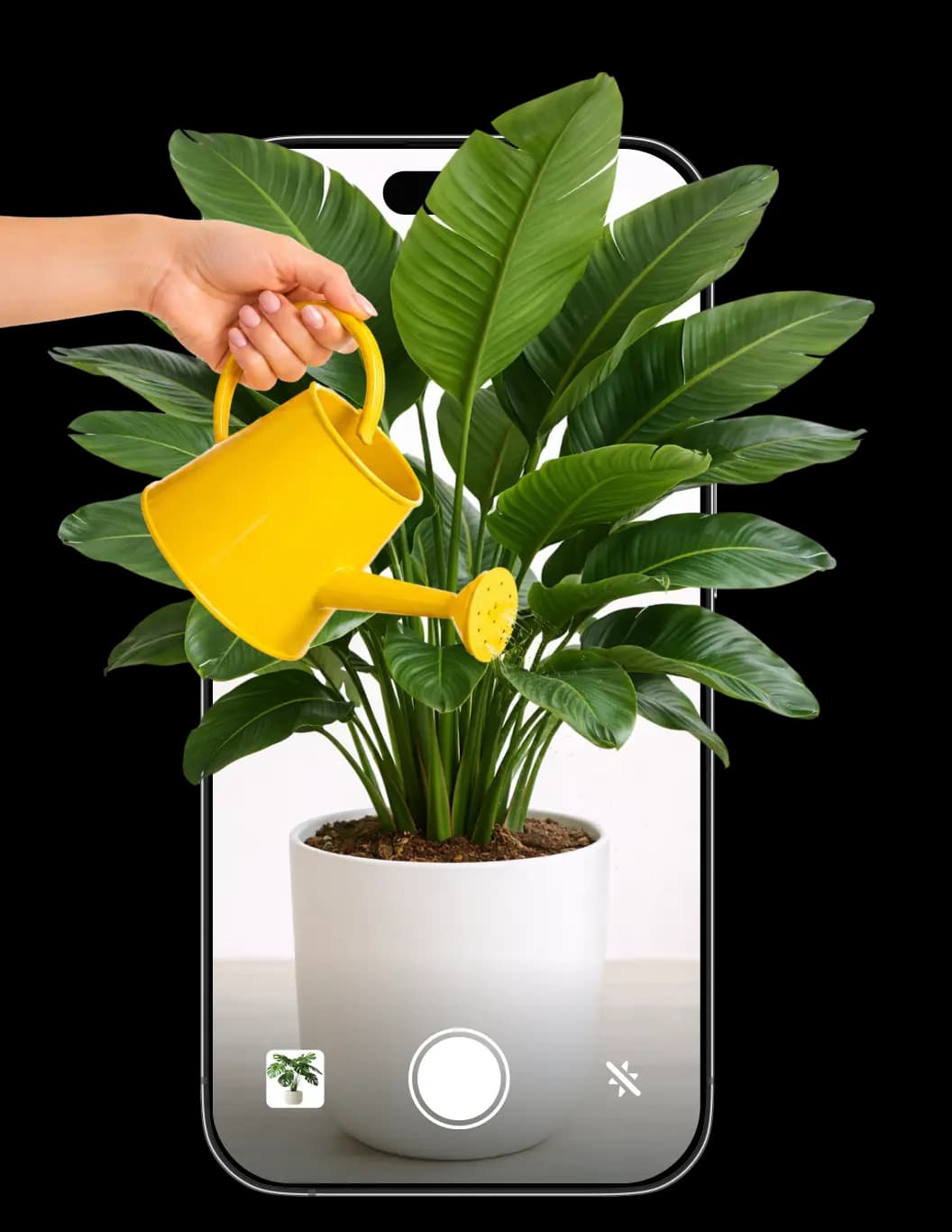
Use Botan for a clear watering guide and simple care steps for Thymus serpyllum, plus gentle photo-based checks that help flag possible leaf, stem, or soil problems early.
Thymus serpyllum often grows on very shallow, rocky substrates where water drains within minutes, so its roots are adapted to quickly use brief moisture pulses rather than sustained soil wetness.
In the wild, Thymus serpyllum frequently forms mats around stones and among low mosses, where tiny pockets of moisture collect after rain but the surface still dries fast, favoring its drought-tolerant growth pattern.
Early morning is best. The surface can dry through the day, reducing fungal problems. In hot, sunny sites, morning watering also limits water loss from evaporation and helps roots use moisture efficiently.
Use Botan to review watering patterns and keep moisture levels more consistent over time.
7 min read · 11 Aug 2026
Irrigation needs change as roots establish and weather shifts. This guide gives practical starting intervals, explains how soil and tree type change them, and shows how to recognize both excess moisture and drought stress.

8 min read · 31 Aug 2026
Good plant grouping can mean the difference between a well-planned garden and one that looks sloppy. This guide explores layers, spacing, cluster shapes, and the plants that thrive when you group them.
7 min read · 28 May 2026
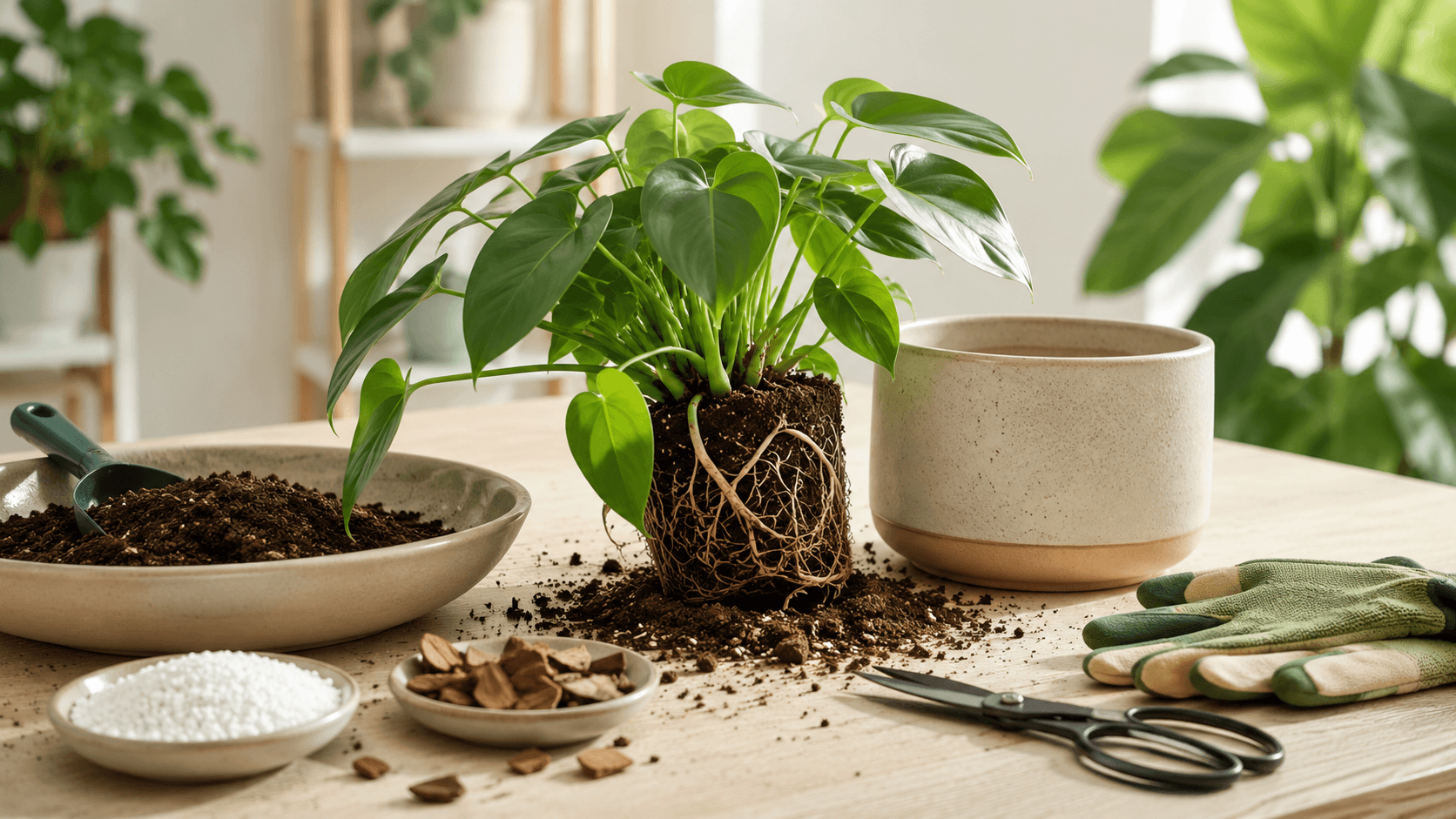
In spring, many plants need repotting—an essential part of care. To avoid stress, consider the plant’s type and size. This article offers a step-by-step guide for repotting indoors or outdoors and shows how to check plant health and get care tips using the Botan app.