Encourage Dense Mats
Lightly pinch or shear back new, leggy runners after flowering to encourage tighter, denser groundcover and reduce gaps where weeds can establish.

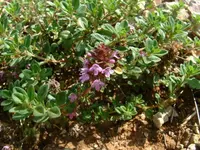
Creeping thyme (Thymus serpyllum) is a low, mat-forming perennial herb grown as groundcover, edging, or between paving stones. It belongs to the mint family and has a compact, spreading habit.
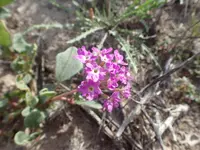
Plants carry tiny aromatic leaves and small pink to purple flowers that attract bees and other pollinators. The foliage often forms a dense, soft carpet that tolerates some foot traffic.
Thymus serpyllum is native to Europe and parts of Asia but is widely cultivated in temperate gardens. It is valued for its drought tolerance, modest nutrient needs, and general toughness.
It thrives in full sun, well-drained soil, and relatively dry conditions, so understanding these preferences is key to how to care for creeping thyme successfully.

Care Difficulty
Easy Care

Light Preference
Full Sun

Water Requirements
Low Water

Temperature Preference
Cold Hardy

Hardiness Zone
4–9

Soil Texture
Sandy, Loamy, Rocky

Soil pH
Slightly acidic (6.5–7.0), Slightly alkaline (7.0–7.5)

Soil Drainage
Well-drained

Fertilization
Minimal (feed rarely)
Scan your plant to receive care tips personalized for your specific plant
Available on iOS and Android
Thymus serpyllum thrives in bright, direct sun for dense growth and strong aroma.
Thymus serpyllum prefers dry to moderately dry soil and is highly drought-tolerant once established.
This species is hardy and tolerates a wide temperature range when grown outdoors in the ground.
This species prefers dry air and does not have specific humidity requirements.
This plant thrives in lean, sharply drained soil that mimics rocky, dry habitats.
This species is well suited to container growing for sunny patios and balconies.
Thymus serpyllum is adapted to lean soils and needs only light, cautious feeding in cultivation.
Thymus serpyllum responds well to light pruning that keeps mats dense and flowering well.
Groundcover thyme is usually transplanted outdoors rather than repotted frequently in containers.
Thymus serpyllum is commonly propagated to expand groundcover patches or replace older, woody mats.
This thyme is generally cold hardy but benefits from some winter care in harsher climates.

Plant Health Check
Not sure what's wrong with your plant? Check your plant's health inside the app.
This species forms very low, dense mats that produce many small, nectar-rich flowers, making it an important ground-level food source for wild bees and other small pollinators in open, sunny habitats.
It is naturally common on dry, rocky, or sandy sites with low nutrients, where its shallow but wide-spreading root system allows it to occupy thin soils that many taller plants cannot tolerate.
The strong fragrance comes from essential oils in tiny leaf glands that help reduce herbivory by insects and grazing animals and may also slow fungal growth on the plant surface.
In parts of central and northern Europe, this species has become a characteristic plant of ancient grasslands and heathlands, so conservation biologists sometimes use its presence, along with other specialists, as an indicator that a site has a long history of continuous, relatively undisturbed open habitat.
This species spreads outward in low mats but is usually not aggressive. It fills gaps between stones or pavers gradually. Edges are easy to trim, so it is considered manageable rather than invasive in most gardens.
Keep your plants happy and healthy with plant identification, disease detection, and easy care guidance.