apple geranium Care (Pelargonium odoratissimum)

Also known as: apple-scented pelargonium, sweet-scented pelargonium, apple-rose-scented geranium, Apple Storksbill, Scented Geramium
apple geranium

About apple geranium

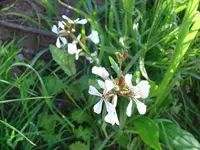
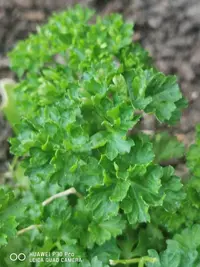
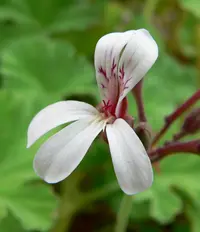
Apple geranium (Pelargonium odoratissimum) is a compact, scented pelargonium grown mainly for its strongly apple-scented foliage rather than its modest flowers. It typically forms a low, mounding plant with small, rounded, softly textured leaves and fine branching stems that suit pots, windowsills, and hanging baskets.

In nature it comes from rocky, well-drained areas of South Africa, so it copes well with bright conditions and drier soil between waterings. Its fragrant leaves and generally forgiving nature make it a good choice for beginners learning how to care for apple geranium. It prefers bright light, moderate watering, and a well-draining potting mix to stay healthy and compact.

Main Plant Requirements

Care Difficulty

Easy Care

Light Preference

Partial Sun

Water Requirements

Moderate Water

Temperature Preference

Tropical / Frost Sensitive

Hardiness Zone

10–11

Soil Texture

Sandy, Loamy, Organic-rich

Soil pH

Acidic (5.5–6.5), Slightly acidic (6.5–7.0)

Soil Drainage

Well-drained

Fertilization

Light (every 4–6 weeks)

Get Personalized Care Plan

Scan your plant to receive care tips personalized for your specific plant

Available on iOS and Android

How to Care for the apple geranium

This scented pelargonium prefers bright light but not harsh, all-day sun.

  • Provide 4–6 hours of direct morning sun, with light afternoon shade, especially in hot summers.
  • Tolerates partial shade, but flowering and leaf scent of apple geranium decline if it receives less than 3–4 hours of sun.
  • In very intense climates, give filtered light or dappled shade at midday to prevent leaf scorch and pale, stunted growth from excess sun.

This species prefers thorough watering with clear drying periods between soakings.

  • Water when the top 2–4 cm of soil feels dry, allowing water to drain fully so the roots do not sit in soggy conditions.
  • Reduce watering in cool seasons, but never let soil stay bone-dry for more than a few days; leaves that droop then perk up after watering suggest mild underwatering.
  • Yellowing, soft leaves and a musty smell indicate overwatering in Pelargonium odoratissimum, which benefits from a sharply drained, airy mix.

This plant grows best in mild, frost-free conditions with moderate warmth.

  • Aim for 65–75°F (18–24°C) during active growth, as this range supports steady foliage and scent production.
  • Protect from cold below 40°F (4°C); light, brief dips may be tolerated, but hard frost can kill stems and roots.
  • In hot spells above 90°F (32°C), give extra shade and airflow, as prolonged extreme heat can cause leaf scorch and slowed growth.

This species prefers relatively dry air and does not require high humidity.

  • Aim for 30–50% humidity; average indoor conditions are usually sufficient for apple geranium.
  • Tolerates drier air well, but very hot, dry rooms combined with strong sun can cause leaf edges to brown or curl.
  • Increase humidity slightly, if needed, by grouping plants or placing the pot on a pebble tray with water, without wetting the roots.

Pelargonium odoratissimum grows best in a light, well-aerated, sharply draining mix.

  • Use a loose, sandy or loamy mix made from 2 parts peat-free potting mix, 1 part coarse sand, and 1 part perlite or fine bark for structure.
  • Aim for slightly acidic to neutral pH around 6.0–7.0 to support balanced nutrient availability and root function.
  • Improve drainage and aeration by adding extra perlite or pumice if the mix feels heavy or stays wet longer than 2–3 days.
  • Avoid dense, clay-heavy or water-retentive mixes that remain soggy, as this promotes root rot and loss of lower leaves.

This species is very suitable for container growing.

  • Choose a pot only 2–4 in wider than the root ball so the mix dries evenly between waterings and roots do not sit in excess moisture.
  • Select a heavier clay or ceramic pot outdoors to prevent wind from tipping over the relatively leafy, spreading plant.
  • Raise the pot slightly on feet or bricks so drainage holes stay clear and excess water runs off quickly after rain or watering.

Pelargonium odoratissimum responds well to modest, consistent feeding during active growth in spring and summer.

  • Use a balanced liquid fertilizer (around 10-10-10) diluted to 1/2–1/4 strength every 2–3 weeks while stems and leaves are actively growing.
  • Alternatively, apply a light top-dressing of fine compost or a low-dose slow-release fertilizer at the start of the growing season.
  • Suspend feeding or reduce to monthly at very weak strength in fall and winter, when growth slows indoors or plants are semi-dormant.
  • Ensure soil is slightly moist before feeding apple geranium to reduce the risk of fertilizer burn to the roots.

Pruning helps Pelargonium odoratissimum stay compact, leafy, and free-flowering.

  • Best time for structural pruning is late winter to early spring, before strong new growth begins.
  • Use clean, sharp scissors or pruners to remove dead, damaged, or weak stems and any crossing or crowded shoots.
  • Pinch or trim stem tips lightly through the growing season to encourage bushier growth and more flowering nodes.
  • Cut just above a leaf node, angling the cut slightly, to promote healthy branching and reduce dieback.

Container-grown plants benefit from occasional repotting to maintain root health and steady growth.

  • Check for roots circling the pot, emerging from drainage holes, or unexplained slow growth as signs Pelargonium odoratissimum needs a larger container.
  • Plan to repot every 2–3 years in late winter or early spring, just before vigorous new growth starts.
  • Move to a pot only 2–5 cm wider, using fresh, well-drained mix, and gently loosen circling roots without tearing heavily.
  • Water lightly after repotting, keep in bright but indirect light for 5–7 days, and avoid heavy feeding until new growth appears to limit root stress.

This species is commonly propagated from stem cuttings, which root reliably under simple conditions.

  • Take 7–10 cm non-flowering stem cuttings in late spring or summer from healthy Pelargonium odoratissimum plants.
  • Remove lower leaves, optionally dip the cut end in rooting hormone, and insert into a sterile, well-drained mix such as perlite and peat or coco coir.
  • Maintain bright, indirect light, gentle warmth around 68–75°F, and lightly moist (not wet) media to encourage root formation.
  • After 3–4 weeks, once roots develop and new leaves appear, pot each cutting individually and transition gradually to normal watering.

Winter care focuses on preventing frost damage and keeping roots and stems above freezing.

  • Pelargonium odoratissimum is frost-sensitive and usually damaged below about 32°F, so outdoor containers should move indoors before the first hard frost.
  • Overwinter indoors in bright light at 50–60°F, watering sparingly so the soil dries slightly between waterings.
  • In mild climates, plants grown in the ground benefit from a light mulch layer around the root zone to buffer temperature swings.
  • Inspect overwintering plants for pests and remove any dead or soft growth to reduce disease before growth resumes in spring.

Care Tips

Pinch For Bushiness

Regularly pinch out soft shoot tips once stems have 4–5 leaves to keep the plant compact and encourage dense, aromatic foliage rather than long, bare stems.

Refresh Woody Plants

If the plant becomes woody and sparse, cut back 1/3 of the oldest stems in early spring to a lower node and repot slightly deeper to stimulate fresh basal shoots.

Rotate For Even Growth

Turn the pot 90° every 1–2 weeks so that all sides receive similar light exposure, which prevents the plant from leaning and keeps the canopy symmetrical.

Use Cuttings Strategically

Take 7–10 cm tip cuttings from the healthiest, non-flowering shoots when shaping the plant, then root them in a separate pot to maintain a continuous stock while still growing apple geranium compactly.

Seasonal Outdoor Stints

In mild seasons, place the plant outdoors in bright, sheltered spots for a few hours a day to increase air movement and light intensity, then bring it back indoors before night temperatures drop too low.

Common Pests and Diseases

Geranium rust

This disease causes yellow spots on upper leaf surfaces that align with rusty brown pustules on the undersides. Symptoms include premature leaf drop and general decline if humidity stays high.

Solution

Remove and discard heavily spotted leaves and avoid overhead watering so foliage dries quickly. Improve air circulation around plants, keep leaves dry, and apply a labeled copper or chlorothalonil fungicide if new spots keep appearing, especially in humid greenhouse or indoor conditions as part of Pelargonium odoratissimum care.

Botrytis blight

This disease produces soft, brown, water-soaked patches on leaves, flowers, and stems that develop a gray, fuzzy mold in humid, cool conditions. Symptoms include flower bud failure and collapse of tender shoots.

Solution

Cut off and discard all affected tissue and any dead flowers, and keep plant debris off the soil surface. Increase airflow, reduce humidity, water at the soil level in the morning, and use a fungicide labeled for Botrytis if the problem persists under controlled conditions.

Whiteflies

These insects are tiny white, moth-like adults that fly up in a small cloud when the plant is disturbed, with sticky honeydew and possible leaf yellowing. This pest often builds up in warm indoor or greenhouse conditions on the soft shoots and leaf undersides.

Solution

Vacuum or shake off adults outdoors, then rinse foliage thoroughly to remove nymphs from leaf undersides. Introduce yellow sticky traps, regularly wash leaves, and if needed use insecticidal soap or a light horticultural oil, repeating weekly until no new adults appear.

Aphids

These insects cluster on soft shoot tips and flower stalks, sucking sap and causing distorted new growth and sticky honeydew deposits. Symptoms include curled leaves, stunted shoots, and sometimes sooty mold growing on the honeydew.

Solution

Pinch off heavily infested shoot tips and rinse remaining foliage with a firm stream of water, focusing on undersides. Apply insecticidal soap or horticultural oil to all plant surfaces every 5–7 days for several cycles, and encourage predators outdoors by avoiding broad-spectrum insecticides.

Edema

This physiological disorder causes corky, blister-like bumps or rough patches on leaf undersides, often after periods of overwatering or sudden shifts from cool, wet to warm, bright conditions. Symptoms include thickened, distorted leaves while roots remain otherwise healthy.

Solution

Allow the soil surface to dry slightly between waterings and avoid large swings in moisture and temperature. Provide bright light with good air movement, reduce overall humidity, and remove only the most damaged leaves, as new growth usually forms normally once conditions stabilize.

Interesting Facts

Compact Mediterranean species

This apple-scented geranium is naturally native to rocky slopes and cliffs in parts of the western Mediterranean, where it grows as a low, spreading subshrub adapted to dry, exposed sites.

Distinct apple aroma

Its leaves release a characteristic sweet apple fragrance when gently rubbed, produced by volatile aromatic oils that help reduce herbivory by insects and grazing animals.

Edible flavoring leaves

The leaves are commonly used in small amounts to flavor desserts, jellies, and teas, where they impart a mild apple-like aroma without adding true fruit content.

Botan icon

Did you know?

In the 18th and 19th centuries, apple-scented geraniums were popular in European conservatories and window gardens, where they were grown as curiosities in scented plant collections alongside rose, nutmeg, and peppermint-scented Pelargonium species.

FAQs about apple geranium

Leaves are edible in small amounts and often used to flavor desserts, teas, and potpourri. They are aromatic, not a salad green. Use unsprayed plants only and avoid if you have known allergies to geranium relatives.

Grow Healthy Plants with Botan Care

Keep your plants happy and healthy with plant identification, disease detection, and easy care guidance.

Botan plant care app — identify plants on mobile

Explore More Plants