


Encourage Compact Growth
Rotate containers 90° every 1–2 weeks and lightly pinch back only overly elongated shoots in early spring to keep the plant low, dense, and less prone to splitting under its own weight.

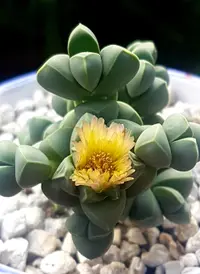
Delosperma lehmannii, often called ice plant, is a compact, mat-forming succulent known for its geometric, stacked, blue-green leaves. Each leaf is thick and water-storing, giving the plant a sculptural, almost architectural look. In good light, it produces small, daisy-like flowers that add seasonal color.
This species is native to arid regions of South Africa, where it thrives in rocky, fast-draining habitats with intense sun and minimal rainfall. Its drought tolerance and slow, low-growing habit make it suitable for small pots, rock gardens, and bright indoor spots. Understanding how to care for Delosperma lehmannii mainly involves providing strong light, very sharp drainage, and avoiding prolonged excess moisture.

Care Difficulty
Moderate Care

Light Preference
Full Sun

Water Requirements
Low Water

Temperature Preference
Warm Climate

Hardiness Zone
9–11

Soil Texture
Sandy, Loamy, Rocky

Soil pH
Slightly acidic (6.5–7.0), Slightly alkaline (7.0–7.5)

Soil Drainage
Well-drained

Fertilization
Minimal (feed rarely)
Scan your plant to receive care tips personalized for your specific plant
Available on iOS and Android
This compact ice plant thrives in bright, open sites that mimic its native rocky habitat.
This species is a drought-adapted succulent that prefers deep, infrequent watering and fast-drying soil.
This plant favors warm, dry conditions and handles a moderate amount of heat once established.
This succulent prefers dry air and typical indoor humidity around 30–50%.
Soil must be very fast-draining and airy to prevent root rot.
This species is well suited to container growing outdoors in sunny, dry locations.
This succulent needs only light feeding to stay compact and healthy.
This plant benefits from light, occasional pruning to keep mats dense and flowering well.
Repotting is infrequent, but correct timing and gentle handling help this succulent adapt well.
This species is commonly multiplied by stem cuttings and division of clumps.
Cold tolerance is moderate, so winter needs depend on local climate and whether it is container-grown.

Plant Health Check
Not sure what's wrong with your plant? Check your plant's health inside the app.
This species forms thick, triangular leaves packed with water-storing tissue that lets it survive long dry periods on exposed, rocky slopes in its native South African habitat.
The leaves grow in opposite, stacked pairs forming short vertical columns, a growth form that minimizes the leaf area exposed to intense sun and helps reduce water loss.
In habitat it often forms low, compact cushions nestled among quartzite or sandstone gravel, which stabilize the shallow root system and protect the plant from temperature swings.
This species performs best outdoors in bright, dry conditions, especially in rock gardens or troughs. Indoors it often stretches, loses shape, and is harder to keep dry. Delosperma lehmannii indoor care demands careful light and moisture control.
Keep your plants happy and healthy with plant identification, disease detection, and easy care guidance.


Panda Plant
Kalanchoe tomentosa 'Chocolate Soldier'
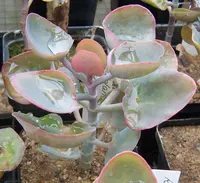
Kalanchoe synsepala
Kalanchoe synsepala
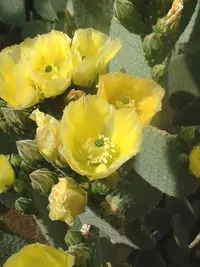
blind pricklypear
Opuntia rufida
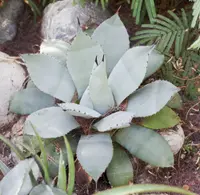
Artichoke agave
Agave parryi
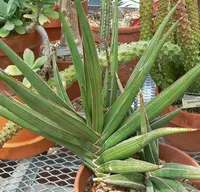
blue sansevieria
Dracaena hanningtonii
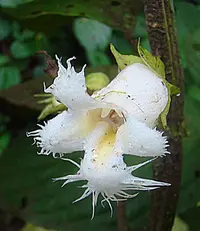
Drymonia lanceolata
Drymonia lanceolata
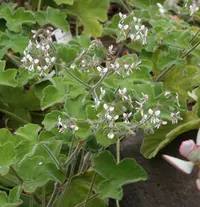
Peppermint-scented geranium
Pelargonium tomentosum
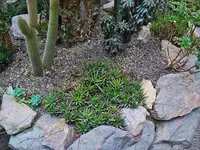
Haworthiopsis attenuata var. radula
Haworthiopsis attenuata var. radula