Pinch For Bushiness
Pinch back the soft tips of each stem every 3–4 weeks to encourage dense, low, colorful growth instead of long, weak, trailing shoots.

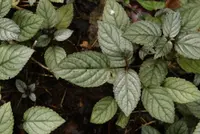
Strobilanthes alternata, commonly called waffle plant or red ivy, is a compact tropical perennial grown mainly for its colorful foliage. It forms low, spreading mats that suit small pots, shelves, and terrariums. Leaves are puckered like a waffle, often with purple, bronze, or green tones that deepen in good light.
This species originates from warm, humid regions in Asia and thrives in stable indoor conditions. It prefers bright, indirect light, evenly moist soil, and good drainage. When light, moisture, and temperature stay consistent, it is relatively easy to care for Waffle plant, but irregular watering or very dry air can cause leaf drop or fading color.

Care Difficulty
Moderate Care

Light Preference
Bright Indirect Light

Water Requirements
Keep Soil Moist

Temperature Preference
Tropical / Frost Sensitive

Hardiness Zone
10–11

Soil Texture
Loamy, Silty, Organic-rich

Soil pH
Acidic (5.5–6.5), Slightly acidic (6.5–7.0)

Soil Drainage
Moist but well-drained

Fertilization
Light (every 4–6 weeks)
Scan your plant to receive care tips personalized for your specific plant
Available on iOS and Android
Strobilanthes alternata prefers bright, indirect light to maintain compact growth and strong leaf color.
This species prefers evenly moist but not waterlogged soil, with brief drying at the surface between waterings.
This plant grows best in stable, warm conditions without sudden temperature swings or drafts.
This plant prefers consistently humid air to keep foliage vibrant and prevent leaf edge damage.
Strobilanthes alternata grows best in loose, moisture-retentive but fast-draining soil.
This species is very suitable for container growing due to its compact, spreading habit.
Strobilanthes alternata responds well to light, consistent feeding during its active growing season.
Pruning helps Strobilanthes alternata stay compact, dense, and colorful.
Repotting maintains root health and steady growth for this shallow-rooted ornamental.
New plants are most often produced from soft stem cuttings.
This plant is frost sensitive and needs protection in cool climates.

Plant Health Check
Not sure what's wrong with your plant? Check your plant's health inside the app.
The deep purple underside of its leaves results from anthocyanin pigments that help protect photosynthetic tissues from excess light and may improve light use in shaded understory habitats.
This species is native to humid, shaded environments in tropical Asia, where it typically grows as a low understory plant beneath taller vegetation and adapts to dappled light rather than full sun.
The plant forms soft, semi-succulent stems that store water but break easily, which makes it prone to mechanical damage yet also allows quick rooting of fallen fragments under suitable conditions.

In some tropical regions outside its native range, this species has escaped cultivation and can persist as a naturalized groundcover, showing how easily it can spread when climate and moisture closely match its preferred understory conditions.
Brown, crispy edges usually come from low humidity, underwatering, or excess fertilizer salts. Increase humidity around the plant, keep the potting mix lightly moist but not saturated, and flush the soil occasionally to remove built-up salts.
Keep your plants happy and healthy with plant identification, disease detection, and easy care guidance.