whorled milkweed Care (Asclepias verticillata)

whorled milkweed

About whorled milkweed

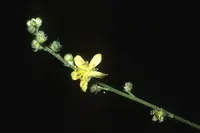
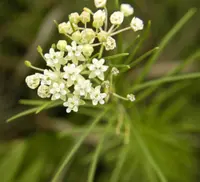
Whorled milkweed, Asclepias verticillata, is a slender, herbaceous perennial native to prairies, open woods, and roadsides across much of North America. It forms narrow, upright stems with very thin, whorled leaves and small white flower clusters that attract butterflies and other pollinators.

This species spreads by both seed and underground rhizomes, creating loose colonies over time. It is adapted to lean, often dry soils and tolerates heat and drought once established.

Because it evolved in tough conditions, it is generally low maintenance if placed in full sun and well-drained soil. Gardeners who learn how to care for whorled milkweed usually find it resilient and long lived.

Main Plant Requirements

Care Difficulty

Easy Care

Light Preference

Full Sun

Water Requirements

Low Water

Temperature Preference

Cold Hardy

Hardiness Zone

3–9

Soil Texture

Sandy, Loamy, Rocky

Soil pH

Slightly acidic (6.5–7.0), Neutral (7.0)

Soil Drainage

Well-drained

Fertilization

Minimal (feed rarely)

Get Personalized Care Plan

Scan your plant to receive care tips personalized for your specific plant

Available on iOS and Android

How to Care for the whorled milkweed

This sun-loving prairie perennial performs best with strong, direct light in open sites.

  • Provide 6–8 hours of direct sun daily; in hot southern climates, light afternoon shade prevents leaf scorch and excessive drying.
  • Plant whorled milkweed in an unshaded or lightly filtered spot; avoid dense shade, which causes weak, floppy stems and reduced flowering.
  • Ensure young plants are not shaded by taller vegetation; in late summer, trim surrounding growth if needed to maintain at least 4–5 hours of unobstructed sun.

This species prefers dry to moderately dry soil and is more tolerant of drought than excess moisture.

  • Allow the top 5–7 cm of soil to dry before watering; established Asclepias verticillata in the ground often needs no irrigation except during prolonged drought.
  • Water deeply but infrequently, focusing on soaking the root zone, and ensure soil drains quickly with no standing water within 30 minutes after watering.
  • Watch foliage: yellowing, soft stems, or a sour smell suggest overwatering, while drooping, thin leaves and dry, crumbly soil indicate the plant needs water.

This hardy perennial is adapted to continental climates with cold winters and warm summers.

  • Active growth occurs best at 70–85°F (21–29°C), with good performance in typical summer heat if soil is not waterlogged.
  • Dormant roots tolerate winter lows near 0°F (−18°C) in many regions, making the plant suitable for USDA zones that experience freezing winters.
  • New shoots and foliage are sensitive to hard frost; in spring, late freezes can burn emerging growth, but the crown usually resprouts once temperatures stabilize above 40°F (4°C).

Humidity is rarely a concern for Asclepias verticillata, which thrives in typical outdoor air.

  • Target 30–50% humidity, similar to average outdoor conditions in most temperate regions.
  • Plant tolerates extended dry air without harm, provided soil is not kept constantly wet.
  • Humidity stress appears more as root rot and yellowing from poor airflow and soggy soil than from dry air.

Asclepias verticillata prefers lean, well-drained mineral soils that stay on the dry side between waterings.

  • Use sandy or sandy-loam soil with coarse texture so water passes through quickly and roots receive ample oxygen.
  • Aim for slightly acidic to neutral pH, about 6.0–7.5, which suits most garden and native prairie soils.
  • For containers, mix roughly 60–70% coarse sand or grit with 30–40% standard potting mix for structure and some organic matter.
  • Avoid heavy clay, peat-heavy mixes, or anything that stays wet for more than 1–2 days after watering to reduce rot risk.

This species can be grown in containers, but pots must closely mimic its naturally dry, open root environment.

  • Choose a deep, narrow container to accommodate its taproot while limiting excess side volume that would hold unnecessary moisture.
  • Use a heavy or weighted pot material if placed in windy spots, since tall stems and dry, light mix can make the container tip-prone.
  • Raise the pot slightly on feet or bricks so drainage holes stay clear and runoff leaves the container area quickly after rain or watering.

This drought-tolerant native needs minimal feeding, so fertilizing whorled milkweed is usually optional in average garden soil.

  • If growth is very weak in poor soil, apply a light layer of compost in early spring as a gentle nutrient boost.
  • Use a low-dose, balanced NPK granular or slow-release fertilizer at half strength once in late spring, if needed.
  • Avoid summer overfeeding, which encourages lush, floppy growth and reduces drought and stress tolerance.
  • Do not feed in fall or winter, when the plant is dormant and not actively using nutrients.

Pruning Asclepias verticillata is simple and mainly focused on cleanliness and managing seeding.

  • In late fall or very early spring, cut back dead stems to just above ground level using clean, sharp pruners.
  • During the growing season, remove damaged or diseased stems and foliage promptly to limit pest and disease spread.
  • Deadhead spent flower clusters before pods mature if reduced self-seeding is desired in small gardens.
  • Light thinning of crowded stems can improve air flow and maintain a tidy, upright clump form.

This species is typically grown in the ground, and transplanting must respect its deep, sensitive taproot.

  • Transplant only when necessary, ideally in early spring or early fall, while the plant is small and soil is cool and moist.
  • Choose a sunny site with well-drained soil and avoid moving established plants more than once due to taproot stress.
  • Lift with a deep, wide soil ball to keep as much root system intact as possible and minimize disturbance.
  • Water thoroughly after transplanting, keep soil evenly moist (not waterlogged) for 2–3 weeks, then taper to normal drought-tolerant care.

Propagation of this milkweed is most reliable from seed, with some potential for division of young clumps.

  • Collect seed pods as they begin to split, then sow fresh seeds outdoors in fall for natural cold stratification over winter.
  • For spring sowing, chill seeds in moist medium at 35–40°F for 4–6 weeks, then sow in a bright, well-drained tray or nursery bed.
  • Maintain lightly moist, not soggy, soil until germination and early seedling establishment, then gradually reduce watering.
  • Division is possible only in young plants; lift carefully in early spring and separate small offsets with minimal taproot damage.

This cold-hardy perennial needs little winter care in most climates where it is grown outdoors.

  • Plants survive freezing temperatures and normal frost in USDA zones where they are commonly cultivated.
  • After stems die back, optional cutting to ground level keeps beds tidy without affecting winter survival.
  • In very cold or exposed sites, a light 2–5 cm mulch layer over the root zone can moderate soil temperature swings.

Care Tips

Control Underground Spread

Install a 20–30 cm deep root barrier or plant in a contained bed if you want to limit rhizome spread and keep clumps from invading nearby perennials or turf.

Encourage Strong Stems

Cut back old stems to 2–5 cm above ground in late winter so new growth emerges compact and sturdy, which reduces lodging and keeps plants upright in summer.

Staggered Seed Sowing

Collect dry pods as they split, store seed cool and dry, then cold-stratify and sow small batches over 2–3 weeks to ensure a more even stand and replace any gaps in the planting.

Support Beneficial Insects

Leave some seed pods and hollow stems standing through winter to provide habitat for native bees and other beneficial insects that help keep pest levels in balance when growing whorled milkweed.

Protect Developing Pods

If seed harvest is a goal, loosely cover selected pods with fine mesh bags before they split to prevent wind dispersal and ensure a clean, labeled seed supply for future propagation.

Common Pests and Diseases

oleander aphids

These insects cluster on stems, buds, and leaf undersides, sucking sap and causing distortion, yellowing, and sticky honeydew that can lead to sooty mold. Infestations are especially common on buds and new growth of whorled milkweed.

Solution

Pinch or hose off colonies with a strong stream of water, then monitor new growth closely. For persistent problems, use insecticidal soap or a light horticultural oil, applied in the early morning and repeated as needed while protecting nearby pollinators by avoiding open flowers.

milkweed tussock moth caterpillars

These caterpillars skeletonize leaves in groups, often stripping stems rapidly but usually not killing established plants. Defoliation is most noticeable in mid to late summer when colonies are large.

Solution

Hand-pick caterpillars from smaller or ornamental plantings and relocate them to other milkweeds if available. In most garden situations, allow some feeding, as plants typically regrow; only intervene when foliage loss is severe and you want to conserve leaves for monarch caterpillars.

monarch butterfly caterpillars

These larvae feed heavily on leaves and young shoots, sometimes consuming most of the foliage on small plants. Feeding damage appears as chewed leaf edges and missing sections rather than spotting or discoloration.

Solution

Support monarchs by planting multiple clumps so individual plants are not overwhelmed. If a young plant is being stripped and you want to preserve it, move some caterpillars to other milkweed plants rather than using any chemical control, since this species is critical for monarch development and Asclepias verticillata plant care must balance aesthetics and habitat value.

leaf spot

This disease causes brown to black spots or irregular lesions on leaves, sometimes with yellow halos, leading to premature leaf drop in warm, wet weather. Symptoms include more severe spotting in dense, poorly ventilated stands.

Solution

Remove and discard heavily spotted leaves to reduce the source of infection and avoid overhead watering that keeps foliage wet. Improve spacing and airflow, and if the problem recurs yearly, cut back and dispose of old stems and fallen debris at season’s end to limit overwintering spores.

powdery mildew

This disease appears as a white to gray powdery film on upper leaf surfaces and stems, sometimes causing leaf curling or early yellowing. Symptoms include more obvious growth in late summer during warm days and cool, humid nights.

Solution

Thin crowded stems or neighboring plants to increase light and airflow, and water at soil level rather than on foliage. Remove the most affected shoots and, if needed, apply a labeled potassium bicarbonate or sulfur-based fungicide early in the outbreak, following label directions carefully.

Interesting Facts

Narrow leaves as defense

Whorled milkweed has very slender, thread-like leaves arranged in a circular whorl around the stem, which reduces leaf area and likely limits water loss and herbivore damage compared with broader-leaved milkweeds.

High cardenolide toxicity

This species is one of the more poisonous North American milkweeds, with relatively high levels of cardenolides, a group of cardiac glycosides that can disrupt heart function in grazing livestock and some vertebrates.

Dry prairie specialist

Whorled milkweed naturally occurs in dry prairies, open woods, and roadsides on sandy or rocky soils, showing strong adaptation to low-fertility, drought-prone habitats where many other forbs struggle.

Botan icon

Did you know?

Whorled milkweed is often one of the last milkweed species still green and available late in the growing season, making it an important late resource for monarch butterfly caterpillars where it grows naturally.

FAQs about whorled milkweed

This species spreads gradually by both seed and slender rhizomes. In lean, dry soils it usually forms modest clumps, but in loose, sandy or disturbed sites it can drift outward and lightly colonize open spaces.

Grow Healthy Plants with Botan Care

Keep your plants happy and healthy with plant identification, disease detection, and easy care guidance.

Botan plant care app — identify plants on mobile

Explore More Plants