Horned Pansy Care (Viola cornuta)

Horned Pansy

About Horned Pansy

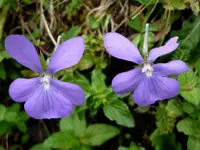
Horned pansy, Viola cornuta, is a compact, cool-season flowering perennial often grown as an annual in gardens and containers. It forms low mounds of foliage topped with many small, cheerful blooms. Flowers typically have a distinct “face” and narrow, horn-like spur at the back, which gives the plant its common name. Colors range from soft pastels to deep purples and bicolors. Native to the Pyrenees region of Europe, it is adapted to cooler climates and mild seasons. This species is considered relatively easy to grow, as long as it receives good light, regular moisture, and well-drained soil. Understanding how to care for Horned Pansy helps keep it blooming for an extended season.

Main Plant Requirements

Care Difficulty

Easy Care

Light Preference

Partial Sun

Water Requirements

Regular Water

Temperature Preference

Cool Climate

Hardiness Zone

5–9

Soil Texture

Loamy, Sandy, Organic-rich

Soil pH

Acidic (5.5–6.5), Slightly acidic (6.5–7.0)

Soil Drainage

Moist but well-drained

Fertilization

Light (every 4–6 weeks)

Get Personalized Care Plan

Scan your plant to receive care tips personalized for your specific plant

Available on iOS and Android

How to Care for the Horned Pansy

Viola cornuta grows best with bright, cool light that avoids intense midday sun.

  • Provide 4–6 hours of sun daily, ideally morning sun with light afternoon shade, especially in warmer climates.
  • Tolerates partial shade, performing well with dappled or filtered light under open trees, particularly in summer.
  • Too much hot afternoon sun can scorch leaves and fade flowers, while deep shade leads to weak, leggy growth and fewer blooms; adjust exposure seasonally as the sun angle changes.

Moist but not saturated soil supports healthy flowering and root growth.

  • Water when the top 2–3 cm of soil feels dry, aiming for consistently slightly moist conditions during active growth and bloom.
  • Ensure free-draining soil; standing water or heavy clay promotes root rot, yellowing leaves, and a limp appearance in Viola cornuta.
  • In cooler seasons or prolonged cloudy weather, extend the interval between waterings; in hot, windy periods, check soil more often to prevent wilting and crisp leaf edges.

Cool conditions suit this plant, with performance dropping in sustained heat.

  • Optimal growth occurs around 45–65°F (7–18°C), which supports compact plants and prolonged flowering.
  • Plants tolerate light frosts down to about 20°F (-6°C) once established, though repeated freeze–thaw cycles can damage roots and flower buds.
  • Above roughly 75–80°F (24–27°C), flowering slows and plants may stretch; provide afternoon shade and consistent moisture during warm spells to reduce heat stress.

Viola cornuta prefers moderately moist air but usually adapts well to typical outdoor humidity levels.

  • Aim for 40–60% humidity, which is normally available outdoors in most temperate regions.
  • Dry, hot winds can desiccate leaves and flowers, causing limp foliage and faster petal drop in Horned Pansy.
  • Increase local humidity by mulching the soil surface and grouping plants to reduce evaporation around the foliage.

Viola cornuta grows best in loose, moisture-retentive but fast-draining soil.

  • Use a loamy mix with 40–50% garden soil or potting mix, 30–40% compost, and 10–20% perlite or coarse sand for aeration.
  • Target a slightly acidic to neutral pH of 6.0–7.0 to support nutrient uptake and steady flowering.
  • Ensure water drains freely within a few seconds from the surface to avoid waterlogging and root rot.
  • Avoid compacted clay or heavy mixes; lighten them with compost and grit to improve pore space and root oxygen.

This species is very suitable for container growing on patios, balconies, and entryways.

  • Choose a wide, shallow pot because the plant forms a relatively shallow, spreading root system and does not need deep soil volumes.
  • Select terracotta or other porous materials if the site is rainy or cool to help excess moisture evaporate faster.
  • Elevate the container slightly on feet or bricks so drainage holes stay clear and runoff leaves the pot promptly.

Viola cornuta responds well to light, consistent feeding during its active growing season.

  • Use a balanced liquid fertilizer (such as 10-10-10) at 1/2 strength every 2–3 weeks in spring and fall when plants are in bloom.
  • Apply a thin layer of compost around plants at the start of the season to improve soil structure and slow nutrient release.
  • Choose a slow-release granular fertilizer for containers, following label rates to avoid salt buildup in the potting mix.
  • Reduce feeding of Horned Pansy in hot midsummer and stop or cut back to monthly at very weak strength in winter or during dormancy.

Pruning helps Viola cornuta stay compact and flower for a longer period.

  • Shear back spent flower stems and leggy growth by about 1/3 in late spring or after a heavy flush of blooms to encourage reblooming.
  • Remove dead, diseased, or frost-damaged foliage as needed using clean, sharp scissors or hand pruners to limit disease spread.
  • Thin crowded stems lightly to improve air movement through the plant, which reduces fungal problems and keeps the mound tidy.
  • Pinch fading flowers regularly to prevent seed set, directing more energy into new buds and a denser growth habit.

Transplanting and occasional repotting keep these short-lived perennials growing vigorously and flowering well.

  • Move garden plants in early spring or early fall when temperatures are mild and soil is workable, avoiding extreme heat or freeze periods.
  • Repot container-grown plants about once a year or when roots circle the pot and growth slows, selecting a container 2–3 cm wider.
  • Gently loosen circling roots and remove any dead portions, then set plants into fresh, well-drained potting mix at the same depth.
  • Water thoroughly after transplanting, then keep soil evenly moist and shaded for several days to reduce transplant shock and root stress.

Viola cornuta is commonly propagated by seeds, division, or soft cuttings to maintain flowering displays.

  • Sow seeds in late summer or early spring on moist, well-drained seed mix, covering very lightly, and keep at 60–65°F for good germination.
  • Divide healthy clumps in early spring or early fall, separating sections with several shoots and roots, then replant promptly.
  • Take non-flowering stem cuttings in late spring, insert into moist, free-draining medium, and maintain high humidity until rooted.
  • Provide bright, indirect light and steady moisture, avoiding waterlogging, to support strong root development in new plants.

These pansies are quite cold hardy but benefit from simple winter care in colder regions.

  • Viola cornuta tolerates light freezes and often blooms in cool weather, but prolonged hard frost can damage foliage.
  • Apply a 3–5 cm layer of mulch around the root zone in late fall to moderate soil temperature and reduce heaving.
  • In containers, move pots to a sheltered porch or unheated but bright space during severe cold to prevent root ball freezing.

Care Tips

Pinch for Bushiness

Regularly pinch out the soft shoot tips after planting to encourage compact, multi-branched growth and produce more flowering stems over the season.

Deadhead With Precision

Remove spent flowers by pinching or cutting just above the next leaf node to prevent seed set and keep the plant directing energy into new blooms instead of seed production.

Cool-Season Rotation

Plan planting windows around local climate by starting plants in late summer for fall–winter displays or in very early spring for late spring color, then replace them with warm-season bedding as soon as flowering declines in sustained heat.

Mulch the Root Zone

Apply a 2–3 cm layer of fine organic mulch around, but not touching, the crowns to keep roots cool, reduce soil splash on leaves, and moderate moisture during temperature swings.

Staggered Planting Blocks

For longer flowering displays when growing Horned Pansy, install 2–3 small batches a few weeks apart so that younger plants come into peak bloom as older ones begin to tire.

Common Pests and Diseases

Aphids

This pest often clusters on tender new growth, sucking sap and causing curled, sticky, and distorted leaves and flower stalks.

Solution

Rinse colonies off with a firm stream of water, then treat remaining insects with insecticidal soap or neem oil, repeating every 5–7 days until control is achieved and reducing excess nitrogen fertilizer that promotes soft, aphid-prone growth.

Powdery mildew

This disease appears as white or grayish powdery patches on leaves, stems, and sometimes flowers, often spreading in cool, dry conditions with poor air circulation.

Solution

Remove heavily infected leaves, increase spacing and airflow around plants, avoid wetting foliage late in the day, and apply a sulfur or potassium bicarbonate-based fungicide at first signs to protect new growth.

Crown rot (Phytophthora)

Symptoms include wilting, yellowing leaves, and a brown, mushy crown at soil level, especially in cool, wet conditions or poorly drained soils.

Solution

Discard severely affected plants, improve drainage and avoid waterlogged or compacted soil, water at the base rather than overhead, and use a fungicide labeled for Phytophthora on nearby plants if growing Horned Pansy in areas with a history of this problem.

Leaf spot (Alternaria)

This disease causes small, dark, water-soaked spots on leaves that can expand, sometimes with yellow halos, leading to premature leaf drop in humid weather.

Solution

Remove and dispose of infected leaves, avoid overhead watering, increase spacing to improve airflow, and if needed use a copper-based fungicide on remaining healthy foliage to limit further spread.

Slugs and snails

These pests chew irregular holes in leaves and petals, often leaving slime trails and causing noticeable damage during cool, damp periods.

Solution

Hand-pick at dusk or after rain, use iron phosphate bait around plantings, and reduce hiding places by clearing mulch and debris directly around plants while maintaining moist but not soggy soil conditions.

Interesting Facts

Alpine-origin viola

This species is native to the Pyrenees and other western European mountain regions, where it naturally grows in cool, open, rocky grasslands and light woodland edges.

Distinct horned spur

Each flower has a slender, elongated nectar spur at the back that looks like a little horn; this structure guides pollinators such as bees to the nectar while ensuring effective pollen transfer.

Long blooming season

Compared with many other violas, this species is known for flowering over a very long period in mild climates, often from spring into autumn if temperatures stay cool enough.
Botan icon

Did you know?

The species has played a key role in ornamental breeding, serving as a parent for many modern hybrid pansies and violas that combine its cold tolerance and long flowering season with larger, more showy blooms.

FAQs about Horned Pansy

Lack of blooms usually comes from too much heat, low light, or excess nitrogen fertilizer. Spent flowers left on the plant also reduce new buds. Deadhead regularly and keep conditions cool and bright to maintain flowering.

Grow Healthy Plants with Botan Care

Keep your plants happy and healthy with plant identification, disease detection, and easy care guidance.

Botan plant care app — identify plants on mobile

Explore More Plants