Apricot sourberry Care (Dovyalis zeyheri)

Also known as: Wild Apricot, Oval Kei Apple
Apricot sourberry

About Apricot sourberry

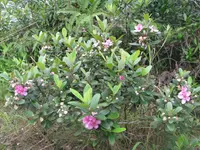
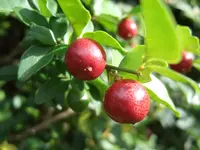
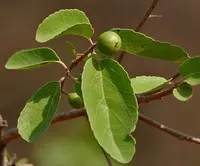
Apricot sourberry (Dovyalis zeyheri) is a spiny, deciduous shrub or small tree grown for its tangy orange fruits and dense, twiggy canopy. It usually forms a compact, bushy shape with sharp thorns and small, glossy leaves. Native to southern Africa, it often occurs in woodland margins and rocky hillsides, where it tolerates heat, wind, and short dry periods. The plant is generally robust but needs protection from hard frost in cooler regions. It responds well to pruning and can be used as a fruiting hedge or barrier. Understanding how to care for Apricot sourberry starts with providing sun, well-drained soil, and moderate, consistent moisture.

Main Plant Requirements

Care Difficulty

Moderate Care

Light Preference

Full Sun

Water Requirements

Moderate Water

Temperature Preference

Warm Climate

Hardiness Zone

9–11

Soil Texture

Sandy, Loamy, Organic-rich

Soil pH

Acidic (5.5–6.5), Slightly acidic (6.5–7.0)

Soil Drainage

Well-drained

Fertilization

Minimal (feed rarely)

Get Personalized Care Plan

Scan your plant to receive care tips personalized for your specific plant

Available on iOS and Android

How to Care for the Apricot sourberry

This sun-loving shrub fruits best in open, bright positions typical for Apricot sourberry in warm climates.

  • Provide 6–8 hours of direct sun daily, ideally with morning sun and some light afternoon shade in very hot regions to reduce leaf scorch.
  • Plant in a position with unobstructed exposure; it tolerates light partial shade (3–4 hours sun), but flowering and fruiting decline as shade increases.
  • In summer, protect young plants from harsh late-afternoon sun using nearby taller plants; in winter, maximize exposure by avoiding heavy shade from buildings or evergreens.

This drought-tolerant shrub prefers deep, infrequent watering once established.

  • Allow the top 5–8 cm of soil to dry before watering, using a finger test; the soil should feel dry, not cool and damp, at that depth.
  • In hot, dry periods, water thoroughly until the root zone is moist, then let excess drain away; in cooler or rainy seasons, reduce frequency to prevent root problems.
  • Watch for wilted, curling leaves and dry, brittle twigs as signs of underwatering, and for yellowing leaves and soft stems as indicators of excess moisture around Dovyalis zeyheri roots.

This species thrives in warm, frost-free climates with only short exposure to cooler temperatures.

  • Aim for active growth in 70–86°F (21–30°C); the plant tolerates brief peaks to 95°F (35°C) if soil moisture is adequate and roots are mulched.
  • Avoid temperatures below 28°F (-2°C); light frosts may burn young growth, while harder freezes can damage wood and reduce future fruiting.
  • In regions with cool winters, site the plant near a south-facing wall or heat-reflecting surface and avoid low-lying frost pockets that trap cold air.

This thorny fruit shrub tolerates a wide humidity range and rarely needs special humidity management.

This drought-tolerant shrub performs best in lean, fast-draining, slightly acidic to neutral soil.

  • Use a sandy or sandy-loam mix with 20–30% coarse sand or fine gravel to keep roots from staying wet.
  • Blend in 10–20% compost for moderate fertility without creating a heavy, waterlogged substrate for Dovyalis zeyheri.
  • Aim for pH 6.0–7.0; avoid strongly alkaline mixes, which can reduce nutrient availability and cause chlorosis.
  • Improve aeration in heavy mixes by adding 20–30% perlite or pumice and avoid any soil that compacts after watering.

This species can be grown successfully in containers outdoors in warm climates.

  • Choose a deep, heavy pot that resists tipping, as the shrub develops a woody, often top-heavy canopy with fruit load.
  • Use a wide container footprint so the spreading root system can anchor firmly and the plant is less likely to rock in wind.
  • Select a pot material that slightly insulates roots, such as thick-walled clay or composite, to buffer rapid moisture and temperature swings.

This drought-tolerant fruit shrub needs only modest feeding under most garden conditions.

  • Apply a light layer of well-rotted compost around the root zone in spring to support flowering and fruiting of Apricot sourberry.
  • If container-grown, use a balanced slow-release NPK fertilizer at label rate once in early spring and once in midsummer.
  • For liquid feeds, use a balanced NPK at 1/2 strength every 4–6 weeks during active growth if foliage looks pale.
  • Stop additional feeding in late summer so new growth hardens before winter dormancy.

Pruning Dovyalis zeyheri helps manage size, increase light penetration, and improve fruit quality.

  • Schedule main pruning in late winter or very early spring, before strong new growth starts.
  • Remove dead, diseased, or crossing branches first, then thin crowded interior shoots to open the canopy.
  • Shorten overly vigorous upright shoots to maintain a balanced, accessible shape for harvesting.
  • Use clean, sharp bypass pruners or loppers and make cuts just above outward-facing buds or branch junctions.

This species is usually grown in the ground, so focus on careful transplanting rather than frequent repotting.

  • Transplant young plants in late winter or early spring when soil is workable and temperatures are mild.
  • Choose a sunny, well-drained site and move shrubs that show stunted growth, poor fruiting, or outgrowing their current space.
  • Dig a wide planting hole, disturb circling roots gently, and set the root ball at the same soil level as before.
  • Water deeply after planting, then keep soil evenly moist and shaded at the base for 2–3 weeks to limit transplant shock.

New Dovyalis zeyheri plants are commonly raised from seed or semi-hardwood cuttings.

  • Collect ripe seed in late summer, clean off pulp, and sow in a free-draining mix kept at 70–77°F with bright, indirect light.
  • Use semi-hardwood cuttings in late summer, 10–15 cm long, treated with rooting hormone and inserted into a moist, coarse propagation mix.
  • Maintain high humidity around cuttings with a clear cover and ensure gentle bottom warmth for faster rooting.
  • Transplant seedlings or rooted cuttings into individual pots once roots are firm and several new leaves have formed.

This warm-climate shrub has limited frost tolerance and benefits from moderate winter protection in colder regions.

  • In USDA zones marginal for this species, add 5–8 cm of organic mulch around the root zone in late fall, keeping it off the trunk.
  • Wrap young trunks and main branches with breathable frost cloth during expected hard frosts.
  • Move container-grown plants into a bright, cool, frost-free space when night temperatures approach 32°F.

Care Tips

Thorn-safe handling

Use thick leather gloves and long sleeves when planting, pruning, or harvesting, and keep a dedicated, clearly marked tool set to avoid accidental injury from the dense, sharp spines.

Fruit-set planning

Plant at least 2–3 genetically different seedlings or cultivars within 3–5 m of each other to improve cross-pollination and fruit set, since many plants are not reliably self-fertile.

Windbreak management

Establish a permeable windbreak such as a hedge or mesh fence on the windward side to reduce branch breakage and fruit drop in exposed sites while still allowing good air movement.

Suckers and shoots

Monitor the base of the plant and nearby root zone for unwanted suckers, removing them cleanly with sharp pruners to keep energy directed into the main framework and maintain manageable size.

Harvest timing

Harvest fruit when fully colored and slightly soft to the touch, checking branches every few days during peak season so ripe fruit does not split or attract pests, which simplifies caring for Apricot sourberry in the long term.

Common Pests and Diseases

Scale insects

This pest feeds on stems and young shoots, sucking sap and leaving small brown or gray bumps along the branches. Symptoms include sticky honeydew, sooty mold growth, and reduced vigor or sparse foliage.

Solution

Prune out heavily infested twigs, then wipe remaining scales with a cloth dipped in diluted alcohol or insecticidal soap, focusing on the undersides of twigs and dense spur growth. For larger shrubs or light infestations, regular monitoring and 2–3 thorough sprays of horticultural oil during mild weather usually keep populations under control.

Fruit fly infestation

These insects lay eggs in ripening fruit, causing soft spots, internal tunneling, and premature fruit drop. Symptoms include small sting marks on the fruit skin and larvae inside the flesh, making fruit unusable.

Solution

Collect and destroy infested or fallen fruits promptly to break the life cycle, and use baited traps around the shrub during the fruiting season to reduce adult populations. Fine mesh bagging of developing fruit clusters and maintaining good orchard hygiene provide effective, chemical-free protection when growing Apricot sourberry.

Leaf spot

This disease causes small dark or tan spots on leaves that may expand and merge in humid, warm conditions. Symptoms include premature leaf yellowing and drop, especially on crowded, shaded branches.

Solution

Remove and discard affected leaves from the plant and ground, then thin out dense interior growth to improve airflow and light penetration. If wet weather persists, a copper-based fungicide applied according to label directions can help protect new leaves until conditions dry out.

Powdery mildew

This disease appears as a white or gray powdery coating on young leaves and soft shoots, often during warm days and cool, humid nights. Symptoms include distorted new growth and reduced vigor if left unmanaged.

Solution

Increase sunlight and airflow by pruning congested stems and avoiding overhead watering in the evening. At first signs, treat foliage with a labeled sulfur or potassium bicarbonate product, repeating as needed, and remove heavily infected shoots to reduce spore sources.

Interesting Facts

Thorny antelope barrier

In its native southern African range, this species is sometimes planted as a living barrier because its dense, sharply spined branches can deter browsing antelope and other large animals.

Causes male sterility

The plant is functionally dioecious in cultivation because many male flowers are sterile, so fruit production usually depends on planting multiple individuals or selecting known female plants.

Dryland fruit adaptation

The small, tart orange fruits develop on a shrub that tolerates rocky, seasonally dry habitats, an adaptation that allows it to produce edible fruit in low-input, marginal landscapes.

FAQs about Apricot sourberry

This species grows at a moderate rate. In suitable outdoor conditions it usually extends 20–40 cm per year, faster in deep, fertile soil and warm climates, and slower in containers or poor, compacted ground.

Grow Healthy Plants with Botan Care

Keep your plants happy and healthy with plant identification, disease detection, and easy care guidance.

Botan plant care app — identify plants on mobile

Explore More Plants