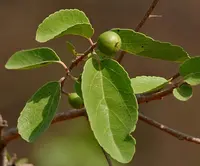
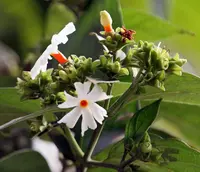
Gewa Care (Excoecaria agallocha)

Also known as: milky mangrove, blind-your-eye mangrove, blind your eye
Gewa

About Gewa

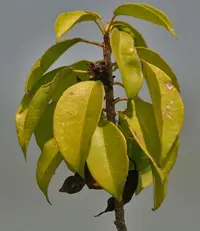
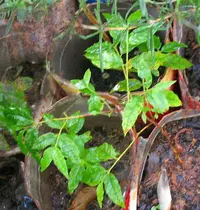
Gewa (Excoecaria agallocha) is a small to medium mangrove tree native to coastal swamps and tidal creeks across South and Southeast Asia and northern Australia. It typically forms a dense, upright crown with simple, glossy leaves on branching, often multi-stemmed trunks.

This species is adapted to brackish, waterlogged soils and saline conditions, so it is not a typical indoor or garden plant. Its milky sap is highly irritant, which strongly affects how to care for Gewa and limits safe handling.

In nature it grows in full sun, periodic flooding, and soft, muddy substrates, making it suitable mainly for specialized coastal restoration or mangrove systems rather than ordinary home cultivation.

Main Plant Requirements

Care Difficulty

Moderate Care

Light Preference

Full Sun

Water Requirements

Aquatic

Temperature Preference

Tropical / Frost Sensitive

Hardiness Zone

10–12

Soil Texture

Sandy, Loamy, Silty

Soil pH

Slightly acidic (6.5–7.0), Neutral (7.0)

Soil Drainage

Waterlogged tolerant

Fertilization

Minimal (feed rarely)

Get Personalized Care Plan

Scan your plant to receive care tips personalized for your specific plant

Available on iOS and Android

How to Care for the Gewa

This coastal mangrove shrub prefers strong light with some protection from harsh inland conditions.

  • Provide 6–8 hours of sun with filtered or dappled light at midday; morning sun plus light afternoon shade suits Gewa in most locations.
  • In open coastal sites it tolerates full sun, but young plants benefit from 30–40% shade cloth to reduce leaf scorch and moisture loss.
  • Inland or shaded sites need brighter exposure in winter; sparse new growth and elongated stems indicate insufficient light and a need for more sun exposure.

This species is adapted to wet, often brackish habitats and tolerates fluctuating moisture.

  • Maintain soil that stays moist but not stagnant; in non-tidal plantings, allow only the top 2–3 cm to dry slightly before watering again.
  • Use soil or a planting site with good drainage to avoid anaerobic conditions, watching for yellowing, soft leaves and sour smell as signs of overwatering.
  • Leaf drop, curling, and brittle twigs indicate underwatering, especially during hot, dry periods when Excoecaria agallocha benefits from deeper, slower irrigation.

This mangrove shrub prefers warm, frost‑free conditions throughout the year.

  • Optimal growth occurs around 75–90°F (24–32°C), typical of tropical and subtropical coasts where soil and water stay warm.
  • It tolerates brief drops to about 45–50°F (7–10°C), but repeated exposure below this range slows growth and can damage young shoots.
  • The plant is highly sensitive to frost; sustained temperatures below 40°F (4°C) can kill tissues, while short heat spikes to 100°F (38°C) are tolerated if roots remain moist.

This mangrove shrub prefers consistently high humidity similar to coastal wetlands.

  • Aim for 60–80% humidity, as Gewa is adapted to moist, marine air rather than dry indoor conditions.
  • Dry air can cause leaf edge browning, slowed growth, and increased leaf drop in container-grown plants.
  • Increase humidity with grouped plantings near water features, large pebble trays kept wet, or by locating plants in sheltered, wind-protected outdoor spots.

Excoecaria agallocha prefers moist, aerated, saline to brackish substrates with strong drainage.

  • Use a sandy or sandy-loam mix with coarse sand and fine gravel to mimic tidal mangrove soils while still allowing root aeration.
  • In non-saline landscapes, blend 60–70% sand with 20–30% composted organic matter and 10–20% fine grit to prevent compaction.
  • Target a slightly acidic to neutral pH around 6.0–7.0, avoiding highly alkaline mixes that reduce nutrient availability.
  • Avoid dense clay, waterlogged sites, or peat-heavy potting mixes that stay saturated and exclude oxygen from the root zone.

This species can be grown in containers, especially for controlled landscape or research settings.

  • Choose a wide, heavy container to prevent tipping, as the shrub can become tall and top-heavy in exposed sites.
  • Use an extra-deep pot to allow strong anchoring roots, particularly if grown in windy coastal locations.
  • Ensure fast drainage with multiple large holes and a coarse bottom layer so saline irrigation water does not stagnate around the roots.

Excoecaria agallocha is typically nutrient-efficient in coastal and mangrove soils, so only light, supplemental feeding is needed in managed plantings.

  • Use a balanced, slow-release NPK fertilizer or well-rotted compost at the start of the warm growing season.
  • Apply light doses every 8–10 weeks during active growth, avoiding heavy applications that encourage weak, lush shoots.
  • Reduce feeding to once, or not at all, in cooler months when growth slows, especially for Gewa in marginal climates.
  • Dilute liquid feeds to 1/2–1/4 strength and water the root zone well before and after application to limit salt stress.

Pruning Excoecaria agallocha is mainly done for structure, safety, and access rather than for flowering control.

  • Carry out light structural pruning at the end of the dry season or just before vigorous new growth begins.
  • Remove dead, diseased, storm-damaged, or rubbing branches to maintain a stable, safe canopy.
  • Thin crowded interior shoots to improve airflow and light penetration while keeping the natural form.
  • Use sharp, clean loppers or a pruning saw and make smooth cuts just outside the branch collar to aid healing.

This mangrove tree is rarely container-grown, so management focuses on transplanting young plants to suitable coastal or wetland sites.

  • Transplant during warm, stable weather when soil is moist and tides or irrigation can maintain consistent water availability.
  • Choose seedlings or saplings with compact, non-circling root systems to minimize transplant shock and establish faster.
  • Dig a wide planting hole, set the root flare at soil level, backfill with native soil, and firm gently to remove air pockets.
  • Water deeply after planting, provide temporary windbreaks if sites are exposed, and monitor for leaf wilt or slowed growth as signs of stress.

Excoecaria agallocha is usually propagated in restoration or nursery settings rather than by home growers.

  • Use semi-hardwood stem cuttings taken in warm seasons, when plants show active but not soft growth.
  • Place cuttings in a sandy, well-drained but consistently moist medium under high humidity and bright, filtered light.
  • Apply a rooting hormone to the cut base and keep temperatures around 75–85°F to support root initiation.
  • Seed propagation is possible but slower; sow fresh seed in saline-tolerant, moist substrates and maintain gentle water movement if mimicking mangrove conditions.

This tropical, coastal species is not frost-tolerant and needs protection in regions with cool or freezing winters.

  • In areas below 40°F, grow Excoecaria agallocha in large containers that can be moved into a heated greenhouse or sunroom.
  • Maintain winter indoor temperatures above 55°F and provide bright light to reduce leaf drop.
  • For plants in mild coastal climates, add a light mulch around the root zone to buffer short cool spells.

Care Tips

Salt-tolerance management

Periodically leach the root zone with low-salinity water at ebb tide or after irrigation so accumulated salts move away from the root area, which helps maintain healthier growth in this naturally coastal species.

Stilt-root stabilization

In young plantings on soft or eroding shorelines, lightly mound mineral soil or sand around emerging stilt roots rather than burying them deeply, so they anchor the plant while still receiving enough oxygen.

Protective buffer planting

Establish a buffer strip of non-edible, salt-tolerant shrubs or grasses around Gewa stands in managed landscapes to reduce human contact with the irritating latex and to stabilize the surrounding soil.

Latex-safe handling

When pruning or thinning, always use gloves, eye protection, and long sleeves, and rinse tools with soapy water after work so the caustic latex does not cause skin or eye irritation or damage equipment over time.

Tidal-site selection

For coastal restoration or growing Gewa in managed mangrove zones, position plants where they experience regular but not constant tidal flooding, which encourages strong root development without prolonged anoxia in the soil.

Common Pests and Diseases

Leaf miner damage

This pest tunnels inside the leaf tissue, creating pale, winding trails that can cause premature yellowing and drop of older leaves. Symptoms include serpentine mines that are easy to see when leaves are held to the light.

Solution

Remove and destroy heavily mined leaves to break the life cycle, and avoid overhead stress such as severe pruning that can trigger flushes of soft, vulnerable foliage. In nursery or landscape settings, apply a targeted systemic insecticide or neem-based product according to label directions when new flushes appear, and encourage natural predators by minimizing broad-spectrum chemical sprays.

Scale insects

These insects attach to stems and leaf midribs, sucking sap and weakening plants, which may lead to leaf yellowing and localized dieback. This pest often appears as small, dome-shaped bumps and may excrete sticky honeydew that attracts sooty mold.

Solution

Prune out and destroy heavily infested twigs and gently scrub clusters from bark and leaves with a soft brush and mild soapy water. For larger trees or repeated infestations, use horticultural oil during calm, cool periods to smother scale, and if needed apply a suitable systemic product in early season, following label safety guidance for mangrove environments and nearby water bodies.

Sooty mold

This disease is a superficial black fungal growth that develops on leaves and stems where sap-sucking insects have left honeydew deposits. Symptoms include a dark, soot-like coating that can reduce photosynthesis and overall vigor if dense.

Solution

Control underlying pests such as scale or mealybugs first, then gently wash affected foliage with clean water or mild soapy water to remove the fungal layer. Improve light penetration and air movement by selectively thinning crowded branches, and avoid unnecessary foliar sprays that leave sticky residues, which favor new fungal growth.

Leaf spot

This disease causes brown or dark olive circular to irregular lesions on leaves, sometimes with yellow halos and premature leaf drop on stressed plants. Symptoms include scattered spots that may coalesce on older foliage, especially in shaded, poorly ventilated stands.

Solution

Collect and remove fallen leaves from around the base to reduce inoculum, and avoid wetting foliage when irrigating in nursery or landscaping situations. Improve air circulation through careful thinning, and where Excoecaria agallocha plant care is intensive, use a compatible copper or biofungicide product preventively during extended wet, warm periods, following local environmental regulations for mangrove areas.

Interesting Facts

Blinding milky latex

This mangrove species produces a white sap that can cause severe eye inflammation and temporary blindness if it comes into contact with the eyes, which is why it is often called the blinding tree.

Sexes on separate trees

It is a dioecious species, meaning individual trees are either male or female, so pollen and seed production occur on different plants within the population.

Mangrove habitat specialist

The tree naturally grows in tidal estuaries and mangrove swamps across the Indo‑Pacific, tolerating saline, waterlogged soils that would kill many non‑mangrove species.

Botan icon

Did you know?

In parts of its native range, smoke from burning wood or leaves of this species is reported to be highly irritating, causing coughing and eye watering, so local communities traditionally avoid using it as firewood.

FAQs about Gewa

This mangrove tree is relatively fast-growing in warm, brackish coastal sites, often adding 30–80 cm of height per year. Mature trees typically reach 5–15 m tall, sometimes more, with a broad, irregular crown.

Grow Healthy Plants with Botan Care

Keep your plants happy and healthy with plant identification, disease detection, and easy care guidance.

Botan plant care app — identify plants on mobile

Explore More Plants