Green pin-cushion alga Care (Cladophora columbiana)

Green pin-cushion alga

About Green pin-cushion alga

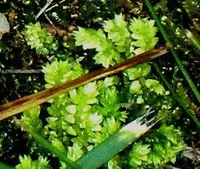
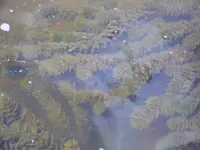
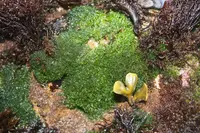
Green pin-cushion alga, Cladophora columbiana, is a filamentous green alga that forms rounded, cushion-like mats in fresh or slightly brackish water. It is not a vascular plant but a simple photosynthetic organism. Dense tufts often attach to rocks, wood, or other hard surfaces, creating bright to deep green clusters. In nature, it occurs in streams, lakes, and wetland edges in cooler, clean waters. It is relatively undemanding if water quality is stable, but it can suffer in polluted or strongly heated systems. Light to moderate water movement and consistent, cool conditions support healthy growth and make it easier to care for Green pin-cushion alga.

Main Plant Requirements

Care Difficulty

Moderate Care

Light Preference

Partial Shade

Water Requirements

Aquatic

Temperature Preference

Cool Climate

Hardiness Zone

Unknown

Soil Texture

Silty, Organic-rich

Soil pH

Slightly acidic (6.5–7.0)

Soil Drainage

Waterlogged tolerant

Fertilization

Minimal (feed rarely)

Get Personalized Care Plan

Scan your plant to receive care tips personalized for your specific plant

Available on iOS and Android

How to Care for the Green pin-cushion alga

This aquatic alga prefers bright, indirect light that mimics shallow, gently lit freshwater habitats.

  • Provide 6–8 hours of bright, filtered light per day, such as morning sun or light softened by overhanging plants or structures.
  • Protect Green pin-cushion alga from intense midday and late-afternoon sun; strong direct light for several hours can cause bleaching and thinning of the filaments.
  • In darker seasons or shaded ponds, ensure at least moderate brightness; very low light over weeks leads to slower growth, loose mats, and gradual decline.

Cladophora columbiana requires consistently clean, well-oxygenated water rather than soil-based watering.

  • Aim for steady water levels with gentle movement; in ponds or aquaria, avoid stagnant conditions that encourage decay around the algal cushions.
  • If growth becomes pale or breaks apart, check for sudden changes in water quality or prolonged drought of the habitat rather than increasing water volume alone.
  • Watch for signs of stress such as foul odor, slimy breakdown, or dark, collapsing clumps, which often indicate poor water circulation, excess nutrients, or organic buildup.

This freshwater alga grows best in cool to mild water temperatures without rapid extremes.

  • Optimal growth occurs around 60–72°F (16–22°C), where filaments stay dense and green; stable conditions support healthier colonies.
  • It tolerates down to about 41°F (5°C) in natural habitats, but repeated freezing or ice lock can damage or detach cushions from their substrate.
  • Sustained water above 77–82°F (25–28°C) reduces vigor; in warm seasons provide shade and good circulation to limit heating and prevent stress.

This freshwater alga prefers consistently high humidity, typical of closed aquatic or paludarium setups.

  • Aim for 70–100% humidity by keeping it fully or mostly submerged, or in tightly enclosed high-humidity tanks.
  • It tolerates brief exposure to drier air but prolonged humidity below 60% leads to dull, flattened cushions and tissue thinning.
  • Increase humidity with covered aquaria, tight-fitting lids, and reduced surface agitation that would otherwise promote rapid evaporation, while still maintaining adequate water movement.

This species does not use soil; it anchors to hard surfaces in water, so the focus is on substrate choice rather than terrestrial soil preparation.

  • Attach Cladophora columbiana to inert, hard substrates such as rocks, driftwood, or aquarium decorations instead of any loamy or sandy base.
  • Use a thin layer of fine gravel or coarse sand only as a mechanical anchor; avoid organic-rich substrates that trap debris directly around the algal cushions.
  • Ensure moderate water movement around the attachment surface to maintain oxygenation and prevent detritus buildup that would mimic poorly drained, anaerobic soil.
  • Avoid burying the algal mass, as this blocks light and flow, encouraging rot and detachment from the chosen substrate.

This species is very suitable for container culture in aquaria, jars, or paludarium pools.

  • Choose wide, shallow containers when possible to maximize light exposure across the algal surface while keeping water depth manageable for maintenance.
  • Use heavy stones or weighted décor as anchor points so the cushions do not float or shift with water movement inside the container.
  • In small jars or nano tanks, limit strong aeration or filters that could physically dislodge the algal clumps from their hard substrates.

Cladophora columbiana in aquaria needs only light, controlled nutrition to avoid water quality problems while supporting steady growth.

  • Use a balanced, dilute liquid NPK aquarium fertilizer at 1⁄4–1⁄2 strength, tailored to low-demand plants.
  • Dose during the active growth period every 1–2 weeks, based on water test results for nitrate and phosphate.
  • Reduce or stop dosing in winter or when growth slows, to prevent algae imbalances in Green pin-cushion alga setups.
  • Avoid heavy compost or slow-release pellets in the substrate, which can create anaerobic zones and excess nutrients.

Pruning Cladophora columbiana is mainly about biomass control and maintaining healthy, well-lit cushions.

  • Trim during active growth, using sharp aquascaping scissors to remove outer, overgrown layers.
  • Cut away discolored, decaying, or shaded interior portions to reduce detritus and improve water flow.
  • Shape clumps by trimming uneven edges, which encourages denser, more compact growth patterns.
  • Remove trimmed material from the tank promptly to limit nutrient spikes and unwanted algae spread.

This filamentous alga is not repotted in the usual sense but can be repositioned or divided in aquaria when growth becomes excessive.

  • Look for loose, oversized cushions, shading issues, or trapped debris as signs it needs thinning or relocation.
  • Transplant during stable tank conditions, ideally outside major water-parameter changes or filter maintenance.
  • Gently separate clumps by hand under water, avoiding tearing that releases many free-floating strands.
  • Rinse divisions in tank water, then secure lightly between rocks or decor to reduce stress and drifting.

Propagation of Cladophora columbiana occurs mainly through mechanical division of established clumps.

  • Divide mature cushions in spring or early in the tank’s photoperiod cycle, when growth is active.
  • Gently pull or cut the algal mass into smaller, intact sections under water to limit damage.
  • Place divisions where there is moderate flow and stable light to support photosynthesis and regrowth.
  • Maintain stable temperature and nutrients, avoiding sudden changes that can slow recovery or encourage nuisance algae.

In indoor aquaria, this alga needs stable conditions rather than classic winter protection measures.

  • Maintain water within the species’ preferred cool-to-moderate temperature range, avoiding rapid drops.
  • For unheated rooms, monitor temperature and insulate the tank or use a heater if water nears freezing risk.
  • Outdoor containers in cold climates should be moved indoors or kept in frost-free spaces over winter.

Care Tips

Rotate Light Exposure

Turn the container or adjust the aquarium flow every 1–2 weeks so the algal cushions receive light from different angles, which helps maintain a compact, even dome shape instead of flattening on one side.

Control Flow Strength

Position cushions where water movement is gentle to moderate, as too-strong flow can tear filaments while still water encourages debris buildup and unhealthy, patchy growth.

Manual Debris Cleaning

Every 2–4 weeks, gently lift each cushion and swish it in a separate container of aquarium water to remove trapped detritus without damaging the algal structure or shocking it with tap water.

Companion Selection

Avoid housing the alga with aggressive herbivores such as large plecos or goldfish, and instead choose small, non-grazing fish and invertebrates that will not continuously pick at or uproot the cushions.

Quarantine New Additions

Before adding new plants, rocks, or hardscape, keep them in a separate container for 1–2 weeks to reduce the risk of introducing nuisance algae or pathogens that compete with or overgrow this species when caring for Green pin-cushion alga.

Common Pests and Diseases

Filamentous algal overgrowth

Symptoms include dense, loose green filaments spreading from the original tuft and smothering its pin-cushion shape. This condition often develops in nutrient-rich, high-light aquaria or ponds.

Solution

Reduce light intensity or duration to 6–8 hours, lower dissolved nutrients by smaller, more frequent feedings and partial water changes, and manually remove excess filaments by gently twirling them around a stick or gloved fingers. Improve circulation so debris does not settle on the colony, and use balanced fertilization to avoid chronic nitrate and phosphate surplus when growing Green pin-cushion alga in controlled systems.

Cyanobacterial slime

This disease appears as dark green, blue-green, or reddish slimy sheets that coat the algal tufts and nearby hardscape. This pest competes with the alga for light and oxygen and can cause slow dieback of the cushion.

Solution

Siphon or gently peel off slimy mats during water changes, increase water movement, and correct underlying issues such as excess dissolved nutrients and low oxygen. Reduce organic waste by removing decaying plant material and uneaten food, and consider short-term light reduction while maintaining stable water parameters.

Epiphytic diatom film

This disease forms a brown, dusty or slimy coating that dulls the bright green color and blocks light from the filaments. It is most common in new or unstable aquaria with high silicate levels and low competition from other algae.

Solution

Wipe or gently rub the cushions under tank water to dislodge the film, then siphon away loosened material. Improve water stability with regular partial water changes, control silicate sources if possible, and maintain consistent lighting and nutrient levels so the native alga can outcompete the diatoms without drastic parameter swings.

Snail grazing damage

This pest issue is marked by uneven thinning, ragged patches, or hollowed sections where snails have repeatedly fed on the filaments. Damage is gradual but can deform or shrink the cushions over time.

Solution

Reduce numbers of grazing snails by manual removal, snail traps, or limiting excess food that supports large populations. Provide alternative food sources like softer plant material or algae wafers, and reposition or separate valuable colonies into areas with fewer or no grazing invertebrates if necessary.

Fish picking and shredding

This pest problem occurs when certain fish repeatedly nip, pull, or tear at the cushions, leading to loose fragments, irregular shapes, and slow decline. Symptoms include floating tufts and a frayed, uneven surface on remaining colonies.

Solution

Observe stocking behavior and relocate persistent pickers or the alga to a different tank or section protected by hardscape. Offer alternative grazing materials or supplemental foods to reduce interest in the alga, and gently remove loose debris so damaged areas stay clean and can recover under stable water conditions.

Interesting Facts

North American endemic

This freshwater green alga is native to North America and is most often recorded from cool, well-oxygenated streams and rivers in the Pacific Northwest and adjacent regions, rather than occurring worldwide like many other Cladophora species.

Preference for clean water

Field surveys have shown that this species is more abundant in relatively unpolluted, low-nutrient waters, so its presence is sometimes associated with higher water quality in parts of its range.

Distinct branching pattern

Under a microscope, this alga shows a characteristic pattern of coarse, repeatedly branched filaments with clear cross-walls (septa), which helps phycologists distinguish it from similar green filamentous algae collected in flowing waters.

FAQs about Green pin-cushion alga

Growth is usually slow to moderate. In stable, nutrient-rich, cool water, mats may thicken by a few millimeters per month. Poor light, low nutrients, or high temperatures slow development and can cause thinning or partial dieback.

Grow Healthy Plants with Botan Care

Keep your plants happy and healthy with plant identification, disease detection, and easy care guidance.

Botan plant care app — identify plants on mobile

Explore More Plants