Bandanna-of-the-Everglades Care (Canna flaccida)

Also known as: bandanna of the Everglades, Golden Canna
Bandanna-of-the-Everglades

About Bandanna-of-the-Everglades

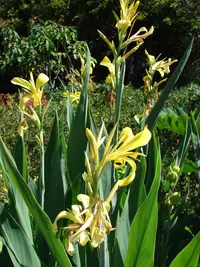
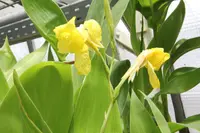
Bandanna-of-the-Everglades (Canna flaccida) is a semi-aquatic perennial often found along the edges of ponds, marshes, and slow-moving waters. It forms clumps of upright, sword-like leaves with soft, drooping yellow flowers.

Native to the southeastern United States, especially the Everglades region, it is adapted to warm, humid conditions and wet, even boggy soils. The plant spreads gradually by rhizomes, creating dense stands in shallow water or saturated ground.

This species is considered relatively easy to grow where winters are mild, as long as its need for consistent moisture is met. Understanding how to care for Bandanna-of-the-Everglades mainly involves providing sun, warmth, and a reliably damp substrate.

Main Plant Requirements

Care Difficulty

Moderate Care

Light Preference

Full Sun

Water Requirements

Aquatic

Temperature Preference

Tropical / Frost Sensitive

Hardiness Zone

7–11

Soil Texture

Loamy, Silty, Organic-rich

Soil pH

Acidic (5.5–6.5), Slightly acidic (6.5–7.0)

Soil Drainage

Waterlogged tolerant

Fertilization

Moderate (every 2–4 weeks)

Get Personalized Care Plan

Scan your plant to receive care tips personalized for your specific plant

Available on iOS and Android

How to Care for the Bandanna-of-the-Everglades

This species prefers high light but tolerates some shade in warm climates.

  • Provide 6–8 hours of direct sun daily, ideally with morning sun and light afternoon shade to protect leaves from scorching in hot summers.
  • Bandanna-of-the-Everglades also grows in bright, open shade where it still receives dappled or reflected light for most of the day, though flowering may be reduced.
  • In cooler seasons or climates, allow more direct sun; in very intense summer sun, use nearby taller plants or structures to create filtered afternoon light.

This aquatic canna thrives in consistently wet conditions and should not dry out.

  • Maintain soil or substrate constantly moist to saturated; in garden beds, water whenever the top 2–3 cm feel just barely damp rather than dry.
  • Canna flaccida handles shallow standing water around the rhizomes, but soil should still contain organic matter so roots receive some oxygen and do not rot easily.
  • In cooler months reduce added water slightly if growth slows, and watch for yellowing, mushy stems as a sign of chronic overwatering in poorly drained ground.

This species prefers warm, frost-free conditions for reliable growth and flowering.

  • Optimal growth occurs around 70–86°F (21–30°C), typical of long, warm summers in subtropical or warm temperate regions.
  • Plants are damaged near 32°F (0°C) and rhizomes can be killed by hard frost below about 25°F (−4°C) if left unprotected in the ground.
  • In hot spells up to 95°F (35°C), ample moisture and some afternoon shade limit stress; in colder regions, lift and store rhizomes above 40°F (4°C) over winter.

This species prefers consistently moist air but adapts to typical outdoor humidity in much of its range.

  • Aim for 50–70% humidity, especially in hot sun or when growing Bandanna-of-the-Everglades in sheltered spots.
  • In very dry air, leaf tips may brown and edges curl while flowers may abort early.
  • Increase humidity outdoors by grouping plants near water features or damp mulch, and indoors by using trays with wet pebbles.

Canna flaccida thrives in rich, wet to waterlogged soils but still benefits from structure that prevents stagnation.

  • Use a deep, organic-rich loam or clay-loam with plenty of compost to support vigorous rhizome and foliage growth.
  • Soil can range from slightly acidic to neutral (pH 6.0–7.0), which supports nutrient availability and root health.
  • In garden beds, mix in composted manure and fine bark to improve structure while still allowing the soil to stay saturated.
  • Avoid very sandy, fast-draining soils and compacted anaerobic muck, which either dry roots too quickly or limit oxygen completely.

This species can perform very well in large containers, especially for water-garden or patio displays.

  • Select a wide, heavy container to stabilize tall stems and spreading rhizomes in wind or near water features.
  • Use a dense, compost-rich mix with minimal perlite so the substrate stays saturated without floating out of the pot.
  • Place the container inside a decorative outer pot or pond basket to keep it upright if partially submerged in shallow water.

Canna flaccida responds well to modest, consistent feeding during its active growing season.

  • Use a balanced, slow-release fertilizer (around 10-10-10) or rich compost mixed into the topsoil in spring.
  • Feed every 4–6 weeks while growth is strong, especially when growing Bandanna-of-the-Everglades in lean or sandy soils.
  • Apply at half to three-quarter label strength for container plants to avoid salt buildup and leaf burn.
  • Stop feeding in late summer to early fall so plants can naturally slow growth before dormancy.

Canna flaccida benefits from simple seasonal pruning to maintain flowering and tidy growth.

  • In summer, deadhead spent flower spikes down to the first healthy leaf to encourage new blooms.
  • Remove yellowing, diseased, or torn leaves at the base with clean, sharp pruners to reduce pest and disease pressure.
  • In late fall after frost has blackened foliage, cut stems back to 5–10 cm above ground level.
  • Thin crowded clumps every few years to improve air movement and maintain strong, upright growth.

Canna flaccida is most often grown in the ground, where lifting and transplanting the rhizomes keeps clumps vigorous.

  • Plan to divide and transplant every 3–4 years, or when flowering declines and clumps become congested.
  • Lift rhizomes in late winter to early spring, before strong new growth, using a fork to reduce root damage.
  • Inspect for circling or crowded roots in containers; move to a slightly larger pot with free-draining, rich soil mix.
  • Replant divisions at the same depth, water thoroughly, and keep soil evenly moist for 1–2 weeks to limit transplant shock.

Canna flaccida is commonly propagated by rhizome division, with seed used mainly for breeding or large-scale sowing.

  • Divide healthy rhizomes in late winter to early spring, ensuring each piece has at least 1–2 viable buds and some roots.
  • Plant divisions in moist, fertile soil and maintain 65–75°F soil temperatures for steady sprouting.
  • For seeds, scarify the hard coat lightly and sow in warm (70–80°F), consistently moist seed mix with bright light.
  • Label new clumps and space adequately to allow air flow and reduce future overcrowding.

Canna flaccida is frost-tender and needs thoughtful winter care in regions with freezing temperatures.

  • In mild climates (zones 8–10), apply a 5–10 cm mulch layer over the root zone after foliage dies back.
  • Where winters drop below about 20°F, lift rhizomes after frost, dry slightly, and store in barely moist peat or sawdust.
  • Keep stored rhizomes at 40–50°F in a dark, ventilated place, checking occasionally for rot or complete drying.
  • Move container-grown plants indoors to a cool, bright, frost-free space and water sparingly to keep rhizomes from shriveling.

Care Tips

Rhizome Division Timing

Lift and divide rhizomes every 3–4 years in late winter or very early spring, just as new eyes (buds) swell, to maintain vigorous clumps and prevent overcrowding.

Shallow Water Placement

In water gardens, position containers so the rhizomes sit just below the substrate surface and keep only 5–10 cm of water above the pot rim to avoid rotting the crown while still giving strong aquatic growth.

Container Weighting

When using pots in ponds, choose heavy, wide containers and top the substrate with a 2–3 cm layer of washed gravel to stabilize the plant against wind and water movement and keep soil from clouding the water.

Cold-Climate Lifting

In areas colder than USDA zone 7, cut back foliage after frost, lift rhizomes, dry them briefly in shade, then store in slightly moist peat or coarse sawdust at 40–50°F for reliable overwintering.

Targeted Pest Monitoring

Inspect emerging leaves weekly for chewing damage or rolled leaves that may hide caterpillars, and hand-pick pests early or use a targeted biological control, such as Bacillus thuringiensis on larvae, to simplify caring for Bandanna-of-the-Everglades in summer.

Common Pests and Diseases

Canna leaf roller

This pest is the caterpillar of a moth that lives inside rolled canna leaves and feeds on the inner leaf surface, leaving ragged holes and brown frass. Symptoms include tightly rolled or distorted new leaves that may fail to open properly.

Solution

Inspect new foliage regularly, unroll suspect leaves by hand, and remove and destroy any caterpillars and heavily damaged leaves. For repeated or heavy infestations, use Bacillus thuringiensis (Bt) sprayed into the leaf whorls in late afternoon and remove old stalks and leaf litter at the end of the season to reduce overwintering pupae.

Japanese beetle

These insects chew irregular holes in leaves and flowers, often skeletonizing the foliage and leaving only the veins. Damage is usually most intense on sun‑exposed plants in mid-summer.

Solution

Hand-pick beetles in the early morning into a container of soapy water and remove highly damaged flowers to reduce attraction. Avoid placing beetle traps near the planting, and where pressure is high, use a contact insecticide labeled for ornamental cannas, applied in the evening when pollinators are less active.

Canna rust

This disease is caused by a fungus that produces orange to brown powdery pustules on the undersides of leaves, leading to yellowing and premature leaf drop. Symptoms include rusty streaks or spots that can coalesce into large necrotic areas under warm, humid conditions.

Solution

Remove and discard infected leaves promptly and thin crowded clumps to improve air movement and speed leaf drying. Avoid overhead watering, water early in the day, and in severe or recurring cases use a labeled fungicide for rust on ornamentals while also rotating or replacing highly susceptible cultivars.

Bacterial blight

This disease produces water-soaked, dark lesions on leaves that may expand along veins, causing large dead areas and leaf collapse. Symptoms include soft, rotting tissue on young shoots and a foul odor in advanced cases, especially in warm, wet weather.

Solution

Prune out affected leaves and shoots well below visible symptoms and discard them, disinfecting tools between cuts with 10% bleach or 70% alcohol. Avoid overhead irrigation, reduce splashing by mulching soil, and do not replant rhizomes from plants that showed severe blight; rotate to a fresh site if problems persist as part of good Canna flaccida plant care.

Interesting Facts

Specialized wetland rhizomes

This species naturally grows in shallow, still or slow-moving freshwater and has rhizomes that tolerate periodic flooding and low-oxygen, mucky substrates better than many other canna species.

Native Everglades indicator

Canna flaccida is native to the wetlands of the southeastern United States, including the Everglades, and its presence can indicate relatively undisturbed, sunny, shallow-water habitats.

Pollination by long-tongued visitors

Its open, drooping yellow flowers are adapted for pollination by long-tongued insects such as butterflies, which can easily access nectar while transferring pollen between flowers.

Botan icon

Did you know?

The species is one of the few ornamental cannas that can be grown with its crown fully submerged in shallow water, which has led to its use in constructed wetlands and water gardens for both decoration and light nutrient uptake.

FAQs about Bandanna-of-the-Everglades

This species is highly attractive to pollinators. Large yellow flowers provide nectar for bees, butterflies, and sometimes hummingbirds. Planting several clumps together increases visibility and foraging value, supporting garden biodiversity in warm, wet areas.

Grow Healthy Plants with Botan Care

Keep your plants happy and healthy with plant identification, disease detection, and easy care guidance.

Botan plant care app — identify plants on mobile

Explore More Plants