Pine echium Care (Echium pininana)

Also known as: Giant Viper's-bugloss, Giant Bugloss, Tree echium, Tower of jewels
Pine echium

About Pine echium

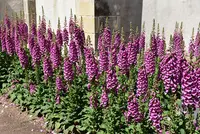
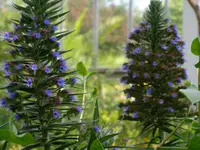
Pine echium (Echium pininana) is a fast-growing biennial or short-lived perennial, valued for its tall, dramatic flower spike and rosette of rough, lance-shaped leaves. In mild climates it can reach several meters, forming a narrow tower of densely packed blue flowers that attract bees and other pollinators.

This species is native to the Canary Islands but is now grown in coastal and mild regions in the UK, US West Coast, and similar climates. It prefers sunny, well-drained sites and does not tolerate heavy, waterlogged soils. Once its needs are understood, it is relatively straightforward to care for Pine echium in suitable outdoor conditions.

Main Plant Requirements

Care Difficulty

Moderate Care

Light Preference

Full Sun

Water Requirements

Low Water

Temperature Preference

Warm Climate

Hardiness Zone

9–11

Soil Texture

Sandy, Loamy, Rocky

Soil pH

Acidic (5.5–6.5), Slightly acidic (6.5–7.0)

Soil Drainage

Well-drained

Fertilization

Minimal (feed rarely)

Get Personalized Care Plan

Scan your plant to receive care tips personalized for your specific plant

Available on iOS and Android

How to Care for the Pine echium

This coastal biennial prefers strong light to fuel fast rosette growth and flowering.

  • Provide full sun for 6–8 hours daily; in hot inland areas, give Echium pininana light afternoon shade to reduce leaf scorch.
  • Site in an open, unshaded position; morning sun with some high, filtered light later in the day supports sturdy, upright growth.
  • In winter, maximize exposure by avoiding evergreen shade; plants in too much shade grow weak, lean, and produce fewer or smaller flower spikes.

This species prefers infrequent, deep watering in freely draining soil.

  • Outdoors in the ground, water only when the top 3–5 cm of soil feel dry and the lower soil is just slightly moist, especially in the first growing season.
  • Ensure gritty, fast-draining soil so water does not pool around the crown; Echium pininana is prone to rot in heavy, waterlogged ground.
  • In cool or wet seasons reduce or stop supplemental watering; underwatering shows as drooping, dull leaves, while overwatering leads to yellowing and soft, collapsing stems.

This plant grows best in mild, frost-sheltered climates with cool winters and moderate summers.

  • Optimal growth occurs around 55–75°F (13–24°C), with rosettes forming in cooler months and flower spikes rising as temperatures warm.
  • Mature plants tolerate brief drops to about 25°F (−4°C) if well drained and sheltered, but young rosettes are more vulnerable to frost damage.
  • Heat tolerance is moderate; in spells above 86°F (30°C), mulch the root zone and avoid reflected heat to limit stress and leaf scorch.

This coastal species handles a wide humidity range and rarely needs special humidity control.

  • Prefers 40–60% humidity but tolerates much drier air once established, especially outdoors in windy sites.
  • Low humidity stress shows mainly as browning leaf tips combined with drought, rather than from air dryness alone.
  • If grown in a very hot, enclosed patio, increase local humidity slightly by grouping plants and mulching the soil to slow surface drying.

Soil for Echium pininana must be very free-draining to prevent root rot and encourage deep rooting.

  • Use a lean, gritty mix such as 50–60% sandy or loamy garden soil blended with coarse sand or fine gravel for sharp drainage.
  • Aim for slightly acidic to neutral pH around 6.0–7.5, avoiding strongly acidic or alkaline soils that restrict nutrient availability.
  • In heavy or clay soils, raise the planting area and incorporate coarse grit or perlite to increase aeration and speed water runoff.
  • Avoid rich, water-retentive mixes high in peat or unamended compost, which promote lush, weak growth and increase rot risk in winter.

This species can be grown in containers for its early stages, but it becomes large and top-heavy.

  • Choose a deep, heavy pot (ceramic or concrete) that resists tipping when the tall flowering spike develops.
  • Fill the container with a very fast-draining, gritty mix so water runs through in seconds rather than pooling.
  • Position the pot in a sheltered, non-windy spot where the container cannot be blown over as the plant gains height.

Echium pininana is adapted to relatively poor soils, but light feeding improves vigor and flowering in garden settings.

  • Apply a balanced, low-to-moderate strength NPK fertilizer (for example 10-10-10) at half label rate in early spring.
  • Feed once every 4–6 weeks through the active growing season if soil is low in organic matter.
  • Use a thin layer of garden compost around the root zone instead of heavy synthetic feeding for Pine echium.
  • Stop fertilizing in late summer and do not feed in winter dormancy to avoid weak, frost-tender growth.

Pruning Echium pininana is mainly about safety, tidiness, and managing space rather than shaping a long-lived shrub.

  • Cut spent flowering spikes back to the base after seeds have matured if self-seeding is not desired.
  • Remove dead, damaged, or wind-broken stems at any time using clean, sharp bypass pruners.
  • In late winter or early spring, clear crowded or rotting rosettes to improve air flow around the crown.
  • Wear gloves and long sleeves, as coarse foliage can be abrasive, and discard prunings safely to avoid unwanted seedlings.

This species is usually grown in the ground, so management focuses on timely transplanting of young plants to their final position.

  • Shift seedlings or young Echium pininana plants when roots lightly fill the starter pot or circle the base but are not woody.
  • Transplant in spring or early autumn, choosing a sunny, well-drained site that allows space for the tall flower spike.
  • Water the plant well before and after moving, and handle the root ball gently to limit root stress and transplant shock.
  • Container-grown plants are short term; step up only 1 pot size when growth slows, and use a free-draining, gritty mix.

Echium pininana is most commonly raised from seed, which allows numerous plants at low cost.

  • Collect seed from mature, dry flower spikes and store cool and dry until sowing.
  • Sow in late winter to spring in trays of well-draining, gritty seed compost kept at 60–70°F with bright light.
  • Lightly cover seeds, keep the surface just moist, and provide good air circulation to reduce damping-off disease.
  • When seedlings have several true leaves, prick out into individual pots, harden off, then plant into their sunny final position.

Echium pininana is only marginally frost hardy, so cold, wet winters in much of the US require some level of protection.

  • Plants may be damaged below about 25°F; prolonged freezes often kill the rosette or stem.
  • In cooler regions, apply a 5–10 cm mulch of coarse bark or gravel around the crown to insulate roots while keeping drainage good.
  • Wrap the rosette and main stem with breathable horticultural fleece during hard frosts, avoiding plastic covers.
  • Move container plants to a bright, frost-free, well-ventilated space and water sparingly so the mix stays just barely moist.

Care Tips

Windproof staking

Install 2–3 sturdy stakes around the rosette before the main flower spike elongates, then loosely tie the stem with soft ties in 2–3 places to prevent wind snap as it can reach several meters tall.

Basal rosette protection

In colder regions, wrap a low ring of breathable horticultural fleece around the basal rosette in late autumn to shield the crown from freezing winds and wet, heavy soil while still allowing air flow.

Self‑seeding control

If you want to limit spread, cut and bag the spent flower spike before most seeds drop, leaving a small section to brown fully if you still want a modest amount of self-sown seedlings.

Seedling selection

When dense self-seeding occurs, thin seedlings to 30–45 cm spacing, keeping only the most vigorous plants with undamaged central growth points to improve structural strength and flowering quality.

Companion spacing

Avoid planting tall, competitive perennials or shrubs directly upwind of the spike so air can move freely around the plant, reducing wind turbulence and moisture retention that can favor fungal problems when growing Pine echium.

Common Pests and Diseases

Aphids

These insects cluster on young echium shoots and flower spikes, sucking sap and causing distortion, sticky honeydew, and sooty mold growth. This pest is most common during soft spring growth and can weaken plants in dry, sheltered sites.

Solution

Squash small colonies by hand or spray stems and undersides of leaves with a strong jet of water, repeating every few days until numbers drop. For heavier infestations, use an insecticidal soap or a ready-to-use fatty acid or horticultural oil spray, applied in the cool part of the day and kept off beneficial insects as much as possible.

Snails and slugs

These pests feed on young rosettes and seedlings, chewing holes in leaves and sometimes completely removing tender plants. Damage is most severe in cool, damp conditions and can prevent successful growing Pine echium from seed outdoors.

Solution

Hand-pick slugs and snails at dusk or after rain and use physical barriers such as copper tape, coarse grit, or wildlife-safe slug pellets around young plants. Raising seedlings in pots under cover until they are sturdy, then planting out with collars or barriers, greatly reduces losses.

Vine weevil

These insects cause two types of damage: adult beetles notch leaf edges, while larvae feed on roots and the crown, leading to wilting and sudden collapse, especially in container-grown plants. Symptoms include loose, unstable plants that fail despite normal watering.

Solution

Inspect pots for C-shaped white grubs in the compost and destroy any found, then repot into fresh, clean mix. In containers, apply a biological nematode control labeled for vine weevil larvae in warm months and reduce hiding places such as crowded pots near the base of the plant.

Leaf spot

This disease produces brown, tan, or purplish spots on leaves, sometimes with yellow halos and occasional premature leaf drop on lower foliage. Symptoms include more severe spotting in wet, crowded conditions with poor air movement.

Solution

Remove and discard affected leaves and any heavy leaf litter at the base, then improve spacing and airflow around the plant to help foliage dry quickly. If spotting continues in prolonged wet weather, a copper-based or other general garden fungicide labeled for leaf spots can be used according to label directions, avoiding application during high heat or full sun.

Crown rot

This disease starts at the base of the rosette where water sits around the crown, causing yellowing, collapse of outer leaves, and soft, brown tissue at soil level. Symptoms include rapid decline in poorly drained or heavy, wet soils, especially in winter.

Solution

Remove and discard plants with advanced soft rot, then improve drainage by planting future specimens on mounds or in raised beds with very free-draining soil. Avoid overhead watering, keep mulch and debris away from the crown, and in high-rainfall areas consider a gritty soil mix and slight slope so water runs away from the base.

Interesting Facts

Towering monocarpic rosette

This species spends 2–3 years as a low rosette of leaves, then sends up a single flowering spike that can reach 3–4 m tall, after which the individual plant dies. This life strategy is called monocarpic, meaning it flowers once and then completes its life cycle.

Massive nectar resource

Its dense spike can carry many hundreds of small blue flowers that open over several weeks, providing a prolonged nectar and pollen source. In mild coastal climates it is considered a major magnet for bees, hoverflies, and other pollinating insects.

Can naturalize locally

Although native to the Canary Islands, it can self-seed and form localized populations in mild areas of the UK, Ireland, and coastal regions with similar climates. In some places it is monitored to ensure it does not outcompete certain native coastal plants.

Botan icon

Did you know?

In its native range on La Palma and other Canary Islands, this species is adapted to thrive on volcanic slopes and disturbed rocky ground, where its deep root system helps anchor it in loose, nutrient-poor substrates while it exploits the bright, open conditions typical of young volcanic landscapes.

FAQs about Pine echium

Growth is rapid once established. From seed, this plant often forms a leafy rosette for 1–2 years, then sends up a tall flowering spike that can reach full height in a single growing season.

Grow Healthy Plants with Botan Care

Keep your plants happy and healthy with plant identification, disease detection, and easy care guidance.

Botan plant care app — identify plants on mobile

Explore More Plants