Divide Mature Clumps
Every 3–5 years, lift and divide congested clumps in late winter or early spring to refresh vigor, replanting only the healthiest outer sections and discarding woody, exhausted centers.

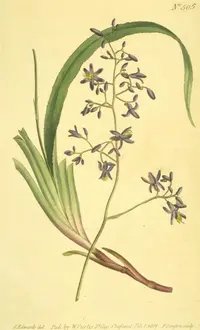
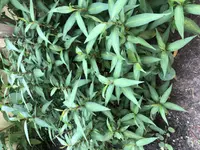
Cerulean flaxlily, Dianella caerulea, is an evergreen perennial grown for its strappy foliage and decorative blue to purple berries. It forms clumps of grass-like leaves and sends up small, starry flowers on slender stems.
This species is native to eastern Australia, often found in woodlands, coastal areas, and open forests. It adapts well to many garden styles, from naturalistic plantings to low-maintenance borders.
Plants are generally tough, with good tolerance of heat, light shade, and a range of soils, which makes it relatively easy to care for cerulean flaxlily. It prefers free-draining soil and consistent, moderate moisture rather than waterlogged or very dry conditions.

Care Difficulty
Easy Care

Light Preference
Partial Shade

Water Requirements
Moderate Water

Temperature Preference
Warm Climate

Hardiness Zone
8–11

Soil Texture
Sandy, Loamy, Organic-rich

Soil pH
Acidic (5.5–6.5), Slightly acidic (6.5–7.0)

Soil Drainage
Moist but well-drained

Fertilization
Minimal (feed rarely)
Scan your plant to receive care tips personalized for your specific plant
Available on iOS and Android
This grass-like perennial prefers bright conditions but copes well with varying light in many gardens.
This species prefers steady, moderate moisture rather than constant wetness or complete drying.
This hardy plant tolerates a wide temperature range but grows best in mild, temperate conditions.
This species handles a wide humidity range and rarely needs special humidity management indoors or outdoors.
Dianella caerulea prefers loose, well-drained mineral soil that still retains some moisture.
This species adapts well to container growing when the pot is sized and stabilized correctly.
This hardy Australian native needs modest feeding, but thoughtful fertilization supports denser clumps and better berry display in cerulean flaxlily.
Dianella caerulea needs only light, periodic pruning to stay tidy and productive.
This species is more often transplanted in the landscape than repotted, as it forms long-lived clumps with moderate root spread.
Dianella caerulea is most reliably propagated by division, with seed used mainly for larger-scale or breeding work.
This species is generally cold hardy in mild climates and often needs little specific winter care once well established.

Plant Health Check
Not sure what's wrong with your plant? Check your plant's health inside the app.
This species is naturally widespread along coastal regions of eastern Australia, where it grows in sandy soils, open forest, and heathland, tolerating salt-laden winds better than many other understorey plants.
The berries are a distinctive metallic blue to purple and contain several black seeds; they are mainly dispersed by birds that are attracted to the vivid color contrast against the foliage.
Dianella caerulea forms tough, fibrous rhizomes (underground stems) that store resources and allow the plant to resprout after stress events such as light fire or dry periods.

Some forms of Dianella caerulea show notable variation in leaf width, flower color intensity, and plant height across their native range, which has led to the selection of multiple regional cultivars for ornamental use in landscaping.
This species spreads slowly through short rhizomes, forming clumps rather than running widely. It can gradually enlarge over several years but is not considered aggressively spreading and is usually easy to keep within defined borders.
Keep your plants happy and healthy with plant identification, disease detection, and easy care guidance.