Begonia angularis Care

Begonia angularis

About Begonia angularis

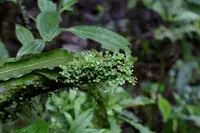
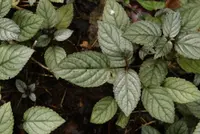
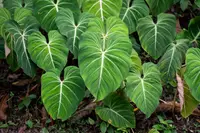
Begonia angularis is a rhizomatous begonia valued for its textured foliage and compact growth. It typically forms a low, leafy clump rather than tall, upright stems. Leaves are often asymmetrical, with a firm surface and distinct venation that gives the plant a sculpted look. Flowers are usually secondary; most growers focus on its foliage. This species comes from tropical forest habitats in Brazil, where it grows in shaded, humid conditions with well-drained, organic-rich substrates. Its moderate growth rate and need for stable warmth and moisture make it somewhat sensitive but manageable indoors. Once basic humidity and light needs are understood, it is straightforward to care for Begonia angularis.

Main Plant Requirements

Care Difficulty

Moderate Care

Light Preference

Bright Indirect Light

Water Requirements

Moderate Water

Temperature Preference

Tropical / Frost Sensitive

Hardiness Zone

11–12

Soil Texture

Loamy, Peaty, Organic-rich

Soil pH

Acidic (5.5–6.5)

Soil Drainage

Moist but well-drained

Fertilization

Light (every 4–6 weeks)

Get Personalized Care Plan

Scan your plant to receive care tips personalized for your specific plant

Available on iOS and Android

How to Care for the Begonia angularis

This species prefers bright, filtered light that mimics a forest understory.

  • Provide 4–6 hours of bright, indirect light daily, such as dappled shade under taller plants or behind a sheer curtain indoors for Begonia angularis.
  • Allow gentle morning sun in east exposure, but protect from harsh midday and afternoon sun that can scorch leaves and cause pale, crispy patches.
  • In winter, move plants slightly closer to bright windows or brighter canopy gaps, but avoid sudden shifts from low shade to strong light to prevent leaf burn.

Watering should keep the root zone evenly moist but never waterlogged.

  • Irrigate when the top 2–3 cm of soil feels dry, then water thoroughly so excess drains away, avoiding prolonged standing water around the roots.
  • Reduce watering in cooler, darker months, allowing the top 3–4 cm to dry, while in warm active growth the surface should only briefly dry between waterings.
  • Watch for yellowing, soft stems and sour smell as signs of overwatering, and for drooping, crisp leaf edges and very light pots as signs of underwatering in Begonia angularis.

Stable, mild temperatures support healthy growth and flowering.

  • Aim for 65–80°F (18–27°C) for active growth, with best performance near 70–75°F (21–24°C) and moderate humidity.
  • Protect from cold; growth slows below about 60°F (16°C), and damage occurs near 45–50°F (7–10°C), with frost killing exposed foliage and stems.
  • In hot periods above 85°F (29°C), increase shade and airflow, avoid hot reflective surfaces, and never place plants directly next to heaters or cold drafts.

This species benefits from consistently high humidity to maintain healthy foliage.

  • Aim for 60–70% humidity; below 40% increases leaf edge browning and curl.
  • It tolerates short dry-air periods if soil moisture is stable, but prolonged HVAC air flow causes stress.
  • Increase humidity with a nearby tray of wet pebbles or a room humidifier rather than misting leaves.

This species prefers a light, airy, organic-rich medium that drains quickly yet holds some moisture.

  • Use a mix of roughly 40% peat or coco coir, 40% fine bark, and 20% perlite for structure and drainage.
  • Target a slightly acidic pH around 6.0–6.5, which supports nutrient uptake and reduces leaf-tip burn risk.
  • Ensure the mix feels springy and open; add extra perlite or small bark if it compacts after watering.
  • Avoid heavy garden soil, pure compost, or mixes that stay wet for more than 3–4 days, which promote root rot in Begonia angularis.

This species is well suited to container growing for controlled moisture and airflow around the roots.

  • Choose a wide, shallow pot to match its fibrous, surface-leaning roots and prevent deep, stagnant wet zones.
  • Select a breathable material like unglazed terracotta if the growing area is humid, to offset moisture-retentive mixes.
  • Stabilize the container with a heavier base or cachepot to prevent tipping as foliage becomes dense and slightly top-heavy.

This species responds well to light, consistent feeding during active growth.

  • Use a balanced liquid fertilizer (for example 10-10-10 or 20-20-20) diluted to 1/4–1/2 strength for Begonia angularis.
  • Apply every 3–4 weeks in spring and summer when growth is active.
  • Pause or reduce to every 6–8 weeks at very weak strength in fall and winter.
  • Avoid fertilizing very dry soil; water first, then apply fertilizer to reduce root burn.

Thoughtful pruning keeps Begonia angularis compact, leafy, and healthy.

  • Best time is late winter to early spring, before strong new growth, and light touch-ups after flowering flushes.
  • Remove dead, yellowing, or damaged leaves and any weak, spindly stems.
  • Thin crowded shoots to improve airflow and light penetration into the canopy.
  • Use clean, sharp scissors or pruners and cut just above a node to encourage branching.

Container-grown plants benefit from periodic repotting to maintain root health.

  • Repot every 2–3 years, or when roots circle the pot, emerge from drainage holes, or growth slows noticeably.
  • Choose late winter to early spring, just before new growth, for minimal stress to Begonia angularis.
  • Move to a pot only 2–5 cm wider, using a loose, well-drained mix, and gently tease apart circling roots.
  • Water thoroughly after repotting, then keep in bright, indirect light and slightly drier for 3–5 days to help roots recover.

This species is commonly propagated from stem cuttings and sometimes by division.

  • Take 7–10 cm non-flowering stem cuttings in spring or early summer with at least 2–3 nodes.
  • Insert cuttings into moist, well-drained mix and keep at 70–75°F in bright, indirect light with high humidity.
  • Optionally dip cut ends in rooting hormone to increase success and reduce rot risk.
  • For older clumps, divide the root ball in spring, keeping several stems and healthy roots per division.

This tropical species is frost sensitive and needs protection in regions with cold winters.

  • In areas below 50°F, grow Begonia angularis in containers so plants can be moved indoors before first frost.
  • Provide bright, indirect light indoors and maintain temperatures around 60–70°F through winter.
  • Reduce watering slightly, keeping the mix just barely moist, and stop or greatly reduce feeding.
  • Outdoors in mild climates, apply a light mulch around the root zone, without burying the stems.

Care Tips

Leaf wetness control

Water at the soil line and gently shake or blow excess moisture off leaves after misting or showers, since prolonged leaf wetness on this thin-leaved species encourages bacterial leaf spot and Botrytis (grey mold).

Rot-resistant potting

Use a wide, shallow pot with several drainage holes and a 1–2 cm layer of coarse material such as pumice or large perlite at the base to reduce the risk of rhizome rot in this creeping begonia.

Targeted rhizome division

Divide the thick rhizomes only when they show several healthy growth points and at least 3–4 leaves per section, then dust cuts with powdered sulfur or cinnamon to lower fungal infection risk before replanting.

Progressive light acclimation

When moving the plant to a brighter position, increase light by small steps over 10–14 days and monitor the oldest leaves for silvering or edge scorch, then back off one step if these symptoms appear.

Preventive pest scouting

Inspect the undersides of leaves and where petioles meet the rhizome every week with a hand lens, and isolate the plant and treat early with insecticidal soap if any mealybugs, thrips, or spider mites are detected, which is key for successful Begonia angularis plant care in indoor collections.

Common Pests and Diseases

Powdery mildew

This disease causes a white, powdery film on upper leaf surfaces, especially on older foliage and in still, humid air. Symptoms include distorted new growth and gradual leaf yellowing or browning.

Solution

Improve air movement around the plant, avoid wetting the leaves, and remove heavily affected foliage. Treat remaining leaves with a sulfur-based fungicide or potassium bicarbonate spray labeled for ornamentals, repeating as directed until new growth appears clean.

Botrytis blight

This disease produces soft, water-soaked spots on leaves, flowers, and petioles that develop into gray, fuzzy mold, particularly in cool, damp, low-light conditions. Symptoms include rapid collapse of affected tissues and leaf drop.

Solution

Increase airflow, keep foliage dry, and promptly remove and discard all infected leaves and debris. If conditions stay humid, apply a botrytis-active fungicide labeled for ornamentals and avoid overcrowding when planning Begonia angularis care instructions in indoor setups.

Bacterial leaf spot

This disease causes translucent, water-soaked spots that turn brown or black and may be surrounded by a yellow halo, often starting on lower, denser foliage. Symptoms include irregular lesions that can merge, leading to large dead patches and leaf drop.

Solution

Immediately discard badly affected leaves and avoid overhead watering or splashing between plants. Keep tools and pots clean, isolate the plant from others, and in severe or recurring cases replace the plant and potting mix, since chemical control for bacterial problems is limited indoors.

Mealybugs

These insects appear as white, cottony tufts in leaf axils, along stems, and sometimes on roots, feeding on sap and causing leaf yellowing and stunted growth. This pest also excretes sticky honeydew that can lead to sooty mold on leaves and nearby surfaces.

Solution

Physically remove visible insects with a cotton swab dipped in 70% isopropyl alcohol, then wash the plant gently with lukewarm water. Follow up with repeated applications of insecticidal soap or a neem oil product, making sure to treat leaf undersides and tight crevices every 7–10 days until no new mealybugs appear.

Spider mites

These pests are tiny, often reddish or pale mites that feed on leaf undersides, causing fine stippling, dulling of the leaf surface, and eventual bronzing. Symptoms include very fine webbing between petioles and leaves, especially in warm, dry indoor air.

Solution

Rinse foliage thoroughly under a gentle stream of water, focusing on the undersides of leaves, then apply insecticidal soap or a horticultural oil labeled for mites. Maintain higher relative humidity, regularly inspect new growth with a hand lens, and repeat treatments every 5–7 days until no webbing or new damage appears.

Interesting Facts

Atlantic forest native

Begonia angularis is naturally distributed in the Atlantic forest regions of southeastern Brazil, growing in humid, shaded sites on forest floors and rocky slopes.

Angular leaf architecture

The species name angularis refers to its distinctly angled, often asymmetrical leaves, which show a clear difference between the larger basal side and the smaller opposite side of the leaf blade.

Textured leaf surface

Its leaves often have a slightly blistered or bullate surface, an adaptation that can help manage light and water on the leaf by creating small variations in surface exposure and drainage.

FAQs about Begonia angularis

Brown leaf edges usually come from low humidity, underwatering, or salt buildup from fertilizer. Check soil moisture, flush the pot occasionally with clean water, and keep the plant away from hot drafts or direct heater airflow.

Grow Healthy Plants with Botan Care

Keep your plants happy and healthy with plant identification, disease detection, and easy care guidance.

Botan plant care app — identify plants on mobile

Explore More Plants