Foxglove Care (Digitalis purpurea Camelot Lavender)

About Foxglove

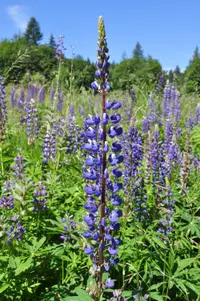
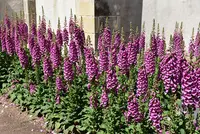
Digitalis purpurea Camelot Lavender is a short-lived perennial often grown as a biennial, valued for its tall flower spikes and soft lavender-pink tubular blooms. The plant forms a low rosette of textured green leaves, then sends up upright flowering stems that stand out in mixed borders and cottage-style gardens.

In nature, foxglove is native to parts of western Europe, thriving in open woodland edges, clearings, and banks with good drainage. It is considered moderately easy to grow if its need for light, moist but not waterlogged soil, and cool-to-mild conditions is respected.

Gardeners who learn how to care for Foxglove usually find this series reliable for strong vertical color and a relatively long blooming season compared to many traditional strains.

Main Plant Requirements

Care Difficulty

Moderate Care

Light Preference

Partial Sun

Water Requirements

Moderate Water

Temperature Preference

Cool Climate

Hardiness Zone

4–9

Soil Texture

Loamy, Sandy, Organic-rich

Soil pH

Acidic (5.5–6.5), Slightly acidic (6.5–7.0)

Soil Drainage

Moist but well-drained

Fertilization

Light (every 4–6 weeks)

Get Personalized Care Plan

Scan your plant to receive care tips personalized for your specific plant

Available on iOS and Android

How to Care for the Foxglove

Digitalis purpurea Camelot Lavender grows best in bright, cool conditions with some protection from intense midday sun.

  • Provide 4–6 hours of direct morning sun with light or dappled shade from early afternoon, especially in warmer climates.
  • Tolerates partial shade (as little as 2–3 hours of direct light), but flowering Foxglove spikes may be shorter or fewer in deep shade.
  • In hot summers, use filtered light or afternoon shade to prevent leaf scorch, wilting, and prematurely faded blooms, especially in exposed south- or west-facing beds.

This plant prefers evenly moist, well-drained soil and does poorly in waterlogged conditions.

  • Water when the top 2–3 cm of soil feels dry, soaking the root zone deeply, then allow excess water to drain away fully.
  • In spring and early summer, monitor Digitalis purpurea Camelot Lavender more often, as active growth and rising temperatures increase water use.
  • Reduce watering in cool or rainy weather; yellowing lower leaves, soft stems, or a sour soil smell suggest overwatering, while drooping leaves in dry soil signal underwatering.

This plant prefers cool to mild conditions and tolerates some cold once established.

  • Optimal growth occurs around 55–70°F (13–21°C), with flowering performing best in consistently cool, moist climates.
  • Mature plants tolerate brief drops to about 20–25°F (-6 to -4°C), but young rosettes benefit from mulch protection in hard frosts.
  • Heat above 85°F (29°C) can stress plants; provide afternoon shade and consistent soil moisture during hot spells to reduce scorch and premature decline.

This plant handles a wide humidity range and rarely needs special humidity management outdoors.

  • Target 40–60% humidity, which is typical for most outdoor conditions in temperate regions.
  • Dry air is usually tolerated, but prolonged hot, windy weather can cause leaf edge browning and quicker wilting in Foxglove.
  • In very dry, exposed sites, shelter plants with nearby shrubs or windbreaks and use mulch to reduce moisture loss around the root zone.

This plant prefers moist, well-drained, structured soil that stays aerated yet does not waterlog.

  • Use a loamy or sandy-loam soil enriched with 20–30% compost to provide nutrients and retain moderate moisture.
  • Aim for slightly acidic to neutral pH around 6.0–7.0, which supports nutrient availability for Digitalis purpurea Camelot Lavender.
  • Improve drainage and aeration by blending in coarse sand or perlite at 10–20%, especially in heavy or compacted ground.
  • Avoid dense clay, poorly drained spots, or areas where water stands after rain, as persistent saturation encourages root and crown rot.

This species is suitable for short-term ornamental display in containers, especially on patios or balconies.

  • Choose a pot at least 30–35 cm deep to accommodate the taproot and prevent the plant from becoming unstable as flower spikes elongate.
  • Use a heavy, stable container material such as ceramic or clay to reduce tipping risk from tall, top-heavy flower stems.
  • Ensure drainage holes release water quickly and slightly elevate the pot on feet or blocks so runoff cannot reabsorb into the root zone.

Digitalis purpurea Camelot Lavender benefits from modest, well-timed feeding to support flowering without producing overly lush, weak growth.

  • Use a balanced, slow-release fertilizer (around 10-10-10) or a thin layer of compost mixed into the topsoil in early spring.
  • Feed container-grown Foxglove every 4–6 weeks in the growing season with a balanced liquid fertilizer diluted to 1/2 strength.
  • Avoid high-nitrogen products, which encourage foliage at the expense of flower spikes, especially in rich garden soil.
  • Stop feeding in late summer and do not fertilize during winter dormancy to prevent soft, frost-sensitive growth.

Pruning Digitalis purpurea Camelot Lavender is mainly about deadheading and cleanup to extend bloom and keep plants tidy.

  • In mid to late summer, cut spent flower spikes down to a low, healthy leaf rosette to encourage side shoots and possible repeat bloom.
  • Remove any dead, damaged, or diseased leaves at the base with clean, sharp hand pruners to maintain airflow and reduce fungal problems.
  • Thin out crowded rosettes by taking out the weakest plants, which improves light penetration and overall vigor in the planting area.
  • At season’s end, either leave sturdy seed spikes for self-sowing or cut them at the base if volunteer seedlings are not desired.

This cultivar is usually treated as a short-lived garden perennial or biennial, so focus on careful transplanting rather than frequent repotting.

  • Transplant young plants in early spring or early fall, when temperatures are mild and soil remains evenly moist.
  • Move plants when roots lightly fill the pot or start circling, or when growth stalls despite good light and moisture.
  • Shift to a slightly larger container or garden spot with well-drained, fertile soil, keeping the crown at the same level as before.
  • Water thoroughly after transplanting, shade from strong sun for 2–3 days, and avoid disturbing the root ball more than necessary to reduce stress.

New plants are most reliably raised from seed, as this maintains a steady supply of flowering Digitalis purpurea Camelot Lavender in the garden.

  • Sow fresh seed indoors in late winter or under cover in early spring, using a fine, sterile seed-starting mix.
  • Press seeds onto the surface without covering, since light aids germination, and keep at 65–70°F with consistent, gentle moisture.
  • Provide bright, indirect light and good air movement to limit damping-off, a fungal disease that kills young seedlings at soil level.
  • Transplant sturdy seedlings outdoors after frost, hardening them off for 7–10 days to adjust to outdoor light and temperature.

This cultivar is moderately cold hardy but benefits from simple winter preparation, especially in colder or exposed sites.

  • In regions colder than about USDA zone 5, apply a 5–8 cm mulch of leaf mold or bark around, but not over, the crown.
  • Allow basal foliage to remain as a natural insulation layer, trimming only dead or slimy leaves in late winter.
  • Move container-grown plants into a sheltered, unheated spot such as a cold frame or attached garage to avoid root freezing.

Care Tips

Pinch first spikes

Pinch off the very first flower spike when it is 10–15 cm tall to encourage stronger basal growth and multiple sturdy flowering stems later in the season.

Stake before blooming

Install slim stakes and soft ties when stems reach about 20–30 cm so the tall flower spikes stay upright in wind and rain rather than snapping at the base.

Deadhead in stages

Cut spent flower spikes back to just above a strong leaf rosette, but leave a few of the last blooms if seed collection or gentle self-sowing is desired for continuity when growing Foxglove.

Rotate planting zones

Shift planting positions every 2–3 years within the bed to reduce soil-borne disease buildup and maintain vigorous Digitalis purpurea Camelot Lavender plant care performance.

Mulch collar management

Apply a thin, 2–3 cm mulch layer around but not touching the crown to keep roots cool and moist while preventing crown rot by allowing the rosette center to stay dry and well aerated.

Common Pests and Diseases

Aphids

These insects cluster on young stems and flower spikes, sucking sap and causing distorted growth and sticky honeydew on foliage and blooms.

Solution

Prune off heavily infested flower spikes, then wash remaining stems and leaves with a strong but gentle stream of water. If needed, apply insecticidal soap or a ready-to-use neem oil spray in the early morning, repeating weekly until populations drop, and encourage natural predators such as lady beetles by avoiding broad-spectrum insecticides near the planting area.

Slugs and snails

These pests feed on tender basal leaves and young rosettes, leaving irregular holes and slime trails, especially in cool, damp conditions.

Solution

Hand-pick slugs and snails in the evening or early morning and remove nearby hiding places such as dense mulch or boards. Use iron phosphate bait around, not on, the plants and maintain slightly drier soil surface conditions when possible while still meeting the plant’s moisture needs.

Powdery mildew

This disease causes white, powdery patches on upper leaf surfaces, leading to yellowing and reduced vigor, often in crowded or shaded plantings with poor air circulation.

Solution

Remove and discard affected leaves to reduce spore levels, then thin surrounding plants or flower spikes to improve airflow and reduce leaf humidity. Water at soil level, avoid overhead watering late in the day, and use a labeled fungicidal spray such as sulfur or potassium bicarbonate at first signs if cultural changes are not sufficient.

Leaf spot

This disease produces brown or purplish spots with possible yellow halos on foliage, which can coalesce and cause premature leaf drop in wet or overcrowded stands.

Solution

Promptly remove and discard spotted leaves and any dense ground-level debris to lower moisture and inoculum levels. Water at the base early in the day, avoid wetting foliage, increase spacing between plants, and if needed use a labeled ornamental foliar fungicide during extended wet periods, following all product directions as part of broader Foxglove care instructions.

Crown rot

This disease affects the crown at soil level, where symptoms include wilting, yellowing, and collapse of the central growing point in plants kept too wet or planted in poorly drained soil.

Solution

Uproot and discard severely affected plants, including as much surrounding infected soil as possible, and do not replant foxglove in the same saturated spot. Improve drainage with raised beds or amended soil, avoid overwatering, and keep mulch pulled back 5–8 cm from the crown to allow better airflow and quicker surface drying.

Interesting Facts

F1 hybrid uniformity

Camelot Lavender is an F1 hybrid strain selected from Digitalis purpurea for highly uniform height, flower size, and bloom timing, which makes its flowering performance much more predictable than seed-grown mixed foxgloves.

First-year flowering habit

Unlike many traditional foxglove strains that behave strictly as biennials, Camelot Lavender reliably flowers in its first year from seed under long-day and warm conditions, a trait specifically bred for commercial bedding and container production.

Upward-facing flower display

Camelot Lavender produces densely packed, slightly outward- and upward-facing tubular flowers along the spike, a trait that enhances visibility of the spotted throats and makes the inflorescences especially effective for pollinator observation and ornamental display.

Botan icon

Did you know?

The Camelot series, including Camelot Lavender, was developed for controlled-environment and landscape use, so its genetic background was selected to tolerate a relatively wide range of light intensities and temperatures compared with many older Digitalis purpurea garden strains, which makes Digitalis purpurea Camelot Lavender care more adaptable across different growing regions.

FAQs about Foxglove

The tall flower spikes offer tubular blooms rich in nectar, which strongly attract bumblebees and other long-tongued bees. In suitable regions, hummingbirds may also visit. Planting several together creates a reliable pollinator resource across the flowering period.

Grow Healthy Plants with Botan Care

Keep your plants happy and healthy with plant identification, disease detection, and easy care guidance.

Botan plant care app — identify plants on mobile

Explore More Plants