Hoary stock Care (Matthiola incana)

Also known as: hoary stock, Stock
Hoary stock

About Hoary stock

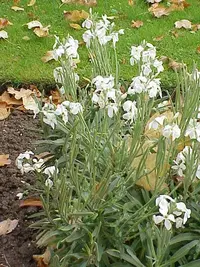
Hoary stock, Matthiola incana, is a cool-season flowering plant grown mainly for its dense, fragrant flower spikes. It is usually treated as an annual or short-lived perennial in gardens. Plants form upright, branched stems with narrow gray-green leaves and blooms in shades of white, pink, purple, or yellow. Hoary stock originates from coastal regions of southern Europe and the Mediterranean, where it grows in sunny, well-drained sites. It is considered moderately easy to grow if given cool conditions and protection from extreme heat and humidity. Gardeners who care for Hoary stock often value its strong scent and suitability for borders and cut flowers.

Main Plant Requirements

Care Difficulty

Moderate Care

Light Preference

Full Sun

Water Requirements

Moderate Water

Temperature Preference

Cool Climate

Hardiness Zone

7–10

Soil Texture

Sandy, Loamy, Organic-rich

Soil pH

Acidic (5.5–6.5), Slightly acidic (6.5–7.0)

Soil Drainage

Well-drained

Fertilization

Light (every 4–6 weeks)

Get Personalized Care Plan

Scan your plant to receive care tips personalized for your specific plant

Available on iOS and Android

How to Care for the Hoary stock

Matthiola incana needs bright conditions with gentle sun to flower well without scorching.

  • Provide 4–6 hours of direct morning sun, then light afternoon shade, especially in hot-summer regions.
  • Accepts light or partial shade (2–4 hours direct sun), but flowering of Hoary stock becomes sparser and stems stretch if light is too low.
  • In late spring and summer, protect from harsh afternoon sun to prevent leaf scorch; in cooler seasons, choose the sunniest site to extend blooming.

Matthiola incana prefers evenly moist but not waterlogged soil for steady growth and flowering.

  • Water when the top 2–4 cm of soil feels dry, soaking thoroughly so moisture reaches the root zone, then let excess drain away.
  • Use well-drained soil or beds; standing water, sour smell, yellowing lower leaves, or limp, soft stems indicate overwatering and possible root rot.
  • In cool seasons, watering frequency drops; in hot, dry weather, monitor daily for drooping foliage and dry surface soil as signs to water.

This cool-season plant thrives in mild temperatures and declines in prolonged heat or severe frost.

  • Best growth and flowering occur around 50–70°F (10–21°C), with cooler nights improving color and flower longevity.
  • Plants tolerate light frost down to about 25–28°F (-4 to -2°C), but hard freezes below this can kill flower spikes and damage foliage.
  • Above 80–85°F (27–29°C), flowering slows and plants may become leggy; in hot summers, provide afternoon shade and mulch to keep roots cooler.

This species grows best in relatively dry, airy conditions and usually does not need special humidity control.

  • Aim for 30–50% humidity, similar to most heated or air‑conditioned homes.
  • Hoary stock tolerates dry air well, but persistent humidity above 60% encourages fungal spots on leaves and flowers.
  • Improve air movement around dense plantings with a small fan rather than increasing humidity, especially in cool conditions.

This species prefers loose, well‑drained, moderately fertile soil that never stays waterlogged.

  • Use a mix of 50–60% loamy garden soil or all‑purpose potting mix, 20–30% coarse sand, and 10–20% compost for structure and nutrients.
  • Ensure rapid drainage, as waterlogged roots quickly develop rot; raised beds or mounded rows help excess water run off.
  • Aim for slightly alkaline to neutral pH around 7.0–7.5, adding a small amount of garden lime if soil is distinctly acidic.
  • Improve aeration by incorporating coarse sand or fine grit, and avoid heavy clay or peat‑heavy mixes that compact and hold too much water.

This species is suitable for short‑term container growing, especially for cool‑season displays on patios or balconies.

  • Choose a pot at least 20–25 cm deep to allow the taproot to develop without curling tightly at the base.
  • Select a heavier terracotta or ceramic container to keep tall, flower‑laden stems stable in wind.
  • Fill containers with a sharply draining mix and keep the soil level 2–3 cm below the rim so overhead watering does not overflow.

Matthiola incana benefits from modest, well-timed feeding to support flowering without causing soft, weak growth in Hoary stock.

  • Use a balanced, water-soluble fertilizer (e.g., 10-10-10) at 1/2 strength every 3–4 weeks during active spring–summer growth.
  • Alternatively, apply a thin layer of compost or a low-dose slow-release fertilizer at planting for steady nutrition.
  • Always water before and after liquid feeding to avoid root burn and maintain even moisture.
  • Stop or greatly reduce fertilization in fall and winter when growth slows or plants fade.

Matthiola incana responds well to light, timely pruning that maintains bloom quality and plant shape.

  • In early to mid-spring, remove winter-killed, diseased, or damaged stems with clean, sharp scissors or hand pruners.
  • Deadhead spent flower spikes down to a healthy leaf joint to encourage additional side shoots and extended blooming.
  • Thin crowded stems slightly to improve airflow, which reduces foliar disease and keeps plants more compact.
  • At season’s end, cut back declining plants close to the base if treating them as annuals, or remove entirely.

Matthiola incana is more often transplanted as garden bedding than long-term potted stock, so focus on gentle handling of its roots.

  • Transplant in early spring when seedlings have 2–3 true leaves, choosing cool, overcast conditions to limit stress.
  • Move plants when roots lightly fill plugs or small pots; avoid letting roots circle densely around the container wall.
  • Plant at the same depth into well-drained soil, firm gently, and water thoroughly to settle soil around the root zone.
  • Provide light shade and consistent moisture for 3–5 days after transplanting to support recovery and renewed growth.

Matthiola incana is most commonly propagated from seed, which allows reliable renewal of flowering displays each season.

  • Sow seeds indoors 6–8 weeks before the last frost, using a sterile, fine-textured seed-starting mix.
  • Maintain 60–68°F and bright indirect light; keep the medium just moist until germination in 7–14 days.
  • Lightly cover or surface-sow seeds, since they need both contact with the mix and good air circulation.
  • Transplant sturdy seedlings after hardening off, spacing to allow airflow and reduce fungal disease risk.

Matthiola incana is often grown as a cool-season annual, but in mild climates it can overwinter as a short-lived perennial with simple care.

  • In regions with frost, apply a 5–8 cm mulch around the base to insulate roots while keeping mulch off stems.
  • Where winters drop well below freezing, treat plants as annuals or replant from seed each year.
  • For containers, move pots to a sheltered, unheated but frost-free spot and keep soil just barely moist.

Care Tips

Pinch For Bushiness

When seedlings have 3–4 true leaves, lightly pinch out the main tip to encourage branching and a fuller flowering display rather than one tall, thin stem.

Cool-Night Extension

To extend the flowering period, choose the coolest microclimate available and, if possible, move container plants to a spot with 45–55°F nights, which slows bolting and keeps blooms coming longer.

Staking Tall Spikes

Install thin stakes or mesh supports when stems reach 15–20 cm, tying loosely with soft ties, so flower spikes stay upright and do not snap in wind or heavy rain.

Rotate Successive Sows

For continuous color, sow small batches every 2–3 weeks in late winter to early spring, rotating planting spots to reduce soil-borne disease buildup while growing Hoary stock.

Deadhead To Set Seed

If seed saving is desired, stop deadheading a few healthy plants late in the season and allow selected flower spikes to mature into dry pods that can be collected and stored in a cool, dry place.

Common Pests and Diseases

Downy mildew

This disease causes yellow or pale patches on upper leaf surfaces with gray to white downy growth on the undersides, especially in cool, humid weather. Symptoms include leaf distortion and premature leaf drop, which weaken stock plants and reduce flowering.

Solution

Remove and discard affected leaves promptly and avoid overhead watering to keep foliage dry. Improve spacing and airflow, water early in the day, and use a copper-based or phosphonate fungicide labeled for downy mildew on ornamentals if conditions stay cool and damp.

Botrytis blight

This disease produces soft, brown, water-soaked spots on flowers, buds, and stems that develop a fuzzy gray mold in humid, cool conditions. Symptoms include bud blast, flower drop, and collapse of tender growth.

Solution

Cut off and dispose of all infected flowers and stems, keeping plant debris away from the bed. Increase ventilation, avoid wetting flowers, and consider a registered fungicide for gray mold if the problem recurs, especially in dense plantings or greenhouse situations where Hoary stock indoor care is practiced.

Cabbage aphids

These insects are gray-green, waxy, and cluster on young shoots, buds, and undersides of leaves, causing curling, yellowing, and sticky honeydew that can attract sooty mold. This pest reproduces quickly in cool to mild weather and can distort flower spikes.

Solution

Spray plants with a firm stream of water to dislodge colonies, then treat remaining aphids with insecticidal soap or a horticultural oil, ensuring thorough coverage of leaf undersides and flower shoots. Remove heavily infested shoots if needed and discourage nearby brassica weeds that can host aphids.

Cabbage white caterpillars

These insects are green caterpillars that chew irregular holes in leaves and flower buds, often leaving dark droppings on foliage. Severe feeding can strip leaves and damage developing flower spikes.

Solution

Hand-pick caterpillars and egg clusters from leaves and buds, especially in small plantings. Use Bacillus thuringiensis (Bt) products targeted at caterpillars, applied in the evening and reapplied as directed, and use fine mesh netting to exclude adult white butterflies from laying eggs.

White rust

This disease causes pale yellow spots on upper leaf surfaces and raised white pustules on undersides, mainly in cool, moist weather. Severe infections lead to distorted foliage and reduced vigor.

Solution

Promptly remove and discard infected leaves and avoid overhead irrigation to reduce leaf wetness. Improve air circulation, rotate away from brassica crops in the same soil, and if outbreaks are recurring, use a fungicide labeled for rust diseases on ornamental brassicas according to label directions.

Interesting Facts

Clove-like fragrance

The flowers release a strong spicy-sweet scent similar to cloves, especially in the evening, due to volatile compounds such as eugenol and related phenylpropanoids produced in the petals.

Mediterranean coastal native

This species is naturally distributed along rocky coasts of the Mediterranean region and nearby Atlantic shores, where it grows in calcareous, well-drained, often salty substrates exposed to sea winds.

Single vs. double flowers

Cultivated forms range from single to fully double flowers; double-flowered stocks are usually sterile because the extra petals develop at the expense of reproductive organs, so they rarely set seed.

Botan icon

Did you know?

In Victorian floriography, hoary stock was widely used in bouquets and was assigned the meaning of lasting beauty and happy life, which helped drive its spread across European gardens as a symbolic ornamental species.

FAQs about Hoary stock

Lack of flowers usually comes from too-warm conditions, excess nitrogen fertilizer, or insufficient light. Cool nights, balanced fertilizer, and avoiding strong summer heat help trigger buds. Deadhead spent blooms to encourage more flowering during the season.

Grow Healthy Plants with Botan Care

Keep your plants happy and healthy with plant identification, disease detection, and easy care guidance.


Botan plant care app — identify plants on mobile

Explore More Plants