nodding sophronitis Care (Cattleya cernua)

nodding sophronitis

About nodding sophronitis

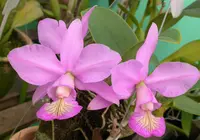
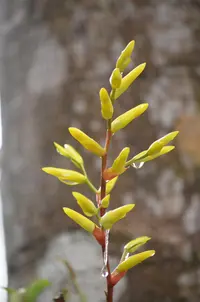
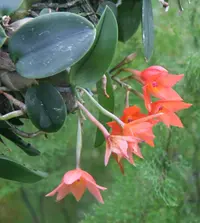
Cattleya cernua is a miniature epiphytic orchid that often grows on tree branches or rocky surfaces. It forms small clumps with slender pseudobulbs and narrow leaves. The plant produces relatively large, bright orange to red flowers compared to its compact size, usually in clusters near the tops of the stems. In nature, it occurs in parts of Brazil and neighboring regions, where it experiences good air movement and moderate humidity. It is considered moderately challenging for beginners because it dislikes stale, soggy conditions and needs stable warmth and light. Understanding how to care for Cattleya cernua starts with providing bright, filtered light and a fast-draining orchid medium that dries slightly between waterings.

Main Plant Requirements

Care Difficulty

Hard Care

Light Preference

Partial Sun

Water Requirements

Moderate Water

Temperature Preference

Tropical / Frost Sensitive

Hardiness Zone

11–13

Soil Texture

Rocky, Peaty, Organic-rich

Soil pH

Acidic (5.5–6.5)

Soil Drainage

Well-drained

Fertilization

Moderate (every 2–4 weeks)

Get Personalized Care Plan

Scan your plant to receive care tips personalized for your specific plant

Available on iOS and Android

How to Care for the nodding sophronitis

This compact orchid prefers bright, indirect light similar to lightly shaded tree branches in its native habitat.

  • Provide 4–6 hours of bright, filtered light daily, such as dappled morning sun and light shade by midday to prevent leaf scorch.
  • Allow brief early-morning or late-afternoon direct sun, but protect from strong midday sun, which causes yellow, leathery patches on leaves.
  • In winter, increase light exposure by moving slightly closer to an east or south-facing window or reducing shading to support flowering in Cattleya cernua.

This species prefers frequent moisture around the roots but must dry slightly between waterings to avoid rot.

  • Water when the top 2–3 cm of medium feel dry and roots shift from green to silvery, rather than on a rigid schedule.
  • Ensure very sharp drainage using a coarse orchid mix so water runs through in seconds and no water stands around roots or in saucers.
  • In warmer months, expect to water more often and mist lightly; in cooler seasons reduce frequency, watching for shriveled pseudobulbs as a sign of underwatering.

This orchid thrives in intermediate to warm conditions with a slight day–night temperature drop.

  • Aim for daytime temperatures of 70–80°F (21–27°C) and night temperatures of 60–65°F (16–18°C) for steady growth and flowering.
  • Avoid letting temperatures fall below 50°F (10°C); brief dips to 48°F (9°C) may be tolerated, but repeated cold stress weakens plants and slows roots.
  • Protect from hot, stagnant conditions above 90°F (32°C) by increasing air movement and humidity, while providing shade to prevent leaf overheating and stress.

This miniature epiphytic orchid needs moderately high, stable humidity to thrive indoors.

  • Aim for 60–80% humidity, as Cattleya cernua naturally grows in moist, airy environments.
  • It tolerates short periods around 40–50%, but prolonged dry air causes shriveling pseudobulbs and wrinkled leaves.
  • Increase humidity with a room humidifier, grouped plants, or a pebble tray, while keeping air movement gentle to prevent fungal problems.

This orchid does not grow in typical soil and instead needs a very loose, fast-draining, airy medium.

  • Use a fine to medium orchid bark mix, often combined with sphagnum moss, perlite, and a little charcoal for structure and aeration.
  • The medium should drain in seconds yet stay slightly moist around the roots, avoiding waterlogged or compact conditions at all times.
  • A slightly acidic reaction around pH 5.5–6.5 suits the roots, similar to many epiphytic orchids on tree bark.
  • Avoid dense, peat-heavy or garden soils that smother roots; choose large, irregular particles that create air gaps and prevent root rot.

This species is well suited to container growing, especially in small orchid pots or baskets.

  • Choose a shallow, snug container that just fits the root mass so the medium dries evenly and does not stay wet in the center.
  • Use slotted plastic or mesh-style pots to increase side ventilation and allow rapid escape of excess water after watering.
  • Secure the plant firmly in the container so new growths do not wobble, which helps roots attach to the medium and reduces mechanical stress.

Light, consistent feeding supports compact growth and flowering in Cattleya cernua.

  • Use a balanced orchid fertilizer (around 20-20-20) diluted to 1/4–1/2 strength in low-mineral water.
  • Feed every 1–2 weeks during active growth in spring and summer, applying to already-moist media.
  • Reduce to monthly or stop feeding in late fall and winter when growth slows.
  • Avoid compost or heavy slow-release granules that can burn roots in airy orchid mixes.

Pruning needs are minimal and focus on hygiene rather than reshaping Cattleya cernua.

  • After flowering, cut spent flower spikes close to their base with sterile scissors or pruners.
  • Remove dead, shriveled, or blackened pseudobulbs and leaves to limit disease spread.
  • Trim only fully dry roots; leave firm, white or green roots intact to support growth.
  • Light cleanup pruning improves air movement around the plant and maintains a compact clump.

Repotting maintains healthy roots and stable growth for this compact orchid.

  • Repot every 2–3 years, or when roots circle the pot, media breaks down, or growth slows.
  • Choose late winter to early spring, just before new root tips appear, to reduce stress.
  • Gently remove old mix, keep healthy roots, and place the plant in a small pot with fresh, fine orchid bark.
  • Water lightly for 1–2 weeks after repotting and keep humidity moderate to allow roots to re-establish.

Division is the standard way to increase plants while maintaining traits in Cattleya cernua.

  • Divide mature clumps in late winter or early spring when new growths and roots start.
  • Lift the plant, then separate into sections with at least 3–4 healthy pseudobulbs and active eyes.
  • Use a sterile knife or shears, dust cut surfaces with fungicide or cinnamon, and pot divisions in airy mix.
  • Maintain bright, indirect light, 70–80°F warmth, and steady moisture to encourage strong new roots.

Cool-season care focuses on frost avoidance and slightly drier conditions.

  • This orchid is frost-sensitive; keep temperatures above 55°F, ideally 60–75°F in winter.
  • For container plants outdoors, move indoors to a bright windowsill or heated greenhouse before cold nights.
  • Provide strong indirect light, good air movement, and lower watering frequency, avoiding a bone-dry medium.
  • Do not mulch heavily around pots; excess moisture and low temperatures together increase rot risk.

Care Tips

Use open mounts

Mount plants on cork bark or tree fern with a thin pad of sphagnum so roots dry quickly between waterings and receive maximum air movement, which closely mimics their natural habit.

Cool-night trigger

Provide a 10–15°F drop at night for several weeks at the end of summer to encourage reliable bud initiation and more synchronized flowering.

Light-based positioning

Place plants higher in the growing area and nearest to the light source, since this compact species tolerates and benefits from slightly higher light than many other mini cattleyas for strong, compact growth.

Targeted calcium support

Use a balanced orchid fertilizer most of the year, but once a month substitute with a calcium- and magnesium-supplemented feed to support firm new growth and reduce bud blast when caring for Cattleya cernua.

Compact clump management

When the clump becomes crowded, divide only during active root growth and keep divisions small, with 3–5 healthy pseudobulbs, to maintain faster recovery and better flowering than from very large or very small divisions.

Common Pests and Diseases

Scale insects

This pest is common on compact Cattleya and rupicolous species, feeding on sap along pseudobulbs and leaf bases. Symptoms include sticky honeydew, yellowing patches, and slow decline in growth.

Solution

Isolate the plant, then manually remove visible scale with a cotton swab dipped in 70% isopropyl alcohol, paying attention to the undersides of leaves and sheaths. Follow with 2–3 rounds of a horticultural oil or insecticidal soap at 7–10 day intervals and improve air movement and light to support recovery when growing Cattleya cernua.

Spider mites

These insects thrive on C. cernua under warm, bright, dry conditions, especially on plants grown mounted or in very open media. Symptoms include fine webbing on the undersides of leaves, tiny pale stippling, and a dull, dusty appearance to foliage.

Solution

Increase humidity and airflow, then rinse foliage thoroughly under a strong, lukewarm water stream to dislodge mites, repeating several times over 1–2 weeks. Use an insecticidal soap or miticide labeled for orchids on both leaf surfaces and surrounding mounts or benches, and avoid letting the plant stay excessively dry for long periods.

Guignardia leaf spot

This disease is a fungal leaf spot often seen on Cattleya-type orchids in warm, humid collections with limited air movement. Symptoms include small yellow areas that turn brown or black, sometimes with irregular shapes and concentric rings, starting on older leaves or pseudobulb sheaths.

Solution

Remove and discard affected leaves or cut out spots with a sterile blade, then dust or seal cuts with powdered cinnamon to dry the wound. Improve spacing and air circulation, keep water off foliage late in the day, and if spotting spreads, apply a systemic fungicide appropriate for orchids according to label directions.

Bacterial brown rot

This disease can develop in tight leaf axils and around pseudobulb bases that stay wet, especially in warm conditions. Symptoms include rapidly expanding soft, water-soaked brown areas with a foul odor, often starting at a leaf base or new growth.

Solution

Isolate the plant immediately, then cut away all affected tissue well into healthy, firm tissue using a sterile tool and dispose of infected parts in the trash. Keep crowns and leaf axils dry, reduce overhead watering, increase air movement, and, if infection risk remains high, apply a bactericide labeled for orchids to remaining healthy tissue.

Mealybugs

This pest hides in leaf axils, under dried sheaths, and around roots of compact Cattleya species, feeding on plant sap. Symptoms include white cottony clusters, distorted new growth, sticky honeydew, and sooty mold development on leaves and mounts.

Solution

Inspect all leaf bases and remove dry sheaths, then dab visible mealybugs with 70% isopropyl alcohol on a cotton swab and rinse the plant thoroughly. Repeat inspections weekly and use insecticidal soap or a systemic insecticide suitable for orchids if populations persist, ensuring treated plants have good airflow and are not stressed by extreme light or drought.

Interesting Facts

Miniature epiphytic orchid

This species is a true miniature, forming very small plants that naturally grow as epiphytes on tree branches in bright, open habitats of Brazil and neighboring regions.

Clustered orange blooms

It produces relatively large, bright orange flowers in clusters along short, thin pseudobulbs, creating a showy display despite the compact size of the plant.

Cool to intermediate native climate

In the wild, it typically inhabits higher-elevation or more exposed sites with good air movement, where temperatures are often cooler than those experienced by many other commonly grown Cattleya relatives.

Botan icon

Did you know?

This species was long known in horticulture and literature under the name Sophronitis cernua and has been reclassified into Cattleya based on molecular phylogenetic studies that showed a close evolutionary relationship with other Cattleya species.

FAQs about nodding sophronitis

This miniature orchid performs best in a controlled environment such as a greenhouse, bright windowsill, or sheltered outdoor shade in mild climates. Stable warmth, high humidity, and good air movement are more important than strictly indoor or outdoor placement.

Grow Healthy Plants with Botan Care

Keep your plants happy and healthy with plant identification, disease detection, and easy care guidance.

Botan plant care app — identify plants on mobile

Explore More Plants