


Prey Source Management
Rotate small cultures of mosquito larvae, daphnia, or nematodes between containers every 1–2 weeks so the plant has a steady prey supply without polluting the water with decomposing animals.

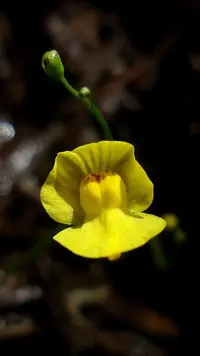
Humped bladderwort (Utricularia gibba) is a small, free-floating aquatic carnivorous plant that forms fine, threadlike mats in still or slow-moving water. It uses tiny bladder traps to capture microscopic aquatic animals, which supplement its nutrient intake.
This species occurs naturally in ponds, ditches, marshes, and wetlands across the Americas and many other warm to mild regions. It lacks true roots and often appears as a loose, green tangle just below the water surface.
Utricularia gibba grows quickly under stable water conditions, which can make it easy but sometimes messy to manage in aquariums and outdoor tubs. Understanding how to care for humped bladderwort starts with providing clean, low-nutrient water and plenty of light.

Care Difficulty
Moderate Care

Light Preference
Partial Sun

Water Requirements
Aquatic

Temperature Preference
Tropical / Frost Sensitive

Hardiness Zone
8–11

Soil Texture
Sandy, Peaty, Organic-rich

Soil pH
Acidic (5.5–6.5), Slightly acidic (6.5–7.0)

Soil Drainage
Waterlogged tolerant

Fertilization
Minimal (feed rarely)
Scan your plant to receive care tips personalized for your specific plant
Available on iOS and Android
This aquatic carnivorous plant prefers bright, gentle light that mimics open, shallow wetlands.
This free-floating plant relies on consistently wet, low-nutrient water rather than soil moisture cycles.
This species favors mild to warm conditions similar to shallow, temperate to subtropical ponds.
This aquatic carnivorous species prefers consistently high humidity around its waterlogged or submerged growth zones.
This species does not use typical soil and instead grows in low-nutrient, waterlogged media or shallow aquatic setups.
This species is very suitable for container culture, especially in shallow trays, tubs, or aquaria.
This free-floating carnivorous species gains most nutrients from prey and usually needs no added fertilizer.
Pruning Utricularia gibba is mainly about controlling spread and maintaining water quality rather than shaping the plant.
Transplanting Utricularia gibba focuses on moving healthy strands between water containers with minimal disturbance.
Utricularia gibba plant care often includes simple vegetative propagation to expand colonies.
This aquatic species is not frost tolerant and needs consistently above-freezing water in cultivation.

Plant Health Check
Not sure what's wrong with your plant? Check your plant's health inside the app.
This species does not root in soil; instead it forms loose, threadlike mats that float in the water column or tangle in other vegetation, allowing it to colonize ponds, ditches, and rice fields with minimal structural support.
Its microscopic bladder traps, often less than 1 mm, use a vacuum mechanism to suck in small prey such as protozoa and tiny crustaceans in a few thousandths of a second, making it one of the fastest known movements in plants.
Despite being a carnivorous plant, it has an unusually compact genome with very little non‑coding DNA, which has been studied to understand how plants can function with a highly streamlined genetic blueprint.

This species is so effective at forming dense floating mats that, under nutrient‑rich conditions, it can rapidly cover the surface of still or slow‑moving water, shading out competing submerged plants and altering light and oxygen conditions in small wetlands.
This species spreads quickly by fine stolons in nutrient-rich, still water. In tubs or ponds it can form dense mats. Contain it in dedicated vessels and remove excess growth regularly to prevent it crowding other aquatic plants.
Keep your plants happy and healthy with plant identification, disease detection, and easy care guidance.

long-leaved butterwort
Pinguicula longifolia
Green pin-cushion alga
Cladophora columbiana
Nodding Bur-marigold
Bidens cernua
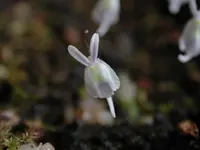
Pondo Bladderwort
Utricularia sandersonii
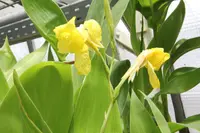
Bandanna-of-the-Everglades
Canna flaccida
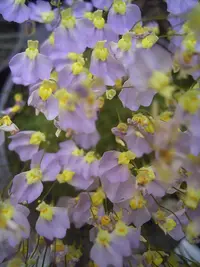
Cape Bladderwort
Utricularia bisquamata
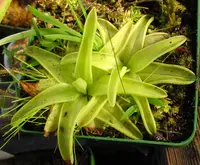
yellow butterwort
Pinguicula lutea
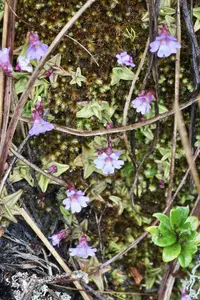
Pinguicula calyptrata
Pinguicula calyptrata