Thrives in wet soils
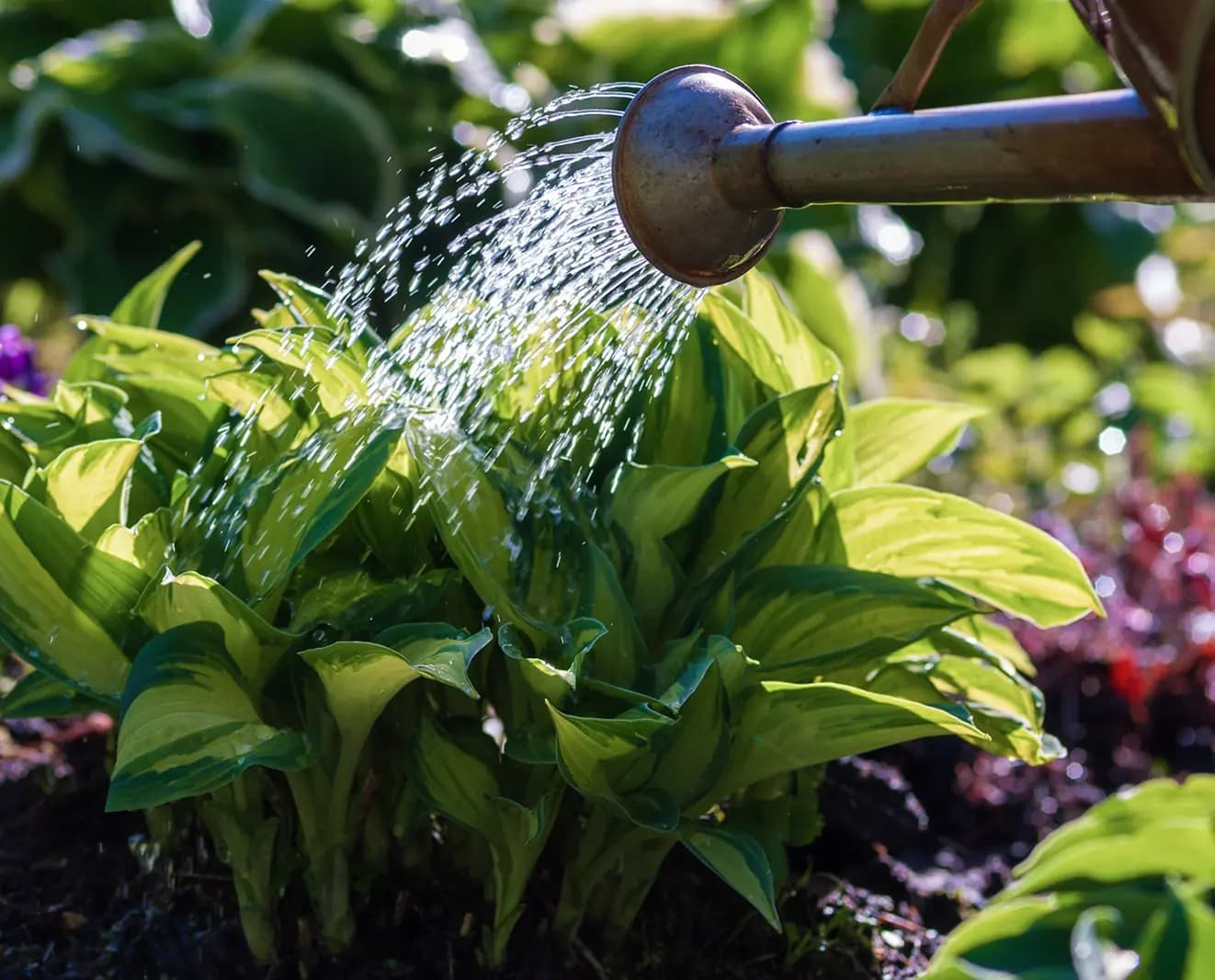
Asclepias incarnata naturally grows in marshes, wet meadows, and along streambanks, so it tolerates saturated soils better than many milkweeds and can even handle occasional shallow standing water during the growing season.

This page explains when, how often, and how much to water Asclepias incarnata for steady, healthy growth.

Water Requirements
Keep Soil Moist
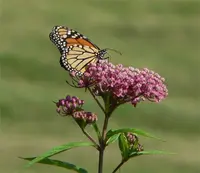
This page explains watering Swamp milkweed so moisture supports growth without creating soggy, airless soil. Asclepias incarnata naturally grows in wet meadows and marsh edges, so it tolerates periodic saturation outdoors.
For garden beds, aim for soil that stays evenly moist during active growth, rather than drying fully. In containers, how to water Swamp milkweed shifts slightly, with closer monitoring to keep moisture steady yet not waterlogged.
Water when the top 1–2 inches (3–5 cm) of soil feel evenly moist but not saturated, since this species prefers consistently damp conditions. Swamp milkweed in containers may need more frequent checks during hot, sunny weather, while in-ground plants near naturally moist areas often go longer between waterings.
Water Swamp milkweed when the top 1 inch (2–3 cm) of soil feels evenly moist, not soggy, using steady, deep soakings.
Incorrect moisture levels can lead to several growth problems for Asclepias incarnata indoors or outdoors.
Lower foliage turns pale and drops early from persistently soggy soil and limited root oxygen.
Stems droop despite damp substrate, often from root rot caused by chronic waterlogging conditions.
New shoots stay short and thin when containers dry completely between waterings for extended periods.
Margins crisp and curl when soil swings rapidly between waterlogged and overly dry states.
Keep roots in evenly moist, well-drained soil, avoiding both prolonged flooding and complete drying cycles.
Unsuitable watering habits can weaken Asclepias incarnata, making plants less resilient, shorter lived, and more vulnerable to environmental stress.
Aim for soil that stays consistently moist but not waterlogged, adjusting water and soil conditions to match weather and container size.
Plant Water Guide
Learn how much water your plant needs and keep its routine on track
Use Botan for a clear watering guide and care steps for Asclepias incarnata, plus gentle photo-based checkups that can highlight early signs of stress or other plant issues.
Asclepias incarnata naturally grows in marshes, wet meadows, and along streambanks, so it tolerates saturated soils better than many milkweeds and can even handle occasional shallow standing water during the growing season.
In the wild, seedlings often establish where spring soils are saturated but slowly dry by midsummer, matching this species’ preference for consistently moist conditions early on and slightly less water once roots are deeper.
Although adapted to wetlands, mature Asclepias incarnata plants can survive short dry spells by relying on their deep, fibrous root system, provided the soil does not stay dry for extended periods across the growing season.
In the ground, keep soil consistently moist, especially the first year, checking every few days in heat. In containers, Swamp milkweed outdoor watering may be needed daily during hot, windy weather to prevent drying.
Botan reviews your watering pattern to show if moisture levels stay on track.
6 min read · 4 Aug 2026
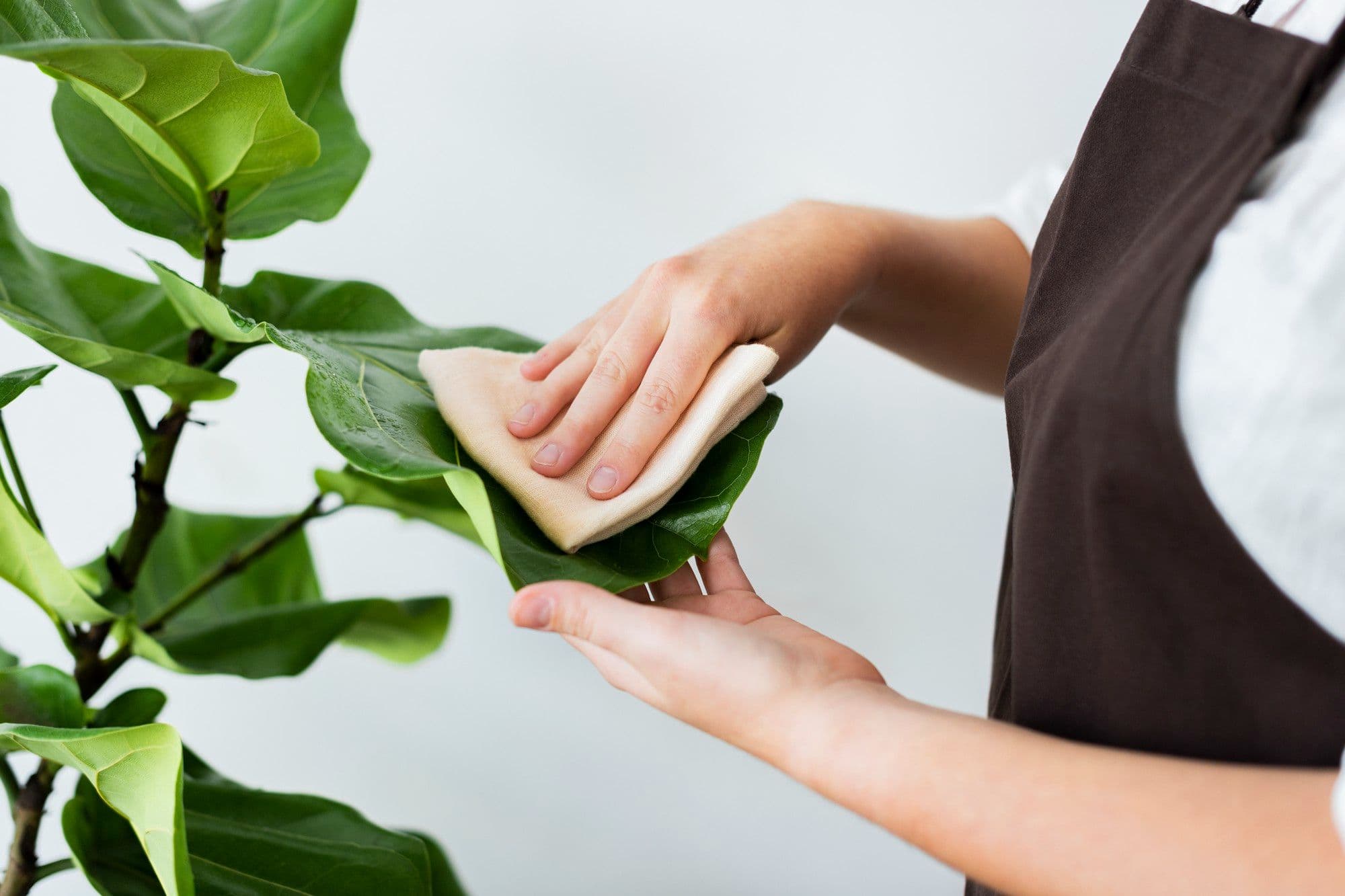
Dusty leaves look dull and don't absorb light well. Below, you'll find simple ways to clean them, which tools are truly effective, how often you should do it, and what causes damage.
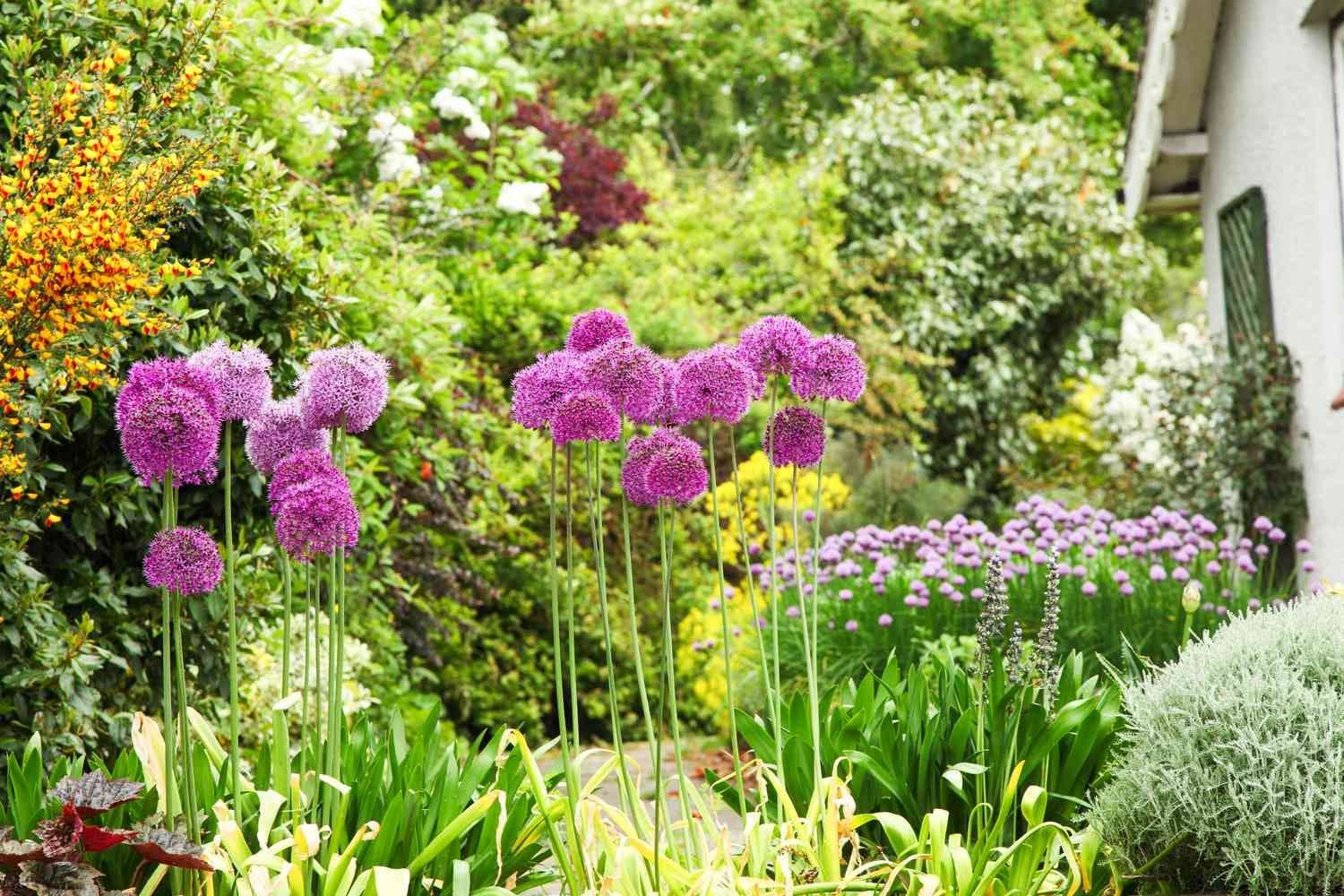
8 min read · 6 Jul 2026
Plants that repel mosquitoes can help mask human scent naturally and make outdoor spaces more comfortable. Explore the most effective options, their benefits and drawbacks, and choose the right plant for your space.
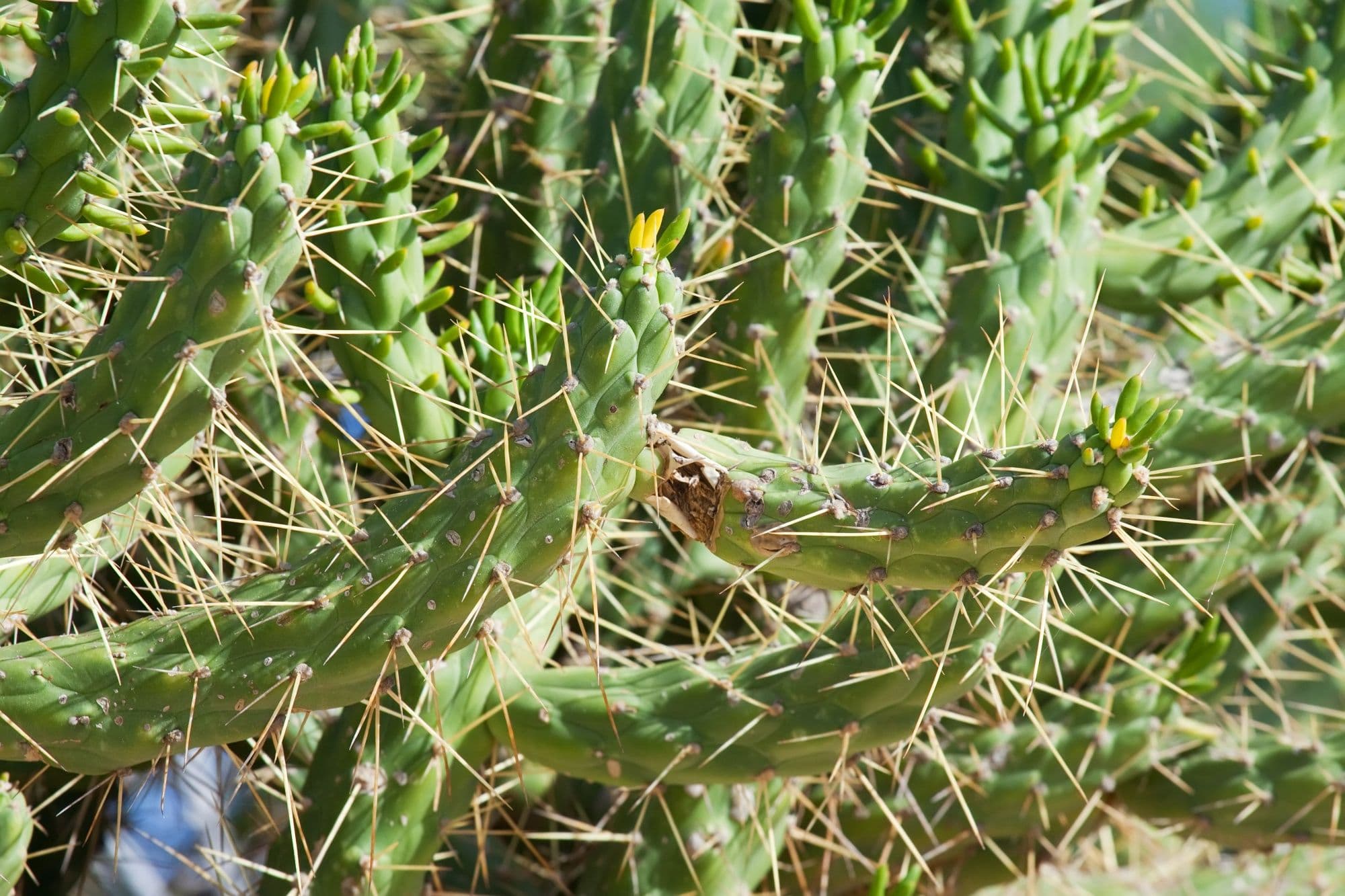
10 min read · 25 Aug 2026
Many plants defend themselves with sharp thorns. This guide explores over 20 examples among flowers, shrubs, trees, and vines. You'll learn what each plant looks like, why it grows thorns, and how to quickly identify them.