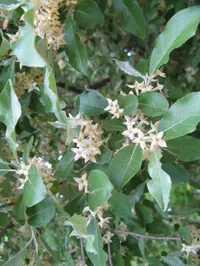
Baja rose Care (Rosa minutifolia)

Also known as: small-leaved rose
Baja rose

About Baja rose

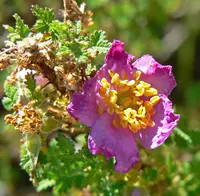
Baja rose, Rosa minutifolia, is a compact, deciduous shrub rose native to Baja California and parts of southern California. It forms low, twiggy mounds covered in very small leaves. In spring, it produces small but vivid pink flowers that appear in clusters, giving the plant a fine-textured yet colorful look. The stems can be spiny, but the overall plant stays quite small and tidy. This species prefers sunny, dry, and well-drained sites, and it tolerates poor, rocky soils better than many garden roses. These drought-tolerant traits make it attractive for low-water landscapes, though it can be slower to establish, so learning how to care for Baja rose helps it perform well.


Main Plant Requirements

Care Difficulty

Moderate Care

Light Preference

Full Sun

Water Requirements

Low Water

Temperature Preference

Warm Climate

Hardiness Zone

8–10

Soil Texture

Sandy, Loamy, Rocky

Soil pH

Slightly acidic (6.5–7.0), Neutral (7.0)

Soil Drainage

Well-drained

Fertilization

Minimal (feed rarely)

Get Personalized Care Plan

Scan your plant to receive care tips personalized for your specific plant

Available on iOS and Android

How to Care for the Baja rose

Rosa minutifolia is a sun-loving desert rose species that needs strong light to flower well.

  • Provide 6–8 hours of direct sun daily; full sun suits established plants in mild, coastal, or arid climates.
  • In hotter inland areas, give morning sun with light afternoon shade to prevent leaf scorch and extend bloom on Baja rose shrubs.
  • Avoid deep shade; stems elongate, flowering drops, and plants become sparse if they receive less than 4–5 hours of direct light.

Rosa minutifolia prefers dry to slightly moist conditions and is highly drought-tolerant once established.

  • Outdoors in the ground, allow soil to dry at least in the top 5–8 cm before deep watering, then soak the root zone thoroughly.
  • Use very fast-draining, sandy or gravelly soil to prevent root rot; water should drain away within a few minutes after irrigation.
  • Reduce watering in fall and winter; shriveling leaves indicate underwatering, while yellowing, soft stems suggest chronically wet soil.

This desert-adapted rose thrives in warm, dry climates and tolerates a wide temperature range once mature.

  • Ideal growing temperatures are 65–85°F (18–29°C) during the day and 50–65°F (10–18°C) at night in the active season.
  • Mature plants can tolerate brief dips to about 20–25°F (-7 to -4°C), but repeated hard frosts may damage young shoots.
  • It handles summer heat up to about 95–100°F (35–38°C) if soil drains well; provide airflow and avoid reflected heat from walls.

Rosa minutifolia handles low humidity well and rarely needs special humidity management.

  • Ideal humidity is 30–50%, similar to dry, coastal or desert-edge climates.
  • This Baja rose tolerates very dry air if soil moisture is appropriate and roots are not waterlogged.
  • True humidity stress is uncommon; leaf scorch is more often from drought or intense sun than from low air moisture.

Rosa minutifolia needs very fast-draining, lean soil that mimics dry, rocky native habitats.

  • Use a sandy or gravelly loam with coarse structure so water drains within minutes, not hours.
  • Aim for slightly acidic to neutral pH around 6.0–7.0, avoiding strongly alkaline or salty substrates.
  • Mix roughly 50–70% mineral material (coarse sand, small gravel, pumice or perlite) with 30–50% low-nutrient loam and minimal compost.
  • Avoid heavy clay, peat-heavy blends, or constantly damp beds, which reduce aeration and quickly cause root decline.

This species can grow in containers if the pot setup keeps roots dry and well aerated.

  • Choose a wide, relatively shallow pot to match the low, mounding root system and prevent water pooling at depth.
  • Use a gritty, fast-draining mix, then raise the pot on feet or bricks so drainage holes never sit in collected water.
  • Select a heavier clay or ceramic pot outdoors to prevent tipping and to moderate rapid moisture swings in hot, windy sites.

This desert rose species needs only light feeding, as it is naturally adapted to lean soils.

  • Use a low-strength balanced NPK fertilizer or thin layer of compost once in early spring as new growth starts when caring for Baja rose.
  • Apply at 1⁄2–1⁄4 the label rate to avoid salt buildup in the root zone.
  • Skip feeding in late fall and winter, when growth slows or stops.
  • Ensure soil is well-drained and never fertilize dry, stressed plants; water lightly before feeding.

Rosa minutifolia benefits from light, targeted pruning to maintain a compact, flowering shrub.

  • Carry out main pruning in late winter to very early spring before strong new growth begins.
  • Remove dead, diseased, or storm-damaged wood with clean, sharp hand pruners.
  • Thin the most crowded, crossing stems at the base to improve light and air flow.
  • Shorten excessively long shoots slightly to refine shape without removing too many flower buds.

This species is usually grown in the ground; transplanting should be infrequent and carefully timed.

  • Transplant in late winter or very early spring, when the plant is dormant or just starting growth.
  • Look for roots circling a container, water running straight through, or noticeably slow growth as cues for moving a potted plant up 1 size.
  • Dig wide with minimal root disturbance, keep existing soil around the root ball, and replant at the same depth in sharply drained soil.
  • Water thoroughly after planting, then keep soil slightly moist (not wet) for several weeks to reduce transplant shock.

Rosa minutifolia can be propagated, but success is moderate and methods require patience.

  • Take semi-ripe cuttings in late spring to early summer, using 7–10 cm non-flowering shoots with several leaf nodes.
  • Insert cuttings into a very well-drained, gritty mix, then maintain bright light, high humidity, and 65–75°F temperatures.
  • Sow fresh seeds in fall, using a cold period of natural winter stratification to improve germination.
  • Keep young plants in small pots or a nursery bed for 1–2 years before moving to a permanent, drought-exposed site.

This desert-adapted rose is quite cold hardy in suitable zones and usually needs minimal winter care.

  • Tolerates light to moderate frost once established, but young plants benefit from extra shelter in the first 1–2 winters.
  • Apply a thin, 2–5 cm layer of gravel or coarse mulch around the base, keeping it off the stems to avoid rot.
  • In very cold regions or exposed sites, grow in containers and overwinter in a cold, bright, frost-free spot with almost dry soil.

Care Tips

Low-profile mulching

Apply a very thin, gritty mineral mulch layer (such as decomposed granite or fine gravel) around but not touching the crown to cool the root zone, limit weed competition, and avoid trapping excess moisture on this desert-adapted species.

Root-zone drainage test

Before planting in the ground, dig a 30–40 cm deep test hole and fill it with water twice; only plant once the second filling drains in under 2–3 hours to ensure the extremely fine roots do not sit in stagnant moisture.

Air-pruning containers

For container plants, use air-pruning or fabric pots to encourage a fibrous, compact root system that tolerates drought and heat better than plants grown in smooth-walled plastic containers.

Summer stress management

In very hot, dry inland sites, add a simple windbreak screen on the southwest side to reduce desiccating winds, which helps maintain shoot tips needed for flowering when growing Baja rose.

Selective stem renewal

Every 2–3 years, remove a small portion of oldest, woodiest stems at ground level in late winter to keep the plant low, airy, and able to regenerate productive flowering shoots without altering its natural mound shape.

Common Pests and Diseases

Spider mites

This pest is favored by hot, dry conditions and can occur on fine, small leaves like those of Baja rose, causing stippling and a dull, grayish cast. Symptoms include tiny webbing between stems and rapid leaf stress during prolonged drought combined with heat waves.

Solution

Rinse foliage thoroughly with a strong but controlled stream of water, focusing on the undersides of leaves, and repeat every few days until activity drops. In home gardens, introduce or conserve predatory mites where possible and, if needed, use insecticidal soap or a light horticultural oil applied in the early morning, avoiding treatments during extreme heat.

Rose scale

This pest appears as tiny, hard, shell-like bumps on older stems, which can weaken slow-growing shrubs over time. Symptoms include poor new growth, twig dieback, and a dull, roughened bark surface.

Solution

Gently scrape off localized scale by hand or with a soft brush, then prune out and discard heavily infested twigs. For broader infestations, apply horticultural oil during the dormant or coolest season to smother scale, ensuring full coverage of stems while keeping the plant otherwise unstressed by drought or recent pruning.

Botrytis blight

This disease can affect buds and flowers of compact roses during cool, damp spells, especially when air circulation is poor. Symptoms include buds that fail to open, petals with soft brown spots, and gray fuzzy mold on decaying tissues.

Solution

Promptly remove and discard all affected buds, flowers, and nearby debris, then improve air movement by thinning congested stems and avoiding overhead watering. In persistently wet climates, consider using a targeted rose fungicide at label rates as a preventative during prolonged cool, humid weather while maintaining the plant as dry as practical at night.

Powdery mildew

This disease may appear on small leaves when warm days are followed by cool nights, even in relatively dry climates. Symptoms include white, powdery patches on leaves and young stems, sometimes causing leaf distortion or early drop.

Solution

Increase airflow by spacing plants properly and selectively thinning dense interior shoots, and water at the base in the morning so foliage dries quickly. Remove and discard affected leaves and, if needed, apply a sulfur or potassium bicarbonate-based fungicide labeled for roses, starting early in the outbreak and repeating as recommended for effective Rosa minutifolia care.

Interesting Facts

Native coastal specialist

This species is naturally restricted to coastal scrub and chaparral in Baja California and a small part of southern California, where it is adapted to dry, rocky, alkaline soils with very little organic matter.

Minute leaves adaptation

The tiny, threadlike leaves that give the species its name minutifolia reduce surface area and help limit water loss, an adaptation to its hot, arid habitat with strong sunlight and seasonal drought.

Low, mounding growth

In the wild, this rose typically forms low, mounded shrubs rather than tall canes, allowing it to withstand coastal winds and conserve moisture close to the ground.

Botan icon

Did you know?

Rosa minutifolia is considered one of the smallest-leaved roses in the genus Rosa, making it a distinctive taxon of interest in studies of morphological adaptation to arid environments.

FAQs about Baja rose

Poor flowering usually comes from too little sun, excess nitrogen fertilizer, or heavy pruning at the wrong time, which removes flower buds. Age also matters, as young plants often need several seasons to bloom reliably.

Grow Healthy Plants with Botan Care

Keep your plants happy and healthy with plant identification, disease detection, and easy care guidance.

Botan plant care app — identify plants on mobile

Explore More Plants