Morning Glory Care (Ipomoea tricolor 'Heavenly Blue')

Also known as: Grannyvine
Morning Glory

About Morning Glory

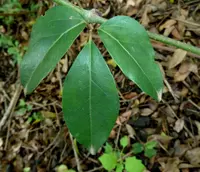
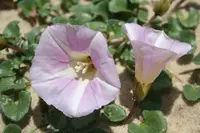
Morning glory Ipomoea tricolor 'Heavenly Blue' is a fast-growing flowering vine, often grown as an annual. It is known for large, sky-blue funnel-shaped blooms and lush heart-shaped leaves.

This cultivar originates from Central and South America, where it climbs over shrubs and fences in warm, sunny areas. In gardens, it readily twines up trellises, railings, and arches.

The plant grows quickly from seed, which makes it appealing for beginners, but it needs strong light and regular support to climb well. Understanding how to care for Morning Glory mainly involves providing full sun, a well-drained soil, and consistent but moderate moisture.

Main Plant Requirements

Care Difficulty

Moderate Care

Light Preference

Full Sun

Water Requirements

Moderate Water

Temperature Preference

Tropical / Frost Sensitive

Hardiness Zone

9–11

Soil Texture

Sandy, Loamy, Organic-rich

Soil pH

Acidic (5.5–6.5), Slightly acidic (6.5–7.0)

Soil Drainage

Well-drained

Fertilization

Light (every 4–6 weeks)

Get Personalized Care Plan

Scan your plant to receive care tips personalized for your specific plant

Available on iOS and Android

How to Care for the Morning Glory

This vigorous climber needs strong light to flower well outdoors.

  • Provide 6–8 hours of direct sun daily, ideally with morning sun and light afternoon shade to protect blooms in hot summers.
  • Plants tolerate light partial shade, but flowering decreases if they receive less than about 4–5 hours of direct sun.
  • In cooler seasons, ensure an open, unshaded position so Morning Glory vines are not shaded by trees, buildings, or taller plants.

This fast-growing vine prefers evenly moist but not saturated soil during active growth.

  • Water when the top 3–5 cm of soil feels dry, applying enough to moisten the root zone without leaving standing water.
  • Use well-draining soil; yellowing, soft leaves and a sour smell indicate overwatering, while limp, dull leaves and dry, shrinking soil indicate underwatering.
  • During hot, windy summer weather, watering may be needed more often, but reduce frequency in cooler periods once flowering slows or growth declines.

This annual vine thrives in warm conditions and is sensitive to cold and frost.

  • Optimal growth occurs around 70–85°F (21–29°C), with strongest climbing and flowering once nights stay above 60°F (16°C).
  • Avoid exposure below 50°F (10°C); frost at 32°F (0°C) or lower will typically kill foliage and stems of Ipomoea tricolor 'Heavenly Blue'.
  • The plant tolerates short heat spikes up to about 95°F (35°C) if soil moisture is maintained, but prolonged extreme heat can reduce flowering.

This climber grows well in typical household humidity without special measures.

  • Target 40–60% humidity, which is common in most homes, for stable leaf and flower development.
  • Dry indoor air is usually tolerated, but very low humidity can cause leaf edges to brown and flower buds to dry.
  • Increase humidity slightly by grouping plants or placing a water tray nearby only if you see repeated leaf crisping.

This species prefers light, well-drained, slightly fertile soil that does not stay wet.

  • Use a loose mix such as 50–60% peat- or coco-based potting mix with 20–30% compost and 20–30% perlite or coarse sand for structure and drainage.
  • Aim for slightly acidic to neutral pH, around 6.0–7.0, which supports nutrient uptake and healthy root growth.
  • Ensure strong drainage so water runs through quickly; standing water or heavy, compacted clay soils encourage root rot and weak growth.
  • For Ipomoea tricolor 'Heavenly Blue', avoid highly enriched, dense mixes, which push soft foliage over flowering and reduce aeration around the roots.

This vine is well suited to container growing outdoors when given support and drainage-focused care.

  • Choose a deep, heavy container that resists tipping as the vine climbs and helps anchor tall supports or trellises.
  • Select terracotta or other porous materials if excess moisture is an issue, as they allow faster evaporation from the root zone.
  • Use a container slightly wider than it is tall to give the spreading root system lateral space while maintaining stability for vertical growth.

Ipomoea tricolor 'Heavenly Blue' benefits from modest feeding to support vigorous vines and flowering.

  • Use a balanced liquid fertilizer (such as 10-10-10 or 20-20-20) diluted to 1/2 strength for container-grown Morning Glory.
  • Feed every 2–3 weeks during the active growing season, once seedlings have at least 2–3 true leaves.
  • Avoid high-nitrogen products that push leaf growth at the expense of flowers; choose balanced or bloom-focused formulas.
  • Stop feeding in late summer to early fall so growth can slow naturally before frost or plant decline.

Pruning helps keep Ipomoea tricolor 'Heavenly Blue' manageable and flowering well through the season.

  • Use clean, sharp scissors or hand pruners to avoid crushing young stems.
  • In late spring and midseason, pinch or trim soft shoot tips to encourage branching and more flower-bearing stems.
  • Remove dead, yellowing, or storm-damaged growth whenever seen to reduce disease risk.
  • Thin out overly crowded or tangled vines to improve airflow and guide the plant along its support.

This fast-growing annual vine is usually transplanted outdoors rather than repeatedly repotted.

  • Start seedlings in small pots or cells and transplant once roots lightly fill the plug, before they begin circling.
  • Move plants outside after frost danger has passed and soil reaches at least 60°F for steady growth.
  • Choose a sunny site with well-drained soil and install a trellis or support at planting time.
  • Water well after transplanting, then keep soil evenly moist for 1–2 weeks to limit transplant shock.

Ipomoea tricolor 'Heavenly Blue' is most commonly propagated from seed for strong, uniform plants.

  • Sow seeds in spring after frost or indoors 4–6 weeks earlier under bright light.
  • Nick or lightly file the seed coat, then soak seeds 12–24 hours in water to speed germination.
  • Plant seeds 0.5–1 in deep in light, well-drained mix kept at 65–75°F and evenly moist.
  • Provide strong light and good airflow for seedlings, then harden off outdoors over 7–10 days before planting out.

This vine is usually grown as a warm-season annual and does not survive typical freezing winters.

  • Expect top growth to die after the first hard frost; remove dead vines from supports to reduce pests and reseeding.
  • In mild climates, volunteers may sprout from dropped seed the following spring without special measures.
  • Container plants can be discarded after frost or replaced from fresh seed next season rather than overwintered indoors.

Care Tips

Early vine training

Install a sturdy trellis, netting, or wires before planting and loosely guide young vines to the support every few days so they climb vertically instead of tangling on nearby plants or fences.


Pinch for branching

When seedlings reach 10–15 cm, pinch out the very tip of the main stem once to encourage side shoots, which increases flowering sites and produces a fuller screen or cover.

Heatwave flower support

During very hot periods above about 90°F, add a light afternoon shade cloth or position a temporary screen to reduce stress and help flowers last longer through the day.

Seed succession planting

Sow small batches of seed every 2–3 weeks from late spring into early summer to maintain a steady display of blooms instead of a short, intense flush.

End-of-season cleanup

At season’s end, remove and dispose of all dried vines and seed pods rather than composting them on-site to limit self-seeding and reduce overwintering sites for pests and diseases when caring for Morning Glory.

Everything About Morning Glory

Common Pests and Diseases

Leaf miners

This pest tunnels inside the leaves, creating winding, pale trails that can distort young foliage on fast-growing vines.

Solution

Remove and discard affected leaves to reduce larvae, and avoid overhead watering that softens leaf tissue; for recurring issues, use a spinosad-based spray directed at both leaf surfaces in the evening when pollinators are less active.

Spider mites

These insects cause fine stippling, bronzing, and a dull appearance on leaves, often accompanied by delicate webbing, especially in hot, dry conditions.

Solution

Spray the foliage with a firm stream of water to knock mites off, then follow with insecticidal soap or horticultural oil on both leaf surfaces every 5–7 days until new growth appears clean while also increasing ambient humidity around the plants.

Morning glory rust

This disease produces yellow spots on the upper leaf surface and orange to brown pustules on the undersides, leading to leaf drop in severe cases.

Solution

Promptly remove and dispose of affected leaves, water at soil level to keep foliage dry, and improve spacing and airflow; in persistent cases, use a sulfur or copper-based fungicide labeled for rust on ornamental vines according to package directions.

Fusarium wilt

Symptoms include sudden wilting, yellowing from the lower leaves upward, and brown discoloration in the stem tissues, often on one side of the plant first.

Solution

Remove and destroy affected vines, avoid replanting morning glory in the same spot for several years, and choose well-drained soil; when starting new plants, practice crop rotation and use clean tools and containers to reduce fungal carryover when you grow Ipomoea tricolor 'Heavenly Blue' outdoors.

Aphids

These insects cluster on tender shoots, buds, and the undersides of leaves, causing curling, distortion, and sticky honeydew that can attract sooty mold.

Solution

Pinch or hose off colonies, then apply insecticidal soap or neem oil thoroughly to new growth and leaf undersides at 5–7 day intervals, and limit excess nitrogen fertilizer that encourages the soft, rapid growth aphids prefer.

Interesting Facts

Distinct morning color change

The flowers open in the morning as a vivid sky blue with a white throat and typically fade toward pale blue or nearly white by afternoon due to pH-linked pigment changes in the petals.

Short-lived but continuous blooms

Individual flowers last only a single day, but the vine produces many buds at once, so it can flower almost daily over a long warm season when conditions are suitable.

Origin and breeding background

This cultivar was selected from Mexican populations of Ipomoea tricolor in the 20th century for its large, bright blue corollas and has since become one of the most widely grown ornamental morning glories worldwide.
Botan icon

Did you know?

Ipomoea tricolor and closely related species contain ergoline alkaloids in their seeds, and reports of traditional ritual use by Indigenous groups in Mexico helped draw scientific attention to this species complex, although the ornamental cultivar 'Heavenly Blue' is grown almost exclusively for its decorative value.

FAQs about Morning Glory

Poor flowering usually results from too much nitrogen fertilizer, insufficient sun, or plants that are still immature. Avoid high-nitrogen feeds, ensure full sun, and be patient; many vines bloom best after several weeks of strong growth.

Grow Healthy Plants with Botan Care

Keep your plants happy and healthy with plant identification, disease detection, and easy care guidance.

Botan plant care app — identify plants on mobile

Explore More Plants