Rose Care (Rosa 'Pope John Paul II')

Rose

About Rose

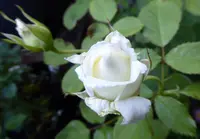
Rosa 'Pope John Paul II' is a modern hybrid tea rose known for very large, pure white blooms and a strong, classic rose fragrance. It grows as an upright shrub with long stems that hold individual, exhibition-style flowers.

This cultivar was bred for garden use rather than found in the wild and is popular in temperate landscapes across North America. It is valued for repeat flowering, good vigor, and improved disease resistance compared with many older white roses.

The plant prefers full sun, evenly moist but well-drained soil, and benefits from regular pruning, which influences how to care for Rose in home gardens.

Main Plant Requirements

Care Difficulty

Moderate Care

Light Preference

Full Sun

Water Requirements

Regular Water

Temperature Preference

Cool Climate

Hardiness Zone

5–9

Soil Texture

Loamy, Sandy, Organic-rich

Soil pH

Acidic (5.5–6.5), Slightly acidic (6.5–7.0)

Soil Drainage

Moist but well-drained

Fertilization

Moderate (every 2–4 weeks)

Get Personalized Care Plan

Scan your plant to receive care tips personalized for your specific plant

Available on iOS and Android

How to Care for the Rose

This shrub rose performs best with abundant direct sun while avoiding extreme afternoon scorch in hot climates.

  • Provide 6–8 hours of direct sun daily, with at least 4 hours of gentle morning sun for strong flowering and sturdy growth.
  • Allow light afternoon shade in regions above USDA zone 8 to reduce leaf scorch and petal burn during intense summer heat.
  • In spring and fall, full sun all day is usually ideal; in deep shade (under 4 hours), expect fewer blooms, leggier stems, and weaker disease resistance.

Rosa 'Pope John Paul II' needs deep but infrequent watering that keeps roots moist without staying saturated.

  • Water when the top 3–5 cm of soil feels dry, applying a slow, deep soak at the root zone rather than light surface sprinkling.
  • Ensure soil drains freely; standing water, sour smell, or yellowing, soft leaves suggest overwatering and possible root stress.
  • In hot, dry periods, increase frequency while still letting the surface dry slightly; in cool or rainy seasons, reduce watering and rely more on natural rainfall.

This hybrid tea rose prefers moderate temperatures and tolerates winter cold when properly established and protected.

  • Aim for active growth in 65–80°F (18–27°C); flowering and foliage quality are most stable within this range.
  • Mature plants in the ground often survive down to about 0–5°F (-18 to -15°C) with mulch; young plants are less hardy and benefit from extra winter protection.
  • In summer heat above 90°F (32°C), blooms may shorten and petals may scorch, so provide mulch and, where possible, light afternoon shade to protect roots and flowers.

This rose thrives in typical outdoor humidity but prefers mild, stable conditions.

  • Aim for 40–60% humidity, which most outdoor climates naturally provide.
  • The plant tolerates short dry spells but may show crisp leaf edges and slower bud development in very dry air.
  • Increase humidity in hot, arid periods with early-morning overhead watering or nearby water-filled gravel trays, keeping foliage dry by evening.

Rosa 'Pope John Paul II' performs best in deep, well-structured, moisture-retentive but free-draining soil.

  • Use loamy soil enriched with 20–30% compost to support strong root growth and sustained flowering.
  • Ensure sharp drainage by avoiding heavy, compacted clay; incorporate coarse sand or fine gravel if water lingers after rain.
  • Target a slightly acidic to neutral pH around 6.0–7.0 for optimal nutrient uptake and root health.
  • Mix in organic matter to improve aeration and avoid planting where water collects or where previous roses declined from soil-borne disease.

This rose can be grown successfully in containers if the pot is large and stable.

  • Choose a container at least 40–50 cm deep to accommodate the long taproot and lateral roots without crowding.
  • Select a heavy, thick-walled pot to stabilize the tall, top-heavy growth against wind and prevent tipping.
  • Use a slightly raised pot stand so drainage holes stay clear and runoff escapes freely after deep watering.

Rosa 'Pope John Paul II' responds well to consistent, moderate feeding during the main growing season.

  • Use a balanced rose fertilizer or balanced NPK granular formula, or top-dress with well-rotted compost in spring.
  • Feed every 4–6 weeks from early spring to mid-summer, then stop 6–8 weeks before expected frost.
  • Apply at 1/2–3/4 label strength for liquids, onto moist soil, and water in thoroughly.
  • Do not fertilize during winter dormancy; resume only when buds swell and new growth begins.

Pruning maintains bloom quality, structure, and health in Rosa 'Pope John Paul II'.

  • Carry out main pruning in late winter to very early spring, just before buds break.
  • Remove dead, diseased, crossing, or inward-growing stems, keeping 4–6 strong, outward-facing canes.
  • Shorten remaining canes by about 1/3–1/2 to encourage vigorous new flowering shoots.
  • Use clean, sharp bypass pruners and make angled cuts above outward-facing buds.

This hybrid tea rose is usually grown in the ground, so focus on careful transplanting rather than frequent repotting.

  • Transplant in early spring or fall when temperatures are mild and growth is slower.
  • Move plants only every several years, when growth declines or site conditions are clearly unsuitable.
  • Signs a potted plant needs repotting include roots circling the container and fast-drying soil.
  • Water deeply before and after moving, keep as much root ball intact as possible, and shade for a few days to limit stress.

Home propagation of Rosa 'Pope John Paul II' is possible but often restricted by cultivar rights and is slower than buying grafted stock.

  • Softwood or semi-ripe stem cuttings in late spring to midsummer are the most practical method.
  • Take 10–15 cm cuttings with 2–3 nodes, remove lower leaves, and dip the base in rooting hormone.
  • Insert cuttings into sterile, moist, well-drained mix and keep at 65–75°F with high humidity and bright, indirect light.
  • Seed propagation does not come true to type and is mainly used for breeding, not for Rosa 'Pope John Paul II' plant care.

This rose is fairly cold hardy but benefits from simple winter protection in colder climates.

  • In zones with freezing winters, mound 10–15 cm of compost or soil over the crown after hard frost.
  • Use 5–8 cm of organic mulch around the root zone to buffer freeze–thaw cycles.
  • In very cold or exposed sites, wrap lower canes loosely with burlap to limit desiccation and stem damage.
  • Overwinter container plants in an unheated garage or sheltered spot, keeping the root ball just slightly moist.

Care Tips

Bud thinning

Remove some flower buds in early season, leaving 1 strong central bud per cluster, to encourage larger, better-formed blooms and reduce stress on the plant.

Airflow shaping

Train and prune canes to create an open vase shape, which improves air circulation through the center and reduces risk of black spot and powdery mildew on this variety.

Clean picking routine

Always deadhead and cut stems with sharp, disinfected tools and remove all fallen petals and leaves from the soil surface to lower disease pressure around the base.

Targeted mulch ring

Maintain a 5–8 cm mulch ring around the plant, keeping it a few cm away from the main canes, to stabilize soil moisture, protect roots, and limit weed competition without inviting rot.

Bloom phase feeding

During heavy flowering, use a balanced, rose-specific fertilizer at labeled rates right after a flush of blooms is finished to support repeat flowering while avoiding fertilizer burn when growing Rose.

Common Pests and Diseases

Powdery mildew

This disease shows as white, powdery patches on leaves, stems, and buds, often during warm days with cool, humid nights. Symptoms include distorted new growth and reduced flowering if not controlled.

Solution

Improve air circulation around the bush, avoid wetting foliage when watering, and remove heavily affected leaves. If needed, apply a sulfur or potassium bicarbonate fungicide labeled for roses at the first signs of infection, repeating as directed during high-risk weather.

Black spot

This disease causes round black spots with yellow halos on older leaves, which then turn yellow and drop prematurely. Symptoms include thinning foliage and reduced vigor, especially during wet, warm periods.

Solution

Promptly remove and discard infected leaves from the plant and ground, and water at soil level to keep foliage dry. Use a preventive rose fungicide program in spring and continue at label intervals during rainy periods to protect new growth, while also spacing plants for better airflow as part of Rosa 'Pope John Paul II' plant care.

Botrytis blight

This disease affects buds and flowers, causing them to turn brown, fail to open, or develop gray fuzzy mold on petals. Symptoms include browned petal edges and soft, collapsing flower tissues in cool, damp conditions.

Solution

Remove and discard all affected buds and flowers, including any debris on the soil surface, to reduce spore levels. Increase sun exposure and airflow if possible, avoid overhead watering, and apply a labeled fungicide for botrytis during prolonged cool, wet spells when problems are recurrent.

Rose aphids

These insects cluster on soft shoot tips and buds, sucking sap and causing curled leaves, sticky honeydew, and distorted flowers. This pest appears most often during flushes of tender new growth in spring and early summer.

Solution

Spray colonies off with a firm stream of water, repeating every few days as needed, and pinch off heavily infested shoot tips. If populations remain high, use insecticidal soap or a horticultural oil labeled for roses, coating the undersides of leaves and buds in the early morning or late evening.

Japanese beetles

These insects chew between leaf veins, leaving a lace-like pattern, and also damage flowers by feeding on petals. This pest is particularly active on sunny, warm days in mid-summer and can skeletonize foliage quickly when abundant.

Solution

Hand-pick beetles in early morning when they are sluggish and drop them into soapy water, focusing on first arrivals to slow attraction to the plant. If pressure is heavy, use row covers where practical or apply a targeted contact insecticide labeled for Japanese beetles on roses, treating in the evening to reduce impact on pollinators.

Interesting Facts

Notable fragrance profile

This hybrid tea rose is widely recognized for an unusually strong, classic rose fragrance with citrus and spice notes, which is more intense than that of many modern hybrid teas bred primarily for appearance.

High petal count blooms

Individual flowers often show a very full, high-centered form with many overlapping petals, creating a dense, spiral-shaped bloom that reflects breeding focused on exhibition-quality flowers.

Named with Vatican approval

The cultivar was named to honor Pope John Paul II, and the name was accepted with Vatican approval, which is relatively uncommon for ornamental plant cultivars named after religious figures.

Botan icon

Did you know?

This cultivar has been used as a formal garden rose in several prominent religious and memorial gardens due to its white color symbolizing purity and remembrance, giving it a distinct role in contemporary commemorative landscape design.

FAQs about Rose

Abundant leaves with few or no flowers usually indicate insufficient light, excess nitrogen fertilizer, or old, unpruned wood. Ensure full sun, use a balanced or rose-specific fertilizer, and prune to stimulate fresh, flowering canes.

Grow Healthy Plants with Botan Care

Keep your plants happy and healthy with plant identification, disease detection, and easy care guidance.

Botan plant care app — identify plants on mobile

Explore More Plants