Manage basal shoots
Retain 3–5 of the strongest new basal shoots from the crown each year and remove weak, crowded ones at ground level to keep the shrub open, stable, and blooming well over time.

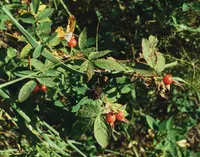
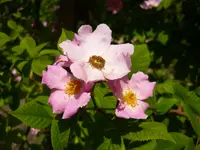
Sherard's downy-rose, Rosa sherardii, is a small wild rose species known for its compact, bushy habit and softly hairy leaves and stems. It typically carries single, pink flowers followed by small red hips that attract wildlife.
This species is native to parts of Europe, often found in dry grasslands, scrub, and light woodland edges. Its natural habitat hints at a preference for well-drained, moderately fertile soils.
Rosa sherardii is generally hardy and tolerant of cold, but it does best with good light and protection from severe waterlogging. Gardeners who learn how to care for Sherard's Downy-rose usually find it a durable, low-maintenance shrub once established.

Care Difficulty
Moderate Care

Light Preference
Full Sun

Water Requirements
Moderate Water

Temperature Preference
Cold Hardy

Hardiness Zone
4–7

Soil Texture
Loamy, Sandy, Organic-rich

Soil pH
Acidic (5.5–6.5), Slightly acidic (6.5–7.0)

Soil Drainage
Moist but well-drained

Fertilization
Minimal (feed rarely)
Scan your plant to receive care tips personalized for your specific plant
Available on iOS and Android
This wild rose prefers bright conditions with a balance of direct sun and light shade.
This species prefers evenly moist, well-drained soil rather than constant wetness.
This hardy rose tolerates cool climates but grows best in moderate temperatures.
This rose tolerates a wide humidity range and usually does not need special humidity management outdoors.
Rosa sherardii prefers moderately fertile, well-drained, structured soil that retains some moisture without staying wet.
This species can be grown in containers if the pot is large and stable enough for its shrub habit.
This wild rose needs only modest feeding in typical garden soil, so focus on supporting steady growth rather than pushing heavy flowering.
Pruning helps maintain Rosa sherardii as a healthy, open shrub with good flowering wood.
This species is usually grown in the ground, so focus on thoughtful transplanting rather than frequent container repotting.
Rosa sherardii is most often propagated by cuttings or seed when true-to-type plants or genetic diversity are desired.
This hardy rose tolerates typical temperate winters and usually needs only light preparation.

Plant Health Check
Not sure what's wrong with your plant? Check your plant's health inside the app.
This species is strongly associated with calcareous, lime-rich soils and is naturally found on limestone pavements, chalky banks, and base-rich upland slopes in parts of Europe and the UK, where many other wild roses struggle to grow.
Its leaflets and young stems have a dense greyish down, giving the plant a soft, matte appearance and helping reduce water loss and sun stress in exposed upland habitats.
In the British Isles it is mainly a plant of northern England, Wales, and parts of Scotland, often occurring in scattered, localized colonies that reflect its narrow habitat preferences rather than wide-ranging spread.
This species usually flowers in late spring to early summer, often May–June in temperate climates. Individual blooms last several days, but the shrub can remain in flower for a few weeks if conditions stay cool and moist.
Keep your plants happy and healthy with plant identification, disease detection, and easy care guidance.