Gaultheria leucocarpa Care

Gaultheria leucocarpa

About Gaultheria leucocarpa

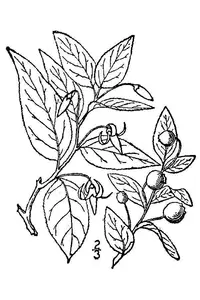
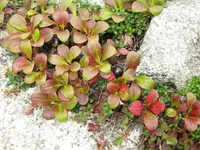
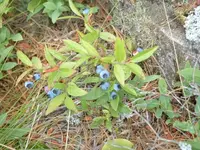
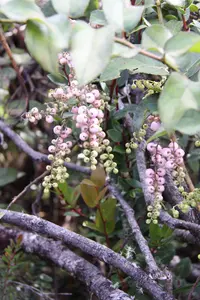
Gaultheria leucocarpa is an evergreen shrub from the heath family, valued mainly for its white berries and small, leathery leaves. It usually forms low, compact mounds or spreading clumps, creating a dense groundcover in suitable conditions.

This species naturally occurs in parts of Asia, often in cool, moist, upland forests and shrublands. It prefers acidic, humus-rich soil and consistent moisture, but needs good drainage to avoid root problems.

Gardeners who want to care for Gaultheria leucocarpa should note that it is generally slow-growing and somewhat particular about soil pH and moisture, so it suits patient growers in cooler climates.

Main Plant Requirements

Care Difficulty

Moderate Care

Light Preference

Partial Shade

Water Requirements

Moderate Water

Temperature Preference

Cool Climate

Hardiness Zone

7–9

Soil Texture

Loamy, Peaty, Organic-rich

Soil pH

Strongly acidic (4.5–5.5), Acidic (5.5–6.5)

Soil Drainage

Moist but well-drained

Fertilization

Minimal (feed rarely)

Get Personalized Care Plan

Scan your plant to receive care tips personalized for your specific plant

Available on iOS and Android

How to Care for the Gaultheria leucocarpa

This shrub prefers cool, bright sites with soft light rather than intense, direct sun.

  • Provide 3–5 hours of gentle morning sun with light shade or dappled light in the afternoon, especially in warmer climates.
  • Tolerates partial to full shade, but flowering and berry production in Gaultheria leucocarpa improve with some direct early-day sun.
  • Avoid harsh midday summer sun, which can brown leaves; in winter, slightly more sun exposure is beneficial where temperatures stay cool.

This species prefers consistently moist, cool soil without becoming waterlogged.

  • Water when the top 2–3 cm of soil feels barely dry, aiming to keep the root zone evenly moist rather than wet or bone dry.
  • Use humus-rich, well-drained, slightly acidic soil; standing water or heavy clay increases root rot risk, especially in warm weather.
  • In hot, dry periods, monitor for wilting or dull, curling leaves as signs of underwatering; yellowing, soft foliage often signals excess moisture.

This shrub is naturally cool-climate and tolerates significant cold once established.

  • Optimal growth occurs around 50–70°F (10–21°C), with steady cool conditions favoring healthy foliage, flowers, and fruit set.
  • Mature plants often survive down to about 0°F (−18°C) or slightly lower, but young plants benefit from mulch to buffer winter freezes.
  • Heat above 80–85°F (27–29°C) can stress plants; provide shade and mulch during hot spells and avoid planting in heat-reflective sites.

This shrub prefers moderate, woodland-like humidity but usually copes with typical outdoor levels.

  • Aim for 40–60% humidity in sheltered, shaded positions to mimic its natural forest-edge environment.
  • Dry, hot air combined with full sun can cause leaf curl, browning edges, and premature berry drop.
  • Increase humidity outdoors with organic mulch over the root zone and by planting near other shrubs to reduce moisture loss around the foliage.

Gaultheria leucocarpa grows best in consistently moist, acidic, well-drained soil rich in organic matter.

  • Use a loose, humus-rich loamy mix with fine bark and compost to mimic forest floor conditions and retain moisture without becoming waterlogged.
  • Keep pH slightly acidic, around 4.5–6.0, by using ericaceous compost or adding elemental sulfur if the native soil is alkaline.
  • Improve drainage and aeration by incorporating coarse sand or perlite, especially in heavier clay-based garden soils or raised beds.
  • Avoid compacted, lime-rich, or drought-prone soils, as these restrict root function and can cause chlorosis, stunting, or dieback.

This species is suitable for container growing when the potting setup supports its shallow, fibrous root system.

  • Choose a wide, relatively shallow pot to match the spreading root habit and keep moisture distribution even across the root zone.
  • Select a heavy ceramic or clay container in windy sites to prevent tipping when the shrub is in full leaf and fruit.
  • Elevate the pot on feet or spacers so drainage holes stay clear and excess water escapes quickly after rain or irrigation.

This shrub grows best in moderately fertile, acidic soil, so Gaultheria leucocarpa benefits from light, targeted feeding rather than heavy fertilization.

  • Apply a slow-release, acid-forming shrub fertilizer or balanced NPK (such as 10-10-10) at half strength in early spring.
  • Feed once more in mid-summer only if growth is weak or leaves pale, avoiding overfeeding in rich soils.
  • Supplement with a thin layer of acidic compost or leaf mold over the root zone instead of repeated liquid feeds.
  • Stop fertilizing in late summer to allow new growth to harden before winter and avoid forcing soft, frost-prone shoots.

Pruning needs are light and mainly focused on maintaining a compact, healthy framework on Gaultheria leucocarpa.

  • Prune in late winter or just after flowering so flower buds for the next season are not removed.
  • Use clean, sharp hand pruners to remove dead, damaged, or diseased stems back to healthy wood.
  • Thin the oldest, most crowded stems at the base to improve air flow and conserve the plant’s natural mounding shape.
  • Lightly trim wayward branch tips only, avoiding hard cuts into old wood, which resprouts slowly.

This species is more often planted in the ground, so focus on careful transplanting rather than frequent repotting.

  • Transplant in early spring or early fall when conditions are cool and soil moisture is steady.
  • Look for signs such as roots circling the pot, slow growth, or rapid drying soil to decide when container plants need a larger pot.
  • Move up only 1 pot size, using an acidic, well-drained mix, and keep the root ball at the same soil level as before.
  • Water thoroughly after planting, shade from strong sun for 1–2 weeks, and maintain even moisture to limit transplant shock.

Gaultheria leucocarpa is usually propagated on a small scale through semi-ripe cuttings or division of established clumps.

  • Take semi-ripe cuttings in late summer, 7–10 cm long, removing lower leaves and keeping a few at the tip.
  • Dip cut ends in rooting hormone and place in a sharply drained, acidic medium under high humidity and bright, indirect light.
  • Divide mature, spreading plants in early spring, keeping several healthy shoots and roots in each division.
  • Sow fresh seed in autumn in a cool, bright frame; germination is slow and benefits from natural winter chilling.

This shrub is generally cold hardy in temperate climates but benefits from some attention to root protection and container management in winter.

  • Tolerates moderate frost once established, provided drainage is good and soil does not stay waterlogged.
  • Apply a 5–8 cm mulch of pine needles or bark around the root zone, keeping it just clear of the stems.
  • In very exposed sites, use windbreaks or plant near sheltering shrubs to reduce leaf scorch from freezing winds.
  • Move container-grown plants into a cold, bright, frost-free or slightly sheltered spot to prevent root ball freezing solid.

Care Tips

Mulch For Coolness

Apply a 3–5 cm layer of pine bark or leaf mold around the root zone to keep the shallow roots cool, conserve moisture, and maintain the acidic conditions this species prefers.

Understory Companion Use

Plant it beneath light, open shrubs or small trees to mimic its natural woodland understory habitat and protect it from harsh wind and midday sun, which helps flowering and fruit set.

Targeted Iron Support

If new leaves yellow while veins stay green, use a chelated iron drench or foliar spray formulated for acid-loving plants instead of general fertilizer to correct iron chlorosis efficiently.

Berry And Flower Protection

Cover plants with bird netting or horticultural fleece when berries are colouring or during late spring frosts to protect both decorative fruit and developing flower buds.

Root-Zone Weed Control

Hand-weed carefully and avoid hoeing near the base, because the fine, surface roots damage easily; a thin, renewed mulch layer is safer and suppresses weeds more effectively when growing Gaultheria leucocarpa.

Common Pests and Diseases

Leaf spot

This disease causes small brown or purple spots on leaves that may enlarge, merge, and lead to premature leaf drop, especially in damp, shaded plantings.

Solution

Remove and discard affected leaves, avoid overhead watering, and thin surrounding vegetation to improve airflow; in repeatedly wet climates, a copper-based fungicide can be used preventively according to label directions as part of broader Gaultheria leucocarpa care instructions.

Phytophthora dieback

This disease leads to wilted, dull foliage, stem dieback from the tips, and eventual plant decline, often in poorly drained or waterlogged soil.

Solution

Improve drainage, reduce watering so the soil stays evenly moist rather than saturated, and remove severely affected plants to limit spread; in high-risk sites, use only healthy nursery stock and consider raised beds or mounded planting to keep the root zone drier.

Scale insects

These insects appear as small, fixed bumps on stems and leaf undersides and can cause yellowing, stunted growth, and sticky honeydew on nearby surfaces.

Solution

Prune and discard heavily infested stems, then wipe remaining scales off with a cotton pad dipped in diluted insecticidal soap or horticultural oil; repeat treatments at 7–14 day intervals until new growth appears clean and beneficial insects can keep numbers in check.

Vine weevils

This pest causes irregular notches along leaf edges, while the larvae feed on roots and can cause sudden wilting and plant collapse in containers or small shrubs.

Solution

Inspect plants at night and hand-pick adult beetles, then use a biological control such as entomopathogenic nematodes in moist soil to target larvae; avoid keeping soil constantly wet and rotate container positions to make conditions less favorable for re-infestation.

Aphids

These insects cluster on tender new shoots and undersides of leaves, sucking sap and causing curling, distortion, and sticky honeydew that may support sooty mold growth.

Solution

Wash colonies off with a firm stream of water, then apply insecticidal soap or a light horticultural oil to young shoots, repeating weekly as needed; encourage natural predators such as lady beetles by avoiding broad-spectrum insecticides in the planting area.

Interesting Facts

Pale winter berries

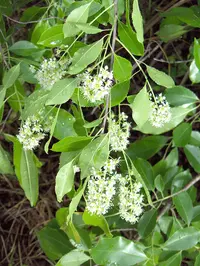
This species produces distinctive ivory to cream-colored berries, unlike the red fruits of the more familiar Gaultheria species, which makes it visually stand out in understory shrub layers.

Asian montane origins

Gaultheria leucocarpa is native to cool, moist mountain forests in parts of East and Southeast Asia, where it grows as a low shrub in acidic, humus-rich soils beneath taller trees.

Ericaceous root partnership

Like many members of the heath family, this species forms ericoid mycorrhizae, a specialized association between its fine roots and fungi that improves nutrient uptake in nutrient-poor, acidic substrates.

FAQs about Gaultheria leucocarpa

This species is typically evergreen, holding its small leathery leaves year-round in suitable climates. Foliage may thin or bronze in severe cold or drought but, under stable conditions, the plant maintains continuous leaf cover rather than dropping seasonally.

Grow Healthy Plants with Botan Care

Keep your plants happy and healthy with plant identification, disease detection, and easy care guidance.

Botan plant care app — identify plants on mobile

Explore More Plants